
How to Sell Tracks Online – Complete Guide
How to Sell Tracks Online – Complete Guide
The music industry has significantly transformed over the past decade, with the digital revolution opening up new avenues for artists to monetize their work. For producers, understanding how to sell tracks online can be a game-changer. As of 2026, the global digital music market is expected to exceed $30 billion, a testament to the growing importance of online platforms in music sales. Whether you’re an independent artist or a seasoned professional, selling your tracks online requires strategic planning, technical know-how, and a deep understanding of the market.
In this comprehensive guide, we’ll dive into the essentials of online track sales, covering everything from pricing strategies to licensing, and the best platforms for your music. We’ll also address common myths and offer expert tips to help you succeed in this competitive landscape. By the end, you’ll not only know how to sell your tracks online but also how to navigate the complex world of digital music sales effectively.
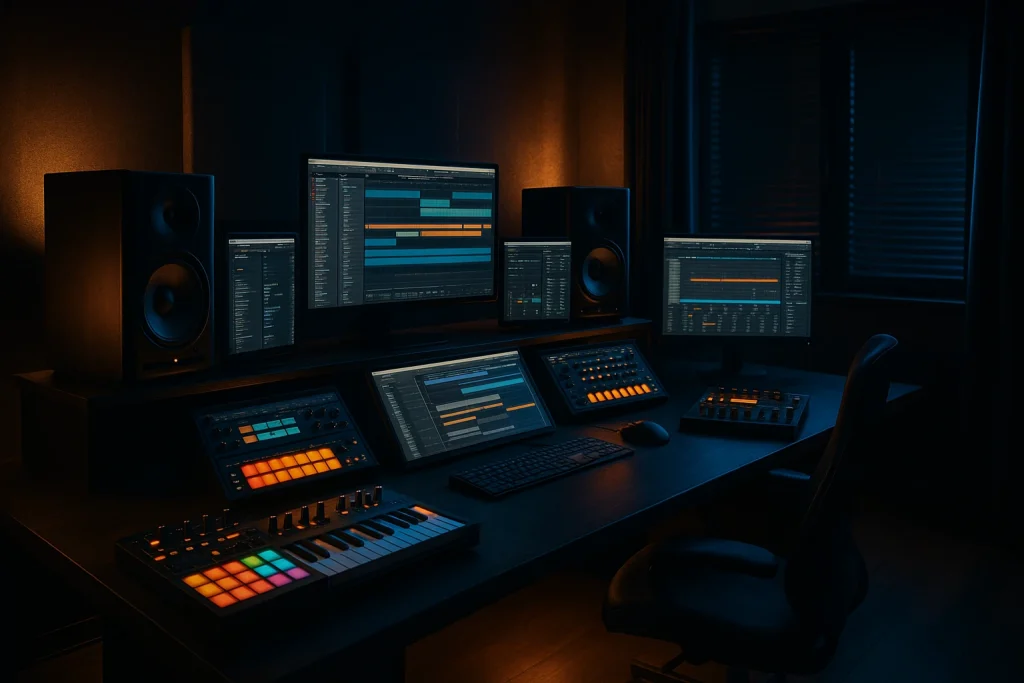
As a music producer, it’s crucial to stay informed about the latest trends and platforms shaping the industry. With platforms like Beatport and Resident Advisor leading the charge in digital distribution, there’s never been a better time to broaden your reach and increase your sales. Let’s explore the key steps and best practices for selling your tracks online.
Understanding the Digital Music Market
The digital music market is a dynamic environment characterized by constant change and innovation. According to recent data, streaming services account for approximately 80% of the music industry’s revenue, with platforms like Spotify and Apple Music leading the way. However, direct sales of tracks and albums remain a vital revenue stream for many artists, particularly in genres where DJs and producers prefer to own their music outright.
The rise of niche streaming services and platforms like SoundCloud has also provided producers with new opportunities to reach audiences directly. Understanding the dynamics of these platforms and how they can complement your sales strategy is essential for maximizing your online presence.
Choosing the Right Platforms to Sell Your Music
When it comes to selling tracks online, choosing the right platform is crucial. Each platform offers unique benefits and caters to different audiences. Here’s a comparative look at some of the most popular platforms for selling music:
| Platform | Key Features | Audience | Revenue Model |
|---|---|---|---|
| Beatport | Specializes in electronic music, extensive DJ charts | DJs, electronic music fans | Commission-based |
| SoundCloud | Direct fan interaction, customizable profiles | Independent artists, diverse music genres | Subscription-based, ad revenue |
| Spotify for Artists | Detailed analytics, playlist placement | Broad audience, all music genres | Streaming royalties |
| Apple Music for Artists | Exclusive releases, high-quality audio | Apple ecosystem users, audiophiles | Streaming royalties |
Pricing Your Music Effectively
Determining the right price for your music can be challenging. It’s important to balance affordability with the perceived value of your work. Many artists fall into the trap of underpricing their music, which can devalue their brand. On the other hand, overpricing can deter potential buyers, especially in a competitive market.
Consider using a tiered pricing model, where you offer different versions of your tracks at varying prices. For instance, you might sell a standard version of a track at one price, while offering a deluxe version with additional remixes or extended edits at a higher price. This approach not only caters to different segments of your audience but also maximizes your revenue potential.
Licensing and Copyright Considerations
Understanding licensing and copyright is crucial when selling music online. Ensuring that your tracks are properly registered and copyrighted protects your intellectual property and guarantees that you receive due compensation for your work. Organizations like ASCAP, BMI, and PRS for Music can help you manage your copyrights and collect royalties.
Additionally, consider offering different licensing options for your music. For example, you might provide an exclusive license that grants the buyer full rights to the track, or a non-exclusive license that allows you to sell the same track to multiple buyers. This flexibility can attract a wider range of clients, from individual DJs to record labels.
Promoting Your Music Online
Promotion is a critical component of selling your tracks online. Utilize social media platforms like Instagram, Twitter, and TikTok to engage with your audience and create buzz around your releases. Collaborating with influencers and leveraging user-generated content can also amplify your reach.
Another effective strategy is to build an email list of fans and potential buyers. Regular newsletters with exclusive content, early access to new releases, and special offers can keep your audience engaged and eager to support your work.
Leveraging Ghost Production Services
For producers looking to scale their output or diversify their catalog, ghost production can be an invaluable resource. Services like The Ghost Production offer professional music production services that allow you to purchase exclusive tracks or collaborate on new projects. This not only saves time but also ensures high-quality production standards.
By outsourcing certain aspects of your production, you can focus on honing your creative vision and exploring new genres and styles. For more on this, check out our guide on outsourcing music production.
Expert Tips for Success
Here are some expert tips to help you succeed in selling your tracks online:
- Stay updated with industry trends and adapt your strategy accordingly.
- Build a strong brand identity that resonates with your target audience.
- Continuously engage with your fans and foster a loyal community.
- Invest in professional mastering services to ensure your tracks meet industry standards. Learn more in our audio mastering guide.
- Explore collaborations and co-productions to expand your network and reach new audiences.
To further enhance your music career, consider investing in ghost-produced tracks. The Ghost Production offers a variety of services, including the option to buy exclusive ghost-produced tracks and learn how ghost production works.
Frequently Asked Questions
What is the best platform to sell my tracks online?
The best platform depends on your music genre and target audience. Beatport is excellent for electronic music, while SoundCloud offers a broad range of genres and direct fan interaction.
How should I price my music?
Consider a tiered pricing model that offers multiple versions of your tracks at different price points. This caters to diverse audiences and maximizes revenue.
Do I need to register my music for copyright?
Yes, registering your music with a copyright organization like ASCAP or BMI is crucial for protecting your intellectual property and ensuring you receive royalties.
How can I promote my music effectively?
Utilize social media, build an email list, and collaborate with influencers to engage your audience. Consistent communication and exclusive content can sustain interest in your work.
What are the benefits of using ghost production services?
Ghost production services allow you to scale your output, access high-quality tracks, and explore new musical styles without the time commitment of full-scale production.
Last updated:
Ready to Scale Your Music Output?
Release more music, hit more deadlines, and build a stronger catalog — with professional ghost production that sounds exactly like you.