
How to Release More Music – Scale Your Output
How to Release More Music – Scale Your Output
In the rapidly evolving music industry, the demand for fresh content is relentless. For DJs and producers, finding effective ways to increase their musical output without compromising quality is essential. This guide delves into the multifaceted approach to releasing more music, covering industry tactics, strategic outsourcing, and practical advice on scaling your output efficiently.
Statistics from the past decade highlight the increasing volume of music being released annually. In 2025 alone, over 60,000 tracks were uploaded to SoundCloud daily, showcasing the competitive landscape. Major artists like Calvin Harris and David Guetta have successfully leveraged collaborative projects and ghost production to maintain a steady stream of releases, keeping their names at the forefront of the industry.
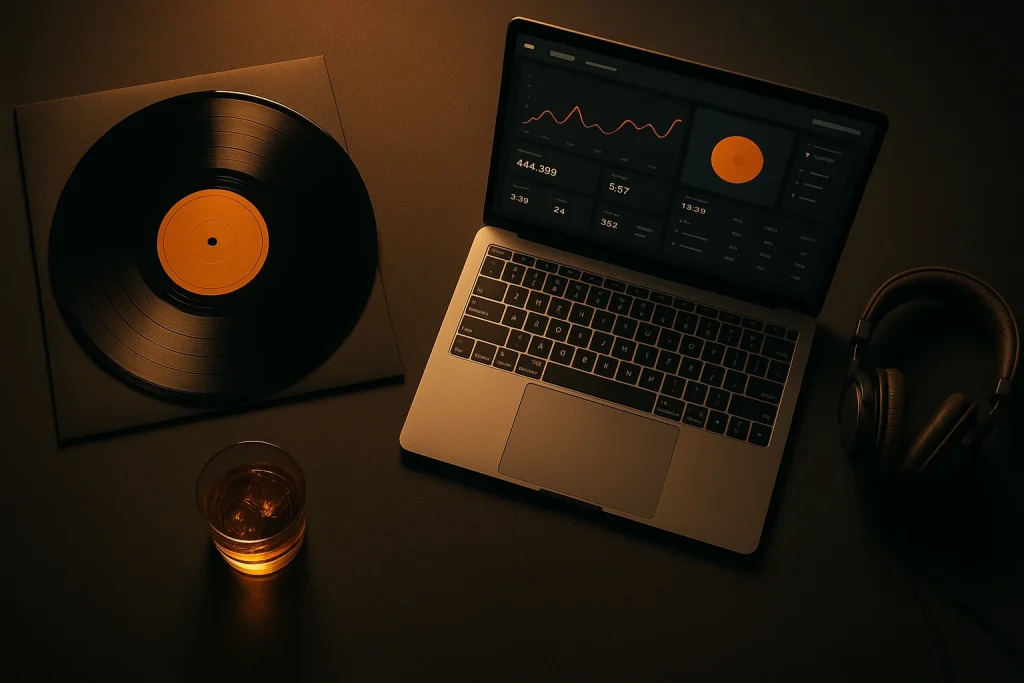
This guide explores the advantages and challenges of using ghost producers, co-production arrangements, and other outsourcing strategies to grow your musical library. By the end, you’ll have a comprehensive understanding of how to release more music effectively.
Understanding the Demand for More Music
The digital revolution has transformed how audiences consume music, with platforms like Beatport and Spotify for Artists offering unprecedented access to millions of tracks. As a result, listeners’ expectations for new content have surged, compelling artists to release music more frequently to stay relevant.
According to a DJ Mag report, regular releases are crucial for building and maintaining a fan base in today’s market. Artists who consistently release music are more likely to be discovered by new fans and playlist curators.
The Role of Ghost Production
One of the most effective ways to increase your output is through ghost production. This approach allows artists to work with professional producers to create high-quality tracks without personally handling every aspect of production. This strategy has been embraced by many top-tier artists, enabling them to focus on touring and branding while maintaining a steady release schedule.
Ghost Producer for Music Producers offers valuable insights into how producers can collaborate with ghost producers to expand their portfolios without burnout. This practice not only conserves time but also introduces fresh creative perspectives into your music.
Co-Production and Collaborations
Co-production is another strategic approach to releasing more music. By partnering with other artists, you can share the workload and combine creative strengths, resulting in a diverse array of music. The collaborative process often leads to innovative sounds and ideas, enriching your artistic output.
Notable examples of successful collaborations include Diplo and Skrillex’s Jack Ü project, demonstrating how partnerships can create groundbreaking music that resonates with audiences. For more on collaboration strategies, visit our guide on Co-Production Music.
Outsourcing Production Tasks
Outsourcing specific production tasks can significantly boost your efficiency. Tasks such as mixing, mastering, and sound design can be delegated to specialists, allowing you to focus on composition and creative direction. Platforms like Splice provide access to a community of skilled professionals ready to assist with various production needs.
Benefits of Outsourcing
- Time Efficiency: Free up your schedule to focus on more creative aspects.
- Quality Assurance: Professionals handle specialized tasks, ensuring high-quality results.
- Creative Diversity: Gain new insights and approaches from external collaborators.
For more detailed strategies on outsourcing and scaling your music production, consider our resource on Outsource Music Production.
Leveraging Technology and Tools
Advancements in music technology have made it easier than ever to scale your output. Digital audio workstations (DAWs) and plugins offer powerful capabilities that can streamline your workflow. For instance, AI-powered tools can assist with tasks like vocal tuning and beat matching, reducing the time required for post-production.
Popular Tools for Music Production
| Tool | Primary Function | Notable Features |
|---|---|---|
| Splice | Sample Library | Vast library of samples and loops |
| Ableton Live | DAW | Real-time audio manipulation |
| Ozone | Mastering | AI-powered mastering assistant |
For an in-depth look at optimizing your workflow with technology, our Sound Design Workflow guide offers practical tips.
Building a Sustainable Release Strategy
Developing a sustainable release strategy is crucial for maintaining momentum. This involves planning releases around key industry events, aligning them with promotional campaigns, and leveraging social media to maximize impact. Artists should also consider the timing of their releases to avoid market saturation.
Our guide on How to Get Signed as a Producer provides additional insights into creating a strategic release plan that aligns with industry trends.
Authoritative Resources at Your Disposal
As you endeavor to release more music, utilizing resources like The Ghost Production can be invaluable. Their platform offers a suite of services tailored to help artists increase their output efficiently, from ghost production to custom track creation. Whether you’re looking to hire a ghost producer or buy exclusive tracks, they provide reliable options to support your journey.
Frequently Asked Questions
What is ghost production?
Ghost production involves hiring a professional producer to create music for you, which you can then release under your own name. This practice is common in the industry, allowing artists to maintain a consistent output without handling all production tasks personally.
How can I find reliable collaborators for co-production?
Networking within music communities, attending industry events, and connecting through platforms like Splice can help you find potential collaborators. It’s crucial to establish clear communication and shared goals when working together.
Is outsourcing production tasks cost-effective?
While outsourcing comes with costs, it can be a worthwhile investment if it allows you to produce higher-quality music more efficiently. Consider your budget and the potential return on investment from increased releases and exposure.
How do I manage the quality of outsourced work?
Choosing reputable professionals with proven track records is key to ensuring quality. Providing detailed briefs and maintaining open communication throughout the project can also help align expectations and outcomes.
Can I use technology to automate parts of my production process?
Yes, many tools and plugins are designed to automate repetitive tasks, such as vocal tuning and beat matching, allowing you to focus on creativity and composition. Explore options like AI-powered plugins to enhance your workflow.
Last updated:
Ready to Scale Your Music Output?
Release more music, hit more deadlines, and build a stronger catalog — with professional ghost production that sounds exactly like you.