
How to Mix Music – Complete Mixing Guide
How to Mix Music – Complete Mixing Guide
Learning how to mix music is an essential skill for producers aiming to create professional, polished tracks. The process involves a delicate balance of artistic and technical decisions that shape the final sound of a track. In this comprehensive guide, we’ll delve into key aspects of mixing including gain staging, EQ, compression, bus processing, and more.
Whether you’re working from a high-end studio or a home setup, understanding the intricacies of mixing will empower you to transform your raw recordings into tracks ready for release on platforms like SoundCloud or Beatport. This guide will also cover common pitfalls to avoid and provide strategies employed by industry-leading engineers.
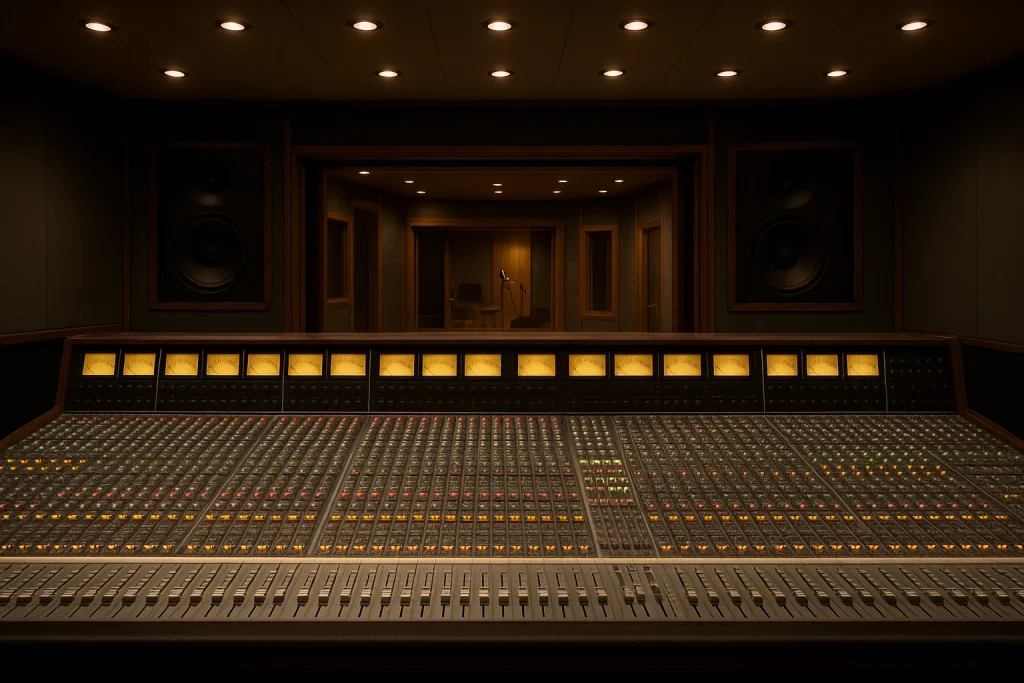
Understanding Gain Staging
Gain staging is the backbone of any mix. It involves setting the correct levels for each element in your signal chain to ensure optimal headroom and prevent distortion. Begin by setting your input levels so that your audio peaks around -12dB to -6dB. This leaves plenty of headroom for further processing and avoids clipping, which can degrade the sound quality.
During the mixing process, use your DAW’s metering tools to monitor gain levels at each stage. For a more in-depth understanding, check out our mixing vs mastering guide to see how this fits into the overall production process.
The Role of EQ: Corrective Versus Creative
EQ, or equalization, is a powerful tool that can be used both creatively and correctively. Corrective EQ is about fixing issues such as removing unwanted frequencies or reducing muddiness. For example, cutting frequencies around 200-500Hz can help reduce muddiness in vocals or guitars.
Creative EQ, on the other hand, is about enhancing certain elements to shape the sound’s character. Boosting the high frequencies on a vocal track can add air and presence, making it stand out in the mix. For further insights, explore MusicRadar for tips on using EQ effectively.
Parallel Compression Explained
Parallel compression, also known as New York compression, is a technique used to add depth and punch to a mix without sacrificing dynamics. This involves blending a heavily compressed version of a track with the original signal. It helps retain the transients while adding body and sustain.
To achieve this, set up an auxiliary send from the track you wish to compress and apply heavy compression on the aux track. Blend it back with the original track until you achieve the desired balance. For those new to production, our music production basics guide covers foundational concepts.
Bus Processing Strategies
Bus processing involves applying effects to a group of tracks or buses, allowing for cohesive sound shaping. Grammy-winning engineers often use bus processing for drums, vocals, or instrument groups. This can include EQ, compression, and saturation.
Using a limiter on your drum bus can glue the drums together, creating a punchy, unified sound. Similarly, applying a stereo widener to a vocal bus can enhance the perceived space, giving the mix a more expansive feel. For more advanced techniques, Resident Advisor offers in-depth articles on bus processing strategies.
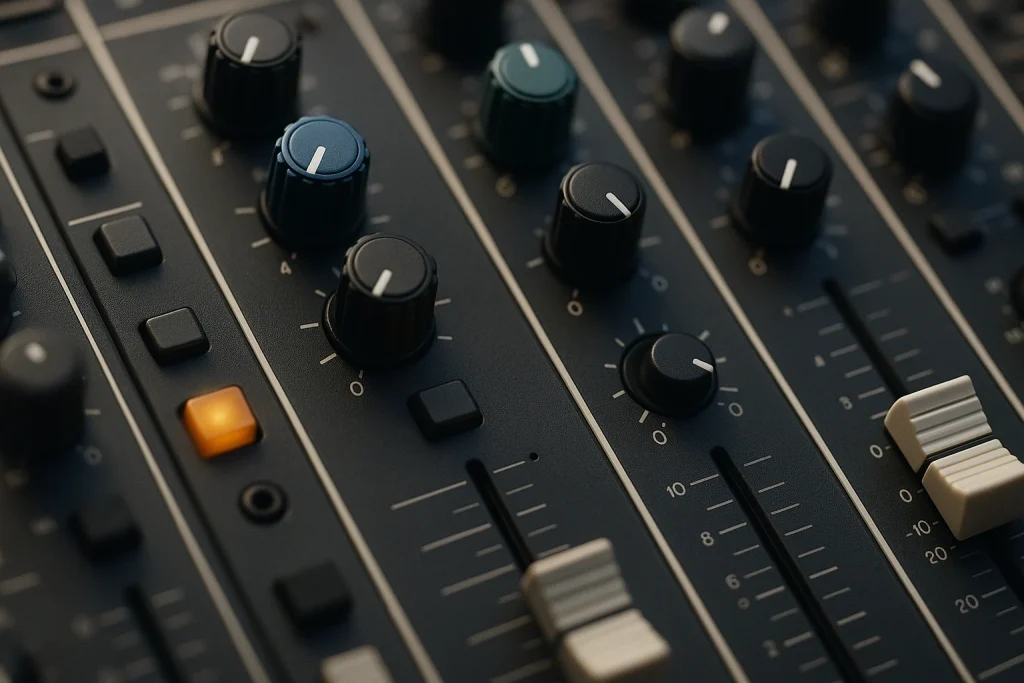
Addressing Home Studio Acoustic Treatment and Frequency Masking
One of the most common challenges in home studios is poor acoustic treatment, which can lead to frequency masking. This occurs when one sound overshadows another, making it difficult to hear certain elements clearly. Acoustic treatment can include bass traps, diffusers, and absorption panels to minimize reflections and standing waves.
By addressing acoustic issues, you can make more accurate EQ decisions and reduce the likelihood of frequency masking. If you’re interested in optimizing your home studio, our article on how to release more music includes tips on creating an efficient production environment.
Mixing for Streaming Platforms
As streaming services like Spotify for Artists and Apple Music for Artists dominate the music landscape, understanding how to mix for these platforms is crucial. Avoid over-limiting your tracks, as this can cause distortion and reduce dynamic range, which streaming platforms may penalize.
Each platform has its own loudness standards, typically around -14 LUFS (Loudness Units relative to Full Scale). Mixing to these standards ensures your track sounds consistent across devices and platforms. For further guidance on preparing your music for streaming, consider our beginner’s guide to music production.
Common Mistakes That Make Mixes Sound Amateur
Even experienced producers can fall into traps that lead to amateur-sounding mixes. Common mistakes include over-processing, insufficient headroom, and poor balancing of elements. Overuse of effects like reverb or delay can muddy a mix, while neglecting to balance levels can result in a track that lacks cohesion.
Another frequent error is excessive low-end frequencies, which can cause muddiness and reduce clarity. A reference track method can be invaluable; by comparing your mix to professionally produced tracks, you can identify areas for improvement. For more tips on avoiding these pitfalls, visit our page on how to get signed as a producer.
Using Reference Tracks Effectively
Reference tracks are professionally mixed songs that you use as a benchmark for your own mixes. They help you calibrate your ears to industry standards and provide a target to aim for. Select reference tracks in the same genre as your project and analyze their frequency balance, stereo width, and dynamics.
For instance, if you’re producing a house track, referencing a track like “Sky and Sand” by Paul Kalkbrenner can provide insights into the balance and energy distribution of a successful mix. Learn more about this technique in our DJ mixing basics article.
Scaling Your Music Production Output
As you hone your mixing skills, you might find yourself ready to increase your production output. Collaborating with a ghost producer can help you scale your operations without burning out. Outsourcing some of your production tasks allows you to focus on mixing and mastering, ensuring each track is polished to perfection.
For those looking to expand their offerings, The Ghost Production provides services such as music production services and exclusive ghost-produced tracks to meet diverse production needs.
Frequently Asked Questions
What is the most important part of mixing music?
Ensuring proper gain staging and maintaining headroom throughout the process is crucial. It prevents distortion and provides a clean slate for further processing.
Why is reference tracking important in mixing?
Reference tracks provide a benchmark for your mixes, helping you align your work with industry standards in terms of frequency balance, dynamics, and stereo imaging.
Can I mix professionally in a home studio?
Yes, with proper acoustic treatment and monitoring, you can achieve professional-quality mixes in a home studio. Minimizing frequency masking and using reference tracks can enhance your results.
How do I avoid over-limiting my track for streaming?
Mix your track to around -14 LUFS and maintain dynamic range to avoid distortion and ensure your music adheres to streaming platform standards.
What are some common mistakes to avoid in mixing?
Over-processing, poor level balancing, and excessive low-end frequencies are common mistakes. Using reference tracks and maintaining headroom can help you avoid these pitfalls.
Last updated:
Ready to Scale Your Music Output?
Release more music, hit more deadlines, and build a stronger catalog — with professional ghost production that sounds exactly like you.