
How to Make Melodic House
How to Make Melodic House
Understanding how to make melodic house involves a journey through the rich history of house music, a genre that has been evolving since its inception in the early 1980s. From its roots in Chicago, thanks to pioneers like Frankie Knuckles, Larry Heard, and Ron Hardy at The Warehouse, house music has branched into numerous sub-genres, each with its unique characteristics.
Melodic house, a subgenre characterized by emotive melodies and intricate harmonies, merges elements from deep house, tech house, and progressive house. This guide will delve into the key production techniques, historical context, and current trends that define melodic house today. We’ll explore the fundamental components of the genre, including the iconic four-on-the-floor beat, off-beat hi-hats, and soulful chord progressions.
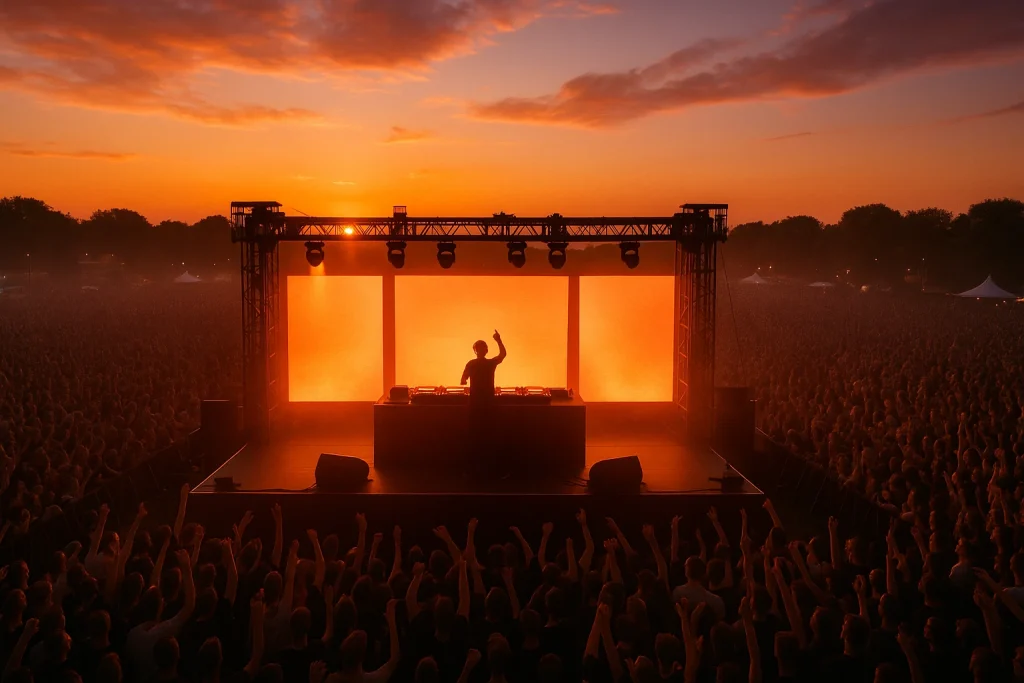
Notably, record labels like Defected Records have played a crucial role in altering the business model of house music, enabling a broader reach and influence. Today’s market leaders such as Fisher, Chris Lake, and Fred again.. are blending organic and electronic elements to push the genre’s boundaries. Let’s dive into the essentials of creating captivating melodic house tracks.
House Music: From Chicago Roots to Melodic House
House music’s journey began in the vibrant nightlife of Chicago in the 1980s. Pioneering DJs like Frankie Knuckles were instrumental in shaping the sound at iconic venues like The Warehouse. This period marked the birth of a genre that blended disco, soul, and electronic beats, laying the groundwork for future sub-genres.
As house music evolved, it diversified into styles such as deep house, tech house, and afro house. Each brought new elements to the mix, from the soulful and jazz-infused vibes of deep house to the percussive and rhythmic focus of afro house. Melodic house arose from this melting pot, characterized by its focus on melody and atmosphere, often incorporating lush synths and emotive progressions.
Evolution of Sub-genres
The progression to melodic house was natural, as producers sought to combine the driving beats of house with the melodic and harmonic richness of progressive house. This fusion has led to a sound that captivates both dancefloors and listening audiences. In the modern landscape, artists like Resident Advisor and platforms such as Beatport play pivotal roles in promoting and distributing this evolving genre.
Fundamental Production Techniques
To understand how to make melodic house, one must master several foundational production techniques. These include the iconic four-on-the-floor beat, off-beat hi-hats, and soulful chord progressions.
Rhythmic Structure: The Four-on-the-Floor Beat
The four-on-the-floor rhythm is a defining characteristic of house music. It’s a steady, unrelenting beat where the bass drum hits on every quarter note. This provides a consistent groove for dancers and is a staple in melodic house production. To enhance this foundation, layering percussive elements like claps and snares is crucial.
Melodic and Harmonic Elements
Melodic house thrives on emotive melodies and complex chord progressions. Utilizing lush synth pads and leads that evoke emotion is essential. Chord progressions often follow a soulful pattern, drawing from jazz and classical influences. Tools like Splice offer invaluable resources for finding and creating these sounds.

Impact of Defected Records
Defected Records has significantly influenced how house music, including melodic house, is marketed and consumed. By focusing on artist development and high-quality releases, Defected has set a standard in the industry. Their approach has shown that embracing digital platforms and maintaining a strong artist-label relationship can lead to widespread success.
Business Model Innovation
Defected’s business model revolves around a combination of traditional and modern marketing strategies. They have capitalized on digital distribution channels and social media, using platforms like SoundCloud and Spotify for Artists to reach global audiences effectively.
Current Market Leaders and Trends
In recent years, artists like Fisher, Chris Lake, and Fred again.. have dominated the melodic house scene. Their ability to blend organic instrumentation with electronic elements has set them apart. These artists are breaking new ground by incorporating live instruments and vocal samples into their productions, creating a rich tapestry of sound.
Innovative Production Techniques
Producers today are experimenting with hybrid production setups, integrating analog gear with digital DAWs to achieve unique textures and warmth in their tracks. This approach not only appeals to traditional house music enthusiasts but also attracts fans of modern electronic music.
Essential Tools and Resources for Melodic House Production
Successfully producing melodic house requires a keen ear and the right tools. Here’s a comparison of some essential software and hardware options you might consider:
| Tool/Software | Function | Recommended For |
|---|---|---|
| Ableton Live | DAW for sequencing and arranging | Producers seeking a versatile workflow |
| Native Instruments Massive | Synth for creating lush sounds | Sound designers focusing on melodic elements |
| Focusrite Scarlett Interface | Audio interface for recording and playback | Home studio setups |
Choosing the right tools can significantly impact your production quality. Consider your workflow preferences and the specific sounds you aim to create. For more detailed comparisons, MusicRadar offers in-depth reviews.
Leveraging The Ghost Production for Your Melodic House Tracks
For those looking to expand their catalog and reach without burning out, The Ghost Production offers services that can help you maintain consistency in releases. Whether you’re interested in hiring a ghost producer for collaboration or outsourcing track production, these services can be a strategic asset.
Additionally, purchasing exclusive ghost-produced tracks can be a great way to diversify your offerings without the time investment typically required for original production. This approach is particularly beneficial for artists aiming to release more music and maintain a robust presence in the competitive melodic house scene.
Frequently Asked Questions
What makes melodic house different from other house sub-genres?
Melodic house is distinguished by its emphasis on emotive melodies and complex harmonies, often incorporating lush synths and atmospheric elements, setting it apart from the bass-heavy tech house or the soulful deep house.
How important are chord progressions in melodic house?
Chord progressions are crucial in melodic house as they form the emotional backbone of the track, often drawing from jazz and classical influences to create a rich, soulful sound.
What role do labels like Defected Records play in house music?
Labels like Defected Records have revolutionized the way house music is marketed and consumed, focusing on artist development and leveraging digital platforms for global reach and influence.
How can one stay competitive in the melodic house scene?
Staying competitive involves constantly innovating your sound, utilizing both organic and electronic elements, and possibly collaborating with ghost producers to expand your repertoire seamlessly.
What tools are recommended for producing melodic house?
Essential tools include a robust DAW like Ableton Live, powerful synths such as Native Instruments Massive, and quality audio interfaces like Focusrite Scarlett for optimal sound production.
Last updated:
Ready to Scale Your Music Output?
Release more music, hit more deadlines, and build a stronger catalog — with professional ghost production that sounds exactly like you.