
How to Make EDM
How to Make EDM: A Comprehensive Guide for Producers
The world of electronic dance music (EDM) has exploded in the past decade, evolving from underground raves to mainstream radio hits and festival anthems. As a producer, understanding how to make EDM involves mastering both the creative and technical aspects of music production. This guide aims to equip you with the knowledge and insights needed to craft tracks that stand out in the competitive EDM landscape of 2026.
EDM is not just a genre; it’s a fusion of various styles including house, techno, trance, and dubstep. Artists like Calvin Harris, Martin Garrix, and The Chainsmokers have set benchmarks with their innovative sounds and chart-topping hits. In 2026, the EDM scene is more vibrant than ever, with sub-genres continually emerging and evolving. By exploring these styles and understanding their unique structures, you can begin to craft your own distinctive sound.
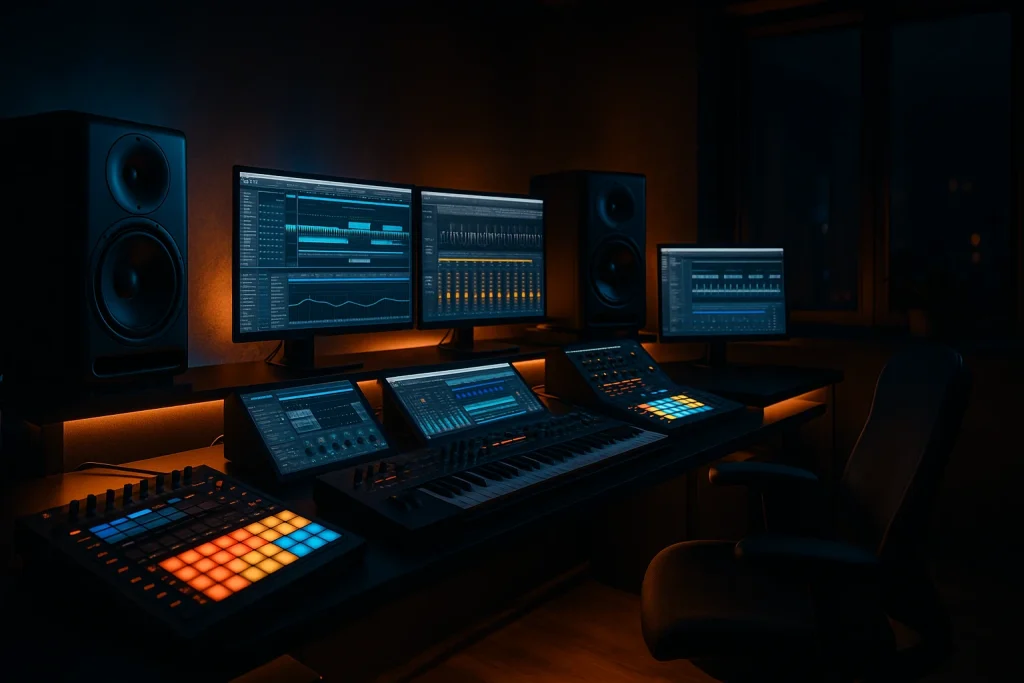
Understanding EDM Song Structure
The structure of an EDM track is crucial to its energy and flow. Unlike traditional pop or rock songs, EDM tracks are built to keep dance floors moving and audiences engaged. Most EDM tracks follow a similar format: intro, build-up, drop, breakdown, and outro. The drop is particularly vital, often serving as the track’s climactic moment that captivates listeners and defines the track’s identity.
The intro sets the stage and builds anticipation. As the track progresses, the build-up increases tension, leading to the drop where the bassline and main melody hit with full force. Understanding this flow is essential for creating tracks that resonate with both DJs and audiences. For a deeper dive into song structure, see our DJ Phrasing Explained guide.
Key Production Techniques in EDM
Producing EDM involves a blend of creativity and technical skill. Key elements to focus on include sound design, arrangement, mixing, and mastering. Sound design is where you create unique synth sounds and samples that form the foundation of your track. Using tools like Massive, Serum, and Sylenth1, you can sculpt sounds that are both original and impactful.
Arranging your track involves organizing these sounds into a coherent structure, ensuring the energy ebbs and flows effectively. Mixing and mastering are critical to achieving a polished sound. For tips on these processes, check out our guides on EQ for Music Production and What Is Mastering?.
Tools and Software for EDM Production
Choosing the right digital audio workstation (DAW) is vital for EDM production. Popular choices in 2026 include Ableton Live, FL Studio, and Logic Pro X. Each DAW offers unique features and strengths suited to different workflows. Ableton Live is favored for its live performance capabilities and intuitive interface, while FL Studio is known for its user-friendly layout and powerful step sequencer.
In terms of plugins, Splice offers a vast library of samples and presets that can enhance your production. For more on essential plugins, see our article on Essential Music Production Plugins.
Creating the Perfect Drop
The drop is arguably the most critical part of an EDM track. It’s where the beat and melody unite to create an explosive, memorable moment. Crafting a compelling drop requires balancing energy and musicality. Start with a strong foundation by layering kick drums and basslines that complement each other. Add tension with risers and effects, and ensure your lead melody is catchy and impactful.
To further refine your drop, consider collaborating with professionals. Music Production Collaboration can bring fresh perspectives and skills to your track, potentially elevating it to new heights.
Notable EDM Artists and Their Impact
Understanding the influence of leading EDM artists can provide inspiration and insight into successful production techniques. Artists like Avicii, whose track “Levels” became a global sensation, set standards with their innovative approach to melody and harmony. More recently, artists like Fisher and CamelPhat have redefined house music with their distinctive styles.
Exploring the discographies of these artists on platforms like Beatport and Resident Advisor can offer valuable lessons in track progression, mixing, and mastering techniques.
Myths vs. Realities in EDM Production
One common myth in EDM production is that you need expensive equipment to create quality tracks. In reality, many top producers started with minimal setups, focusing instead on mastering their DAW and plugins. Another misconception is that achieving success is purely about talent. While talent is essential, networking and marketing play significant roles in a producer’s career.
Understanding the business side of music production, such as how to get signed as a producer and the importance of building a brand, can significantly impact your success in the industry.
Scaling Your EDM Production
As you progress in your EDM production journey, scaling your output becomes crucial. Outsourcing can be a strategic move to enhance productivity and creativity. Platforms like The Ghost Production offer services to help you meet demand without compromising on quality.
For producers looking to increase their output, consider exploring options to outsource music production or buy exclusive tracks from professional ghost producers. This approach can free up time for creative exploration while ensuring you maintain a steady release schedule.

Frequently Asked Questions
What is the best DAW for EDM production?
The choice of DAW depends on your personal workflow and preferences. Ableton Live, FL Studio, and Logic Pro X are all excellent choices for EDM production in 2026, each offering unique features that cater to different production styles.
How important is sound design in EDM?
Sound design is crucial in EDM as it defines your track’s identity and sets it apart from others. Using tools like Serum and Massive can help you create unique and memorable sounds.
Do I need expensive equipment to produce EDM?
Not necessarily. Many successful producers have started with basic setups. Focus on learning your DAW and utilizing software plugins effectively to create professional-quality tracks.
How can I improve my track’s drop?
To enhance your drop, focus on energy flow and tension. Use risers, effects, and a strong bassline to create impact. Collaborating with other producers can also bring fresh ideas to your drop.
Where can I find quality samples and presets for EDM?
Platforms like Splice offer a vast library of samples and presets that can be invaluable resources for EDM production.
Last updated:
Ready to Scale Your Music Output?
Release more music, hit more deadlines, and build a stronger catalog — with professional ghost production that sounds exactly like you.