
How to Layer Sounds in Music Production
How to Layer Sounds in Music Production
Layering sounds in music production is a technique that can transform a track from flat and lifeless to rich and full-bodied. Whether you are a burgeoning DJ, a seasoned producer, or an industry veteran, understanding how to layer sounds effectively is crucial to creating tracks that captivate your audience. In this guide, we will delve into the technicalities of layering, explore its historical context, and provide actionable advice with real-world examples from notable artists.
Layering involves stacking multiple sounds to create a more complex and textured sound. This technique is widely used in genres ranging from electronic dance music to hip hop and beyond. By layering, producers can enhance the depth, dynamics, and emotional impact of their music. In fact, layering is often compared to painting, where each sound is a brushstroke contributing to the overall masterpiece.
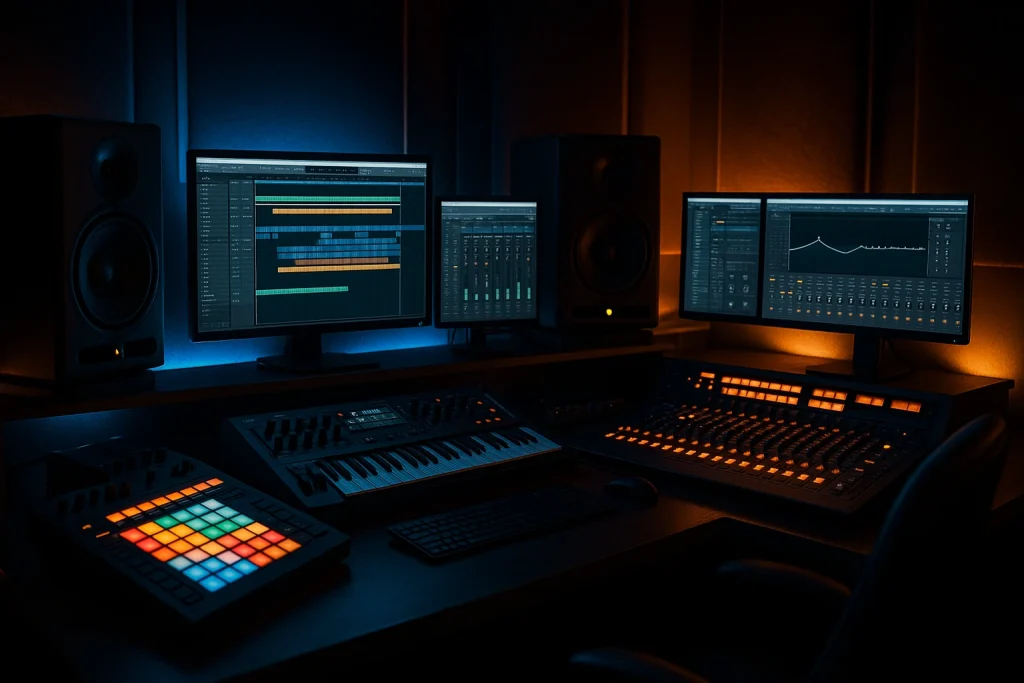
This guide will break down the process of layering sounds, including how to layer drums, synths, and basses effectively. We will also dispel common myths, highlight industry best practices, and offer tips from some of today’s top producers. Moreover, as music production continues to evolve, platforms like Splice and SoundCloud provide invaluable resources for accessing and sharing layered sounds.
The Art of Layering: Historical and Technical Overview
The concept of layering sounds is not new; it dates back to the early days of recording studios where engineers would manually overlay tracks to achieve a fuller sound. With the advent of digital audio workstations (DAWs) in the 1990s, layering became more accessible, allowing producers to experiment with complex textures and harmonies at a lower cost.
Layering involves several elements: frequency, timing, and dynamics. Producers must ensure that each layer occupies a specific frequency range to avoid muddiness. Moreover, precise timing and attention to dynamics ensure that layers complement rather than clash with each other.
Layering Drums: Creating Impactful Rhythms
Drums are the backbone of most tracks, and layering them can significantly impact a song’s energy. To effectively layer drums, start by selecting different drum samples that complement each other in tone and timbre. For example, a punchy kick can be layered with a softer, longer tail to add depth.
Using EQ to carve out space for each drum layer is essential. A common technique is to boost the low frequencies of one kick drum while cutting the same frequencies in another. This approach ensures that each layer has its own space within the mix.
Layering Synths: Building Rich Harmonic Textures
Synths provide the harmonic foundation of a track, and layering them can create lush soundscapes. When layering synths, consider using contrasting sounds, such as a bright, plucky synth alongside a warm, pad-like synth. This combination can create a sense of movement and depth.
Producers often use automation to introduce variation in layered synths, adding complexity to the arrangement. Sidechain compression can also be used to ensure that layered synths do not overpower other elements in the mix. For additional techniques on building soundscapes, check out our guide on building drops.
Layering Basses: Achieving a Solid Foundation
Bass layering is critical for creating a solid foundation in any track. It is common to layer a sub-bass with a mid-range bass to achieve both depth and presence. The sub-bass provides the low-end power, while the mid-range bass adds definition and character.
When layering basses, phase alignment is crucial to prevent phase cancellation. Use tools like phase meters to ensure that your bass layers are in phase, thereby maintaining the track’s low-end punch.
Common Myths About Layering Sounds
One common myth is that more layers always result in a better sound. In reality, excessive layering can lead to a cluttered mix, making it difficult to discern individual elements. It is essential to be strategic with layering, focusing on quality over quantity.
Another misconception is that layering is a one-size-fits-all technique. Different genres and tracks require different approaches to layering. For example, a minimal techno track may benefit from fewer layers compared to a complex progressive house production. For more on this genre, see our progressive house production guide.
Expert Tips for Effective Layering in Music Production
Some of today’s top producers, like Flume and Kaytranada, are known for their sophisticated layering techniques. Here are a few tips from the pros:
- Be selective with samples: Choose samples that complement each other rather than compete. Quality samples are the foundation of effective layering.
- Use reference tracks: Analyze tracks from artists you admire to understand their layering techniques. Our guide on using reference tracks can help.
- Experiment with effects: Applying different effects to each layer can add dimensionality and interest. For instance, adding reverb to a snare can create a sense of space, while distortion can add grit to a bass layer.
Layering in Practice: A Statistical Look
According to a 2025 survey by MusicRadar, 78% of professional producers reported that layering sounds significantly improved their track quality. Furthermore, tracks with effective layering techniques are more likely to chart on platforms like Beatport. This highlights the importance of mastering this technique in contemporary music production.
| Layering Element | Benefit | Example Use |
|---|---|---|
| Drums | Enhanced impact and rhythm | Kick with a snappy snare |
| Synths | Rich harmonic textures | Bright lead with warm pad |
| Basses | Solid low-end foundation | Sub-bass with mid-range bass |
Resourceful Layering: Tools and Platforms
In 2026, producers have access to a plethora of tools and platforms that facilitate sound layering. DAWs like Ableton Live and FL Studio offer robust features for layering, including advanced automation and sidechaining capabilities. Moreover, platforms like Resident Advisor provide insights into the latest industry trends and techniques.
For those looking to enhance their tracks with professionally layered sounds, The Ghost Production offers services to hire a ghost producer or buy exclusive ghost-produced tracks. These services ensure high-quality production from seasoned professionals.
Frequently Asked Questions
Why is layering important in music production?
Layering adds depth, texture, and complexity to music, making it more engaging and polished. It allows producers to create a fuller sound and helps different elements of a track to stand out.
How can I avoid muddiness when layering sounds?
Use EQ to carve out space for each layer, ensuring that they occupy distinct frequency ranges. Additionally, phase alignment and careful selection of complementary sounds can prevent muddiness.
What tools are recommended for layering sounds?
DAWs like Ableton Live, FL Studio, and Logic Pro offer comprehensive layering features. Plugins for EQ, compression, and effects are also essential tools for effective layering.
Can layering be applied to all genres of music?
Yes, layering is a versatile technique that can enhance virtually any genre, from electronic dance music to rock and pop. However, the approach may vary depending on the genre’s characteristics.
Where can I learn more about advanced layering techniques?
Platforms like Mixmag and Spotify for Artists offer valuable insights and tutorials on advanced layering techniques. Additionally, collaborating with experienced producers can provide hands-on learning opportunities.
Last updated:
Ready to Scale Your Music Output?
Release more music, hit more deadlines, and build a stronger catalog — with professional ghost production that sounds exactly like you.