
How to Get Signed as a Producer – Tracks & Strategy
How to Get Signed as a Producer – Tracks & Strategy
Breaking into the music industry as a producer is often viewed as an elusive dream. However, understanding how to get signed as a producer is more about strategy than serendipity. It’s about assembling release-ready tracks, maintaining consistency, and knowing where to submit your music. This guide delves into the essentials of getting signed, offering real-world statistics, industry examples, and actionable advice to help you navigate the labyrinth of the music industry.
Back in 2018, a study by the International Federation of the Phonographic Industry (IFPI) revealed that only 10% of unsigned producers believed they had the knowledge needed to succeed in the industry. Fast forward to 2026, and the landscape has become even more competitive with the rise of digital platforms and social media. Yet, the key elements of getting signed remain the same: high-quality music, a strong brand, and smart networking.
In this article, we’ll explore the technical and strategic aspects of music production that can significantly increase your chances of being signed by a record label. We’ll also dispel common myths and provide expert tips to fine-tune your approach.
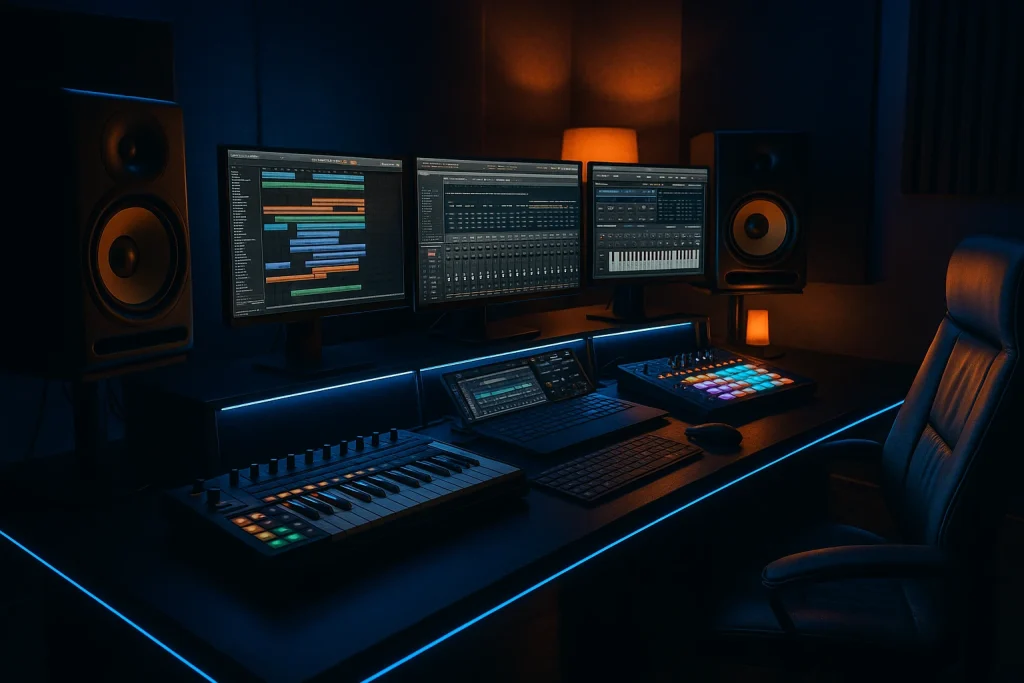
Creating Release-Ready Tracks
Your music is your calling card. To capture the attention of record labels, your tracks must be polished and professional. This involves not only mastering the technical aspects of production but also understanding what makes a track commercially viable.
Understanding Commercial Viability
Being commercially viable doesn’t mean compromising your artistic vision. Instead, it means creating music that speaks to a broader audience while maintaining your unique sound. Analyzing trends on platforms like Beatport can offer insights into what’s currently resonating with listeners.
Technical Excellence
The technical quality of your music can’t be overstated. Ensure your tracks are mixed and mastered to a professional standard. Mixing vocals in electronic dance music is a crucial skill, as highlighted in our complete guide to mixing vocals in EDM. Emphasizing clarity and balance in your tracks will make them more appealing to A&R executives.
Building a Consistent Brand
Your brand is how the world perceives you as an artist. It’s not just about your music; it’s about your image, your presence on social media, and your engagement with fans. Consistency in branding can help you stand out in a crowded market.
Social Media Presence
Platforms like SoundCloud and Instagram are invaluable for building an audience. Regularly releasing content and engaging with your followers can create a loyal fanbase. Refer to our guide on music producer branding for more insights.
Network Strategically
Networking is a vital component of growing your brand. Attend industry events, collaborate with other artists, and utilize platforms like Resident Advisor to stay informed about the latest industry happenings. Building relationships can lead to opportunities that wouldn’t be available otherwise.
Where to Submit Your Music
Knowing where to submit your music is just as important as the music itself. Different labels have different sounds and target audiences, so research is crucial.
Researching Record Labels
Identify labels that align with your sound and research their submission process. Our guide on where to submit demos can help you find the right labels and understand their requirements.
Utilizing Demo Submission Platforms
Platforms like SubmitHub and LabelRadar streamline the demo submission process, allowing you to reach multiple labels with ease. However, personalizing your submissions and following up with labels can increase your chances of getting noticed.
Understanding the Role of A&R
A&R (Artists and Repertoire) representatives are the gatekeepers to record labels. They scout for talent and are instrumental in signing new artists. Understanding what they look for can help you tailor your approach.
| Aspect | Importance to A&R | How to Demonstrate |
|---|---|---|
| Originality | High | Unique sound and style |
| Commercial Potential | Medium to High | Tracks that align with current trends |
| Technical Quality | High | Professional mixing and mastering |
| Online Presence | Medium | Active social media and streaming platforms |
Check out our guide to A&R-ready tracks for more detailed insights.
Myths vs. Realities of Getting Signed
There are numerous misconceptions about what it takes to get signed. It’s important to separate fact from fiction to avoid wasting time on ineffective strategies.
Myth: You Need a Massive Following
While having a large audience can be beneficial, it’s not a prerequisite for getting signed. Labels are more interested in your potential to grow and the quality of your music. Focus on building a dedicated fanbase and producing excellent music.
Reality: Persistence is Key
Success rarely comes overnight. Consistently producing quality tracks and refining your craft is essential. Consider outsourcing some production tasks to professionals if you’re struggling with consistency. Our article on outsourcing music production can offer guidance.
Expert Tips for Aspiring Producers
To maximize your chances of being signed, consider these expert tips:
- Stay Updated: Follow industry news on sites like DJ Mag to stay informed about trends and shifts in the industry.
- Continuous Learning: Platforms like Splice offer tutorials and resources to improve your technical skills.
- Leverage Ghost Production: If you’re looking to scale your output, ghost production services can help maintain quality while increasing quantity. Explore how ghost producers can assist you in collaborative and outsourcing opportunities.
By following these tips and utilizing resources like scaling your music release strategies, you can enhance your chances of getting signed.
Frequently Asked Questions
What are the first steps to take to get signed as a producer?
The first steps include creating high-quality, release-ready tracks, building a consistent brand, and understanding where to submit your music. Networking and staying informed about industry trends are also crucial.
How important is social media for producers?
Social media is essential for building an audience and networking. Regular engagement with followers and showcasing your music and personality can significantly boost your visibility.
Can I get signed without a large following?
Yes, a large following is not mandatory. Labels prioritize the quality of your music and its commercial potential. Having a dedicated fanbase and a strong online presence is advantageous, though.
Do I need to invest in professional mixing and mastering?
Yes, professional mixing and mastering are crucial for making your tracks stand out. High-quality production demonstrates your commitment to excellence and attracts A&R interest.
Is ghost production a viable option for getting signed?
Ghost production can be a viable option if it helps you maintain consistency and quality in your releases. It allows you to focus on creative aspects while ensuring a steady output of professional tracks.
Last updated:
Ready to Scale Your Music Output?
Release more music, hit more deadlines, and build a stronger catalog — with professional ghost production that sounds exactly like you.