
Find Producers for Label – A&R & Catalog
Find Producers for Label – A&R & Catalog
In the dynamic world of electronic music, finding the right producers for your label is paramount to maintaining a competitive edge. Whether you are part of a major label or an independent one, the process of scouting and signing artists has evolved significantly over the years. In 2026, electronic music encompasses a diverse range of genres and styles, and the task of curating a successful label catalog requires strategic insight into industry trends, artist relations, and music production.
Major labels such as Sony, Warner, and Universal continue to dominate, but their relationship with electronic music is nuanced through subsidiaries like Ministry of Sound, Armada Music, and Spinnin’ Records. These subsidiaries specialize in various electronic music genres, offering artists a platform to reach a global audience. Understanding how these major players contrast with independent labels, as well as the mechanics of record deals and talent scouting, is crucial for any label aiming to thrive in today’s music landscape.
Understanding the Music Label Landscape
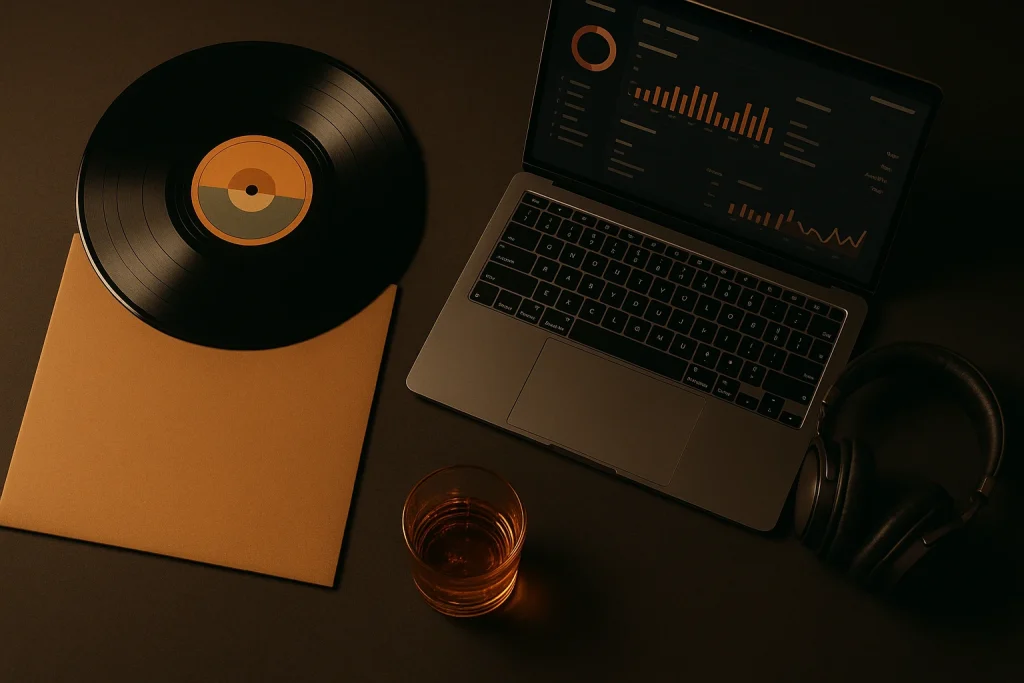
The electronic music scene is a complex ecosystem where major and independent labels coexist, each with its unique advantages and challenges. Major labels like Sony, Warner, and Universal leverage immense resources and global distribution networks. Their electronic music subsidiaries, such as Ministry of Sound, Armada Music, and Spinnin’ Records, have become household names, helping artists achieve international success.
Independent labels, on the other hand, offer artists creative freedom and often more favorable royalty rates. While majors might offer a 50/50 split, independent labels typically offer 80/20 in the artist’s favor. This flexibility can be attractive to producers who seek to maintain artistic control and earn a higher share of their work.
How Record Deals Work in EDM
In the electronic music industry, record deals can take several forms, with licensing agreements and signing deals being the most prevalent. Licensing agreements allow labels to distribute and promote an artist’s music without taking full ownership, giving producers more control over their intellectual property. Signing deals typically involve the label taking a more active role in the artist’s career, providing financial support for production, marketing, and touring.
Understanding the intricacies of these deals is essential for producers and labels alike. For instance, a licensing deal might be more suitable for established artists who want to retain ownership of their music, while a signing deal might benefit emerging talents looking for comprehensive support from a label.
Pros and Cons of Self-Releasing vs. Label Signing
The rise of digital platforms has democratized music distribution, allowing artists to self-release their tracks through services like DistroKid and TuneCore. This method offers complete control and the potential for higher profits, as artists retain all rights and royalties. However, self-releasing also requires considerable marketing and promotional efforts, which can be daunting for those without significant resources.
Being signed to a label can alleviate these pressures by providing marketing expertise, distribution channels, and industry connections. Yet, it often comes with trade-offs in terms of creative control and royalty shares. Labels also offer the opportunity to collaborate with other artists and producers, which can be invaluable for growth and exposure.
How Labels Scout New Talent in 2025–2026
The methods of discovering new talent have transformed in recent years, with platforms like SoundCloud, YouTube, and TikTok playing pivotal roles. These platforms provide vast exposure opportunities for emerging producers who can captivate audiences with their creativity and unique sound. Labels now rely on digital scouting, analyzing metrics such as play counts, social media engagement, and audience demographics to identify promising talent.
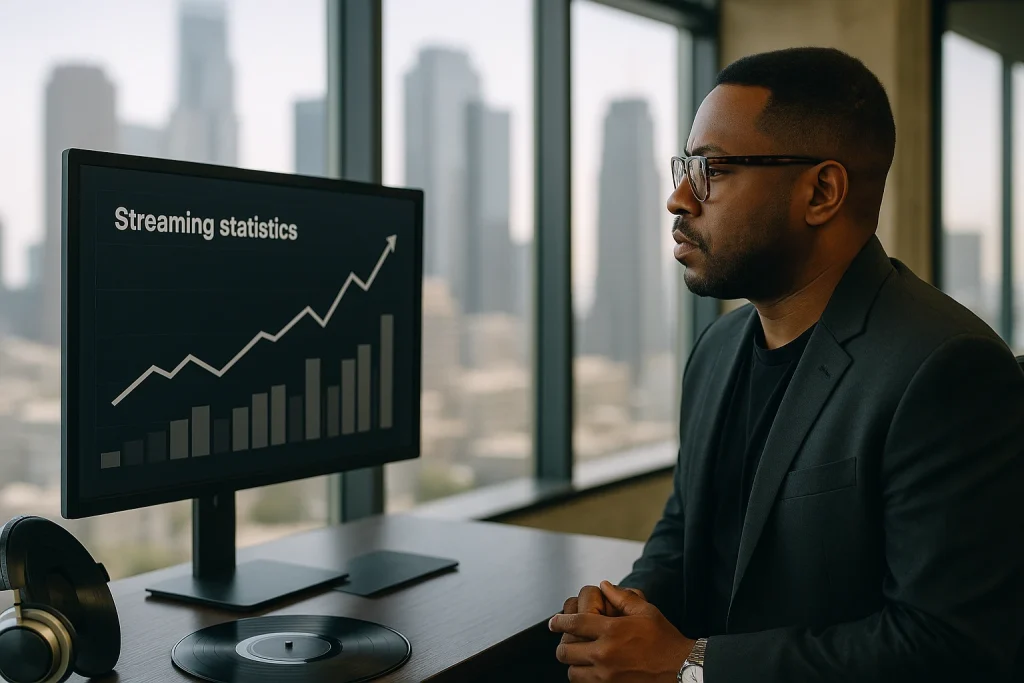
In addition to digital scouting, many labels still accept demo submissions. However, the process has become more competitive, as the sheer volume of submissions can be overwhelming. To stand out, producers must ensure their demos are polished, unique, and aligned with the label’s brand and genre preferences.
Comparative Data: Major vs. Independent Labels
| Feature | Major Label | Independent Label |
|---|---|---|
| Royalty Split | 50/50 | 80/20 |
| Creative Control | Limited | Significant |
| Distribution | Global | Varies |
| Marketing Support | High | Moderate |
| Artist Development | Comprehensive | Personalized |
Leveraging Ghost Production for Your Label
In the fast-paced world of EDM, labels often turn to ghost production to keep up with demand and maintain a fresh catalog. Ghost producers create tracks that can be branded and released under a different artist’s name, providing labels with high-quality music without the need for long-term commitments. This practice is especially beneficial for labels looking to diversify their offerings quickly.
For those interested in exploring ghost production, resources like Ghost Production for Record Labels provide valuable insights into how to incorporate professional ghost-produced tracks into your label’s strategy. By working with experienced ghost producers, labels can enhance their roster with unique sounds and styles, ensuring a competitive edge in the market.
Additionally, hiring a ghost producer for custom tracks can be a strategic move for labels aiming to fill specific gaps in their catalog. Services like Hire a Ghost Producer / Music Production Services offer tailored solutions, allowing labels to meet precise production needs with efficiency and expertise.
The Role of A&R in 2026
Artist and repertoire (A&R) departments play a crucial role in shaping a label’s identity by discovering and nurturing talent. In 2026, A&R professionals must be adept at both digital and personal interactions, balancing data-driven scouting with traditional talent evaluation. They are responsible for identifying artists who align with the label’s brand and have the potential to impact the market.
The integration of AI tools in A&R processes has become increasingly common, helping professionals analyze trends and predict an artist’s potential success. However, the personal touch remains irreplaceable, as understanding an artist’s vision and potential for growth requires nuanced human insight.
Integrating The Ghost Production into Your Strategy
For labels seeking to expand their catalog without overextending resources, leveraging platforms like The Ghost Production can be a game-changer. By providing access to exclusive ghost-produced tracks, labels can quickly adapt to market trends and consumer preferences. This approach not only enhances the diversity of offerings but also allows labels to experiment with new genres and sounds without significant financial risk.
Moreover, The Ghost Production offers solutions for labels aiming to maintain a consistent release schedule. By buying exclusive ghost-produced tracks, labels ensure a steady stream of high-quality music, keeping audiences engaged and expanding their reach. For more information on integrating ghost production into label strategies, visit Buy Exclusive Ghost-Produced Tracks.
Frequently Asked Questions
What is the difference between a licensing deal and a signing deal?
A licensing deal allows the label to distribute and promote an artist’s music without taking ownership, while a signing deal involves more comprehensive support, including financial assistance and marketing, often in exchange for partial ownership of the music.
How do labels typically discover new talent today?
Labels often discover new talent through digital platforms like SoundCloud, YouTube, and TikTok, analyzing metrics such as play counts and audience engagement. Demo submissions also remain a valuable method, though competition is fierce.
Are ghost producers a viable option for labels?
Yes, ghost producers offer labels a way to diversify their catalog quickly and efficiently. They provide high-quality tracks that can be branded and released under different artists, allowing labels to meet market demands without long-term commitments.
What are the typical royalty splits between major and independent labels?
Major labels usually offer a 50/50 royalty split, while independent labels often provide an 80/20 split in the artist’s favor, granting more financial benefit and creative control to the artists.
Why should a label consider using The Ghost Production?
The Ghost Production provides access to exclusive, high-quality ghost-produced tracks, allowing labels to expand their catalog and meet market demands efficiently. This service is ideal for labels looking to maintain a consistent release schedule and explore new musical genres.
Last updated:
Ready to Scale Your Music Output?
Release more music, hit more deadlines, and build a stronger catalog — with professional ghost production that sounds exactly like you.