
Can AI-Generated Music Be Monetized? – Legal Guide 2026
Can AI-Generated Music Be Monetized? – Legal Guide 2026
As artificial intelligence continues to reshape industries worldwide, one question increasingly surfaces among music producers and DJs: can AI music be monetized? In 2026, the music industry is navigating uncharted waters, where algorithms can create, curate, and even distribute music. This comprehensive guide explores whether AI-generated music can be a viable source of income, charting the legal, technical, and strategic terrains of this evolving landscape.
The concept of AI in music isn’t new. However, the rapid advancement of AI technology has significantly increased its capabilities, making it a more integral part of music production. From generating melodies to producing entire tracks, AI’s role in music has expanded, raising questions about ownership, copyright, and monetization.
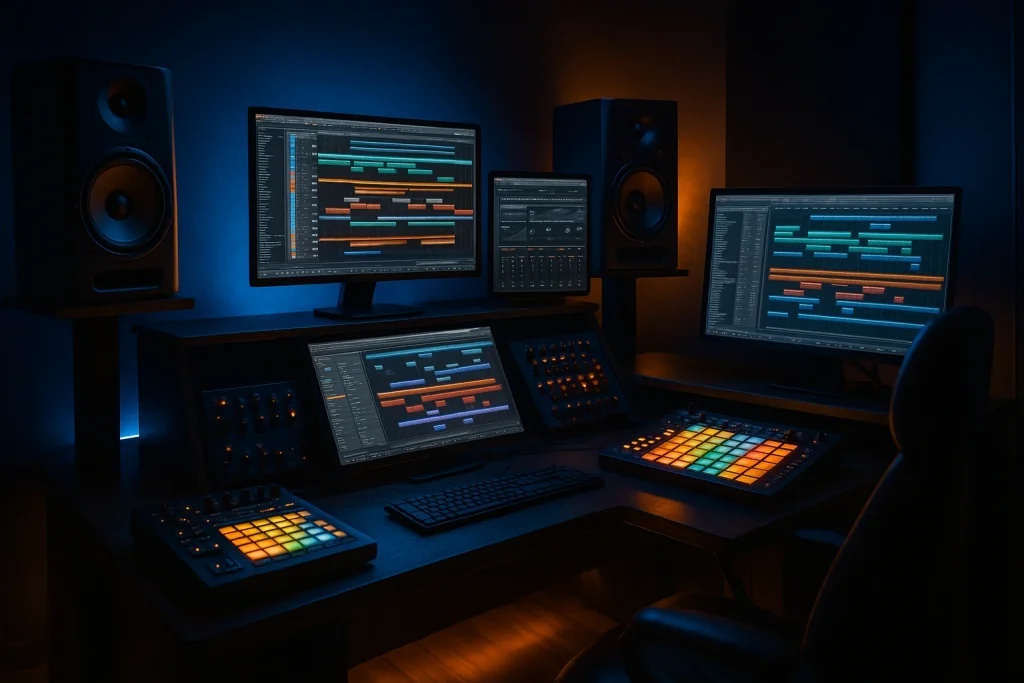
With platforms like Beatport and SoundCloud increasingly featuring AI-generated tracks, understanding how to capitalize on this technological trend is crucial. Let’s delve into the factors that determine whether AI-generated music can be a profitable venture.
Understanding AI Music Creation
AI music creation involves using algorithms to generate music with minimal human intervention. These algorithms can be trained on vast datasets of existing music, learning to replicate styles, genres, and even specific artists. Popular AI tools for music creation include Amper Music, AIVA, and OpenAI’s MuseNet, each offering different capabilities and user experiences.
While AI can produce music, the question remains: who owns it? The legal framework around AI-generated music is complex, with ownership often defaulting to the individual or entity that commissions the AI work. This area is still evolving, as seen in recent debates and policy shifts globally.
Monetization Platforms and Strategies
Once you have AI-generated music, the next step is monetization. Streaming platforms such as Spotify for Artists and Apple Music for Artists are popular choices for distributing and monetizing music. These platforms generally require that music be original and that the uploader has the rights to distribute it.
| Platform | Monetization Model | AI Music Policy |
|---|---|---|
| Spotify | Per-stream revenue | AI music accepted if rights are clear |
| Apple Music | Subscription revenue share | AI music accepted with rights verification |
| Bandcamp | Direct sales to fans | No specific AI policy, artist-owned rights required |
Beyond streaming, licensing your AI-generated music for commercial use in videos, games, and advertisements is another avenue to explore. AI music can be particularly appealing to content creators looking for unique, customizable soundtracks.
Legal Considerations and Copyright Challenges
Copyright law traditionally protects works created by humans, but how does it apply to AI-generated music? Currently, most jurisdictions do not recognize AI as a creator under copyright law. This means that the person who uses the AI tool to create music is typically considered the author and copyright holder.
It’s crucial for producers to ensure they have clear agreements and licenses when using AI tools. For those interested in ghost production, understanding these legal frameworks is critical. Platforms like The Ghost Production offer insights into ghost production legalities, which are increasingly relevant in the AI era.
Industry Examples and Notable Artists
AI-generated music isn’t just a fringe phenomenon; it’s being embraced by mainstream artists and labels. Notable examples include Taryn Southern’s AI-assisted album “I AM AI” and Holly Herndon’s exploration of AI music with her album “PROTO.” These artists have successfully integrated AI into their creative processes, offering a glimpse into the future of music production.
Record labels are also experimenting with AI-generated music as a way to expand their catalogs. For example, Warner Music Group signed an AI music startup, Endel, to create “soundscapes,” demonstrating the commercial potential of AI music.
Debunking Myths: AI Music vs. Human Creativity
One common myth is that AI music lacks the emotional depth of human-created music. While AI can generate technically proficient music, critics argue it lacks the nuanced emotional expression characteristic of human artistry. However, artists using AI often blend algorithmic composition with human creativity, creating unique hybrids that push creative boundaries.
For producers, AI can be a powerful tool, not a replacement. It can streamline workflows, generate new ideas, and provide inspiration. Learning to integrate AI effectively can enhance a producer’s output and open new creative avenues.
Actionable Advice for Producers
For producers looking to monetize AI-generated music, the following steps are recommended:
- Ensure you understand the legal rights and ownership of your AI-generated music. Consider consulting with a legal expert to navigate copyright issues.
- Explore multiple distribution channels. In addition to major streaming platforms, consider niche platforms and direct sales models.
- Stay informed about industry trends and technological advancements. Resources like Mixmag and Resident Advisor provide valuable insights into the evolving music scene.
- Consider collaborating with established artists or labels that are exploring AI music. This can increase exposure and provide valuable industry connections.
- Utilize platforms like The Ghost Production to access ghost production services and expand your musical offerings.
Producers interested in this cutting-edge field can also benefit from exploring how to get signed as a producer and where to submit demos to connect with labels exploring AI music.
Frequently Asked Questions
What is AI-generated music?
AI-generated music is music created with the assistance of artificial intelligence algorithms, which can compose, arrange, and produce tracks with minimal human input.
Who owns the rights to AI-generated music?
Typically, the person or entity that commissions the AI-generated music is considered the copyright holder, although this can vary based on jurisdiction and specific agreements.
Is AI-generated music accepted on major streaming platforms?
Yes, AI-generated music is accepted on platforms like Spotify and Apple Music, provided that the uploader holds the distribution rights and the music adheres to platform guidelines.
Can AI replace human producers?
AI is a tool that can aid producers by generating ideas and streamlining processes but is not a replacement for human creativity and emotional expression in music.
How can I start monetizing AI-generated music?
To monetize AI-generated music, ensure you have the rights to distribute it, choose appropriate platforms for release, and explore licensing opportunities for commercial use.
Last updated:
Ready to Scale Your Music Output?
Release more music, hit more deadlines, and build a stronger catalog — with professional ghost production that sounds exactly like you.