
Best Audio Interface for Home Studio
Best Audio Interface for Home Studio
In 2026, the quest for the best audio interface for home studios remains a pivotal decision for music producers and DJs. As the heart of your studio setup, an audio interface acts as the bridge between your computer and your music equipment, ensuring high-quality sound input and output. Whether you’re a budding producer setting up your first home studio or an experienced DJ looking to upgrade, choosing the right audio interface can dramatically impact your production quality.
With advances in technology, today’s audio interfaces offer a range of features that cater to different needs, from budget-friendly options to high-end professional models. This guide will navigate you through the essential aspects of selecting the best audio interface for your home studio, presenting real-world statistics, technical details, and expert tips to help you make an informed choice.
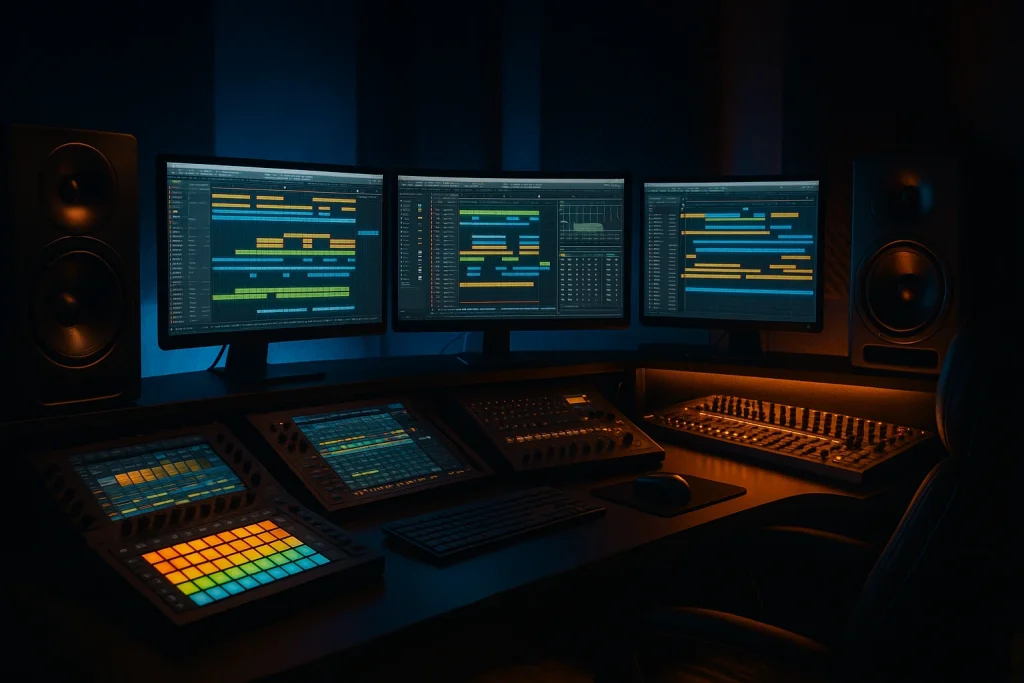
Why an Audio Interface Is Essential
An audio interface is more than just a connecting device; it’s a critical component that influences the sound quality of your recordings and playback. In a world where digital music production is ubiquitous, the importance of an audio interface cannot be overstated. Not only does it provide high-quality analog-to-digital conversion, but it also offers essential connectivity for microphones, instruments, and monitors.
The need for an audio interface becomes apparent when considering the limitations of built-in sound cards found in most computers. These integrated systems often result in latency issues and low fidelity, which can be detrimental to professional music production. The right audio interface addresses these issues, ensuring low latency and superior sound quality, thereby enabling producers to deliver polished tracks that stand out in today’s competitive music landscape.
Key Features to Consider
When selecting an audio interface, several key features should guide your decision:
- Number of Inputs and Outputs: Consider how many instruments and microphones you plan to connect simultaneously. A typical home studio might start with a two-input interface, while more complex setups may require additional I/O options.
- Connectivity: USB is the most common interface type, offering broad compatibility. However, Thunderbolt offers faster data transfer rates, ideal for high-end production needs.
- Sound Quality: Look for interfaces with high sample rates (e.g., 192 kHz) and bit depths (24-bit) to ensure crystal-clear audio.
- Preamp Quality: High-quality preamps are crucial for achieving professional-grade recordings, particularly when working with microphones.
- Portability: If you plan to record on the go, consider the size and weight of the interface, as well as whether it can be bus-powered.
Top Audio Interfaces for Home Studios in 2026
Here’s a look at some of the leading audio interfaces in 2026, each offering a unique balance of features and price points:
| Model | Inputs/Outputs | Connectivity | Sample Rate | Price Range |
|---|---|---|---|---|
| Focusrite Scarlett 2i2 | 2 In / 2 Out | USB-C | 192 kHz | $150–$200 |
| Universal Audio Apollo Twin X | 2 In / 4 Out | Thunderbolt 3 | 192 kHz | $900–$1,200 |
| PreSonus AudioBox USB 96 | 2 In / 2 Out | USB 2.0 | 96 kHz | $100–$150 |
| RME Babyface Pro FS | 12 In / 12 Out | USB 3.0 | 192 kHz | $1,200–$1,500 |
| MOTU M4 | 4 In / 4 Out | USB-C | 192 kHz | $250–$300 |
Budget vs. Mid-Range Options
For producers just starting out, budget-friendly options like the Focusrite Scarlett 2i2 and PreSonus AudioBox USB 96 provide excellent value without compromising on essential features. The Scarlett 2i2 is particularly popular for its user-friendly interface and high-quality preamps, making it a staple in many home studios. Meanwhile, the PreSonus AudioBox USB 96 offers a robust entry-level option with reliable performance and affordability.
Mid-range interfaces such as the MOTU M4 and Universal Audio Apollo Twin X provide enhanced connectivity and superior sound quality, catering to producers who require more flexibility and professional-level features. The Apollo Twin X, with its Thunderbolt connectivity and renowned preamps, is especially favored by producers looking for pristine audio fidelity and real-time UAD processing capabilities.
Professional Production and Real-World Usage
Many renowned producers and DJs rely on high-quality audio interfaces to craft their signature sounds. For instance, Grammy-winning producer Finneas, known for his work with Billie Eilish, has utilized the Universal Audio Apollo series to achieve the lush, immersive soundscapes that define their music. Similarly, electronic music producers frequently turn to brands like RME for their exceptional audio fidelity and stable performance.
For those who aim to produce professional-level music, investing in a high-quality audio interface is non-negotiable. It not only ensures superior sound capture and playback but also enhances your overall workflow, allowing you to focus on the creative aspects of music production without technical hindrances.
Choosing the Right Interface for Your Needs
Ultimately, the best audio interface for your home studio depends on your specific needs and budget. Consider your current setup and future aspirations. Are you collaborating with other artists, or do you plan to expand your studio? If you’re collaborating on music production, check out resources like Music Production Collaboration to enhance your projects without burnout.
For those seeking professional production services, The Ghost Production offers a range of options, from hiring a ghost producer to buying exclusive ghost-produced tracks. This can be an excellent way to scale your music production output and ensure your tracks are release-ready.
Explore more on how to set up your home studio with our Home Studio Setup for Beginners guide, and learn about outsourcing music production to streamline your workflow without losing quality. If you’re looking to get tracks made for you, consider how custom production services can elevate your sound.
Frequently Asked Questions
What is the best audio interface for beginners?
For beginners, the Focusrite Scarlett 2i2 offers an ideal balance of quality and affordability. Its simplicity and excellent sound quality make it a favorite among new producers.
How important is the sample rate in an audio interface?
The sample rate determines how many times per second audio is captured and played back. A higher sample rate, such as 192 kHz, provides more detail and a more accurate representation of the original sound.
Can I use a budget audio interface for professional production?
Yes, budget audio interfaces like the PreSonus AudioBox USB 96 can be used for professional production, especially if your needs are basic. However, for more demanding projects, investing in a higher-end model can yield better results.
What connectivity options should I look for in an audio interface?
USB connectivity is the most common and offers broad compatibility. Thunderbolt interfaces provide faster data transfer and are ideal for high-performance setups.
Where can I find more information on setting up a home studio?
For comprehensive guidance on setting up a home studio, check out our Home Studio Setup for Beginners guide, which covers essential equipment and setup tips.
Last updated:
Ready to Scale Your Music Output?
Release more music, hit more deadlines, and build a stronger catalog — with professional ghost production that sounds exactly like you.