
Music Production for Artists – Tracks for Your Project
Music Production for Artists – Tracks for Your Project
In the evolving landscape of music production for artists, the demand for customized tracks has never been higher. From original compositions to innovative remixes, music production is a critical component for singers, rappers, and artists seeking to make their mark. As we head deeper into 2026, it’s essential to understand the complexities and opportunities within this vibrant field. This guide will provide a comprehensive overview, touching on historical context, industry statistics, and actionable advice for both newcomers and seasoned professionals.
The music industry is a dynamic environment where trends shift quickly. For instance, the rise of home studios equipped with DAWs (Digital Audio Workstations) like Ableton Live and FL Studio has democratized music production. This shift has empowered independent artists to produce high-quality music without the need for expensive studio time. Notably, the number of tracks uploaded to SoundCloud increased by 35% from 2023 to 2025, highlighting an influx of new music created by independent producers.
While technology has made music production more accessible, the quality and uniqueness of tracks remain paramount. Artists seek to stand out in a crowded market, and customized music production offers a pathway to achieving that goal. This includes everything from ghost-produced tracks to bespoke remixes tailored to an artist’s unique style.
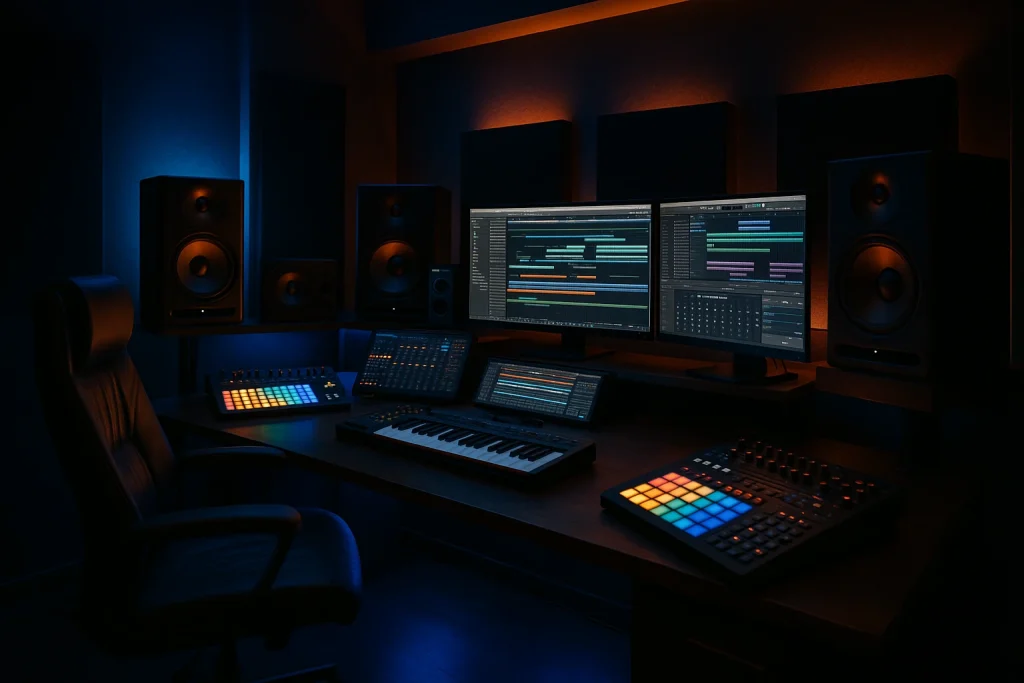
A Historical Perspective: The Evolution of Music Production
The history of music production is rich and varied, with roots tracing back to the early days of recorded sound. In the 20th century, the advent of multitrack recording revolutionized the industry, allowing producers to create more complex and polished recordings. Pioneers like George Martin, often referred to as the “Fifth Beatle,” demonstrated how production could transform raw musical ideas into timeless hits.
Fast forward to the digital age, and the role of the producer has expanded even further. The introduction of MIDI in the 1980s and the proliferation of synthesizers and drum machines laid the groundwork for the electronic dance music revolution. Today, producers wield immense creative power, often collaborating closely with artists to shape the sound and direction of their music.
Understanding Today’s Music Production Landscape
In 2026, the landscape of music production is characterized by a blend of traditional techniques and cutting-edge technology. As artists seek to differentiate themselves, the demand for unique and high-quality tracks continues to grow. Platforms like Splice offer an extensive library of samples and loops, enabling producers to experiment with diverse sounds and styles.
Statistics indicate that electronic music remains a dominant genre, with Beatport reporting a 22% increase in sales of techno and house tracks in 2025 alone. This trend underscores the importance of music production in shaping the soundscapes of popular genres.
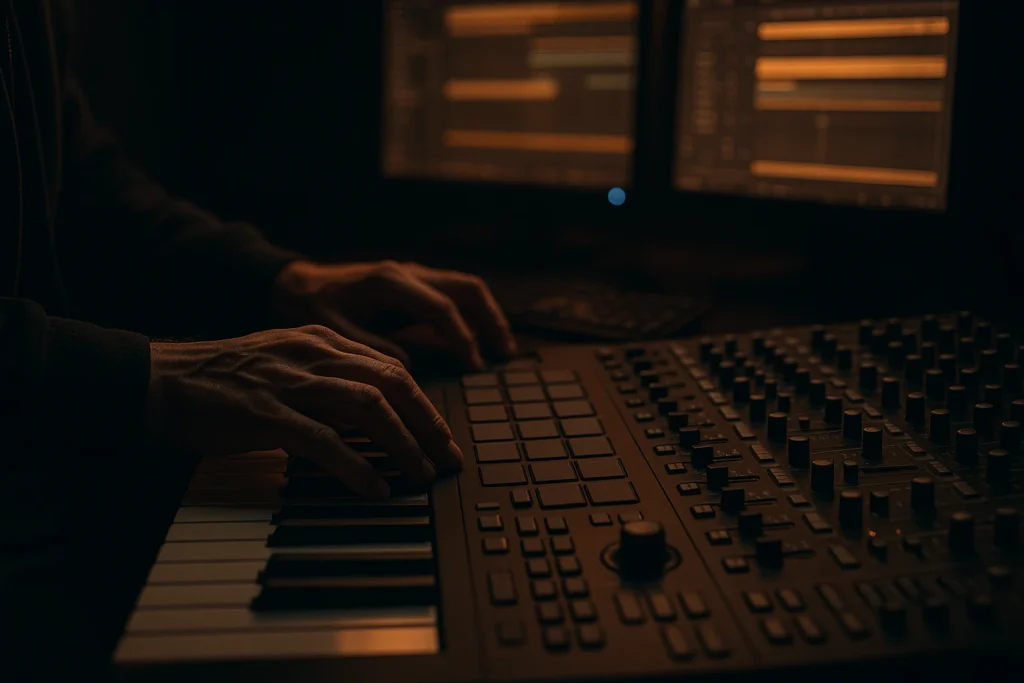
The Technical Side of Music Production
For aspiring producers, understanding the technical aspects of music production is crucial. This includes mastering DAWs, synthesizers, and effects plugins. Knowledge of sound design, mixing, and mastering can significantly enhance the quality of the final product.
Key Tools in Music Production
The choice of tools can greatly influence the production process. Popular DAWs such as Ableton Live, Logic Pro X, and FL Studio are staples in the industry, each offering unique features and capabilities. Additionally, producers often rely on virtual instruments and effects plugins to craft their signature sounds.
| Tool | Primary Use | Notable Features |
|---|---|---|
| Ableton Live | DAW | Session View, Real-Time Performance |
| Logic Pro X | DAW | Comprehensive MIDI Tools, Apple Integration |
| FL Studio | DAW | Pattern-Based Sequencing, Flexible Workflow |
| Serum | Synthesizer | Wavetable Synthesis, High-Quality Output |
| FabFilter Pro-Q | EQ Plugin | Dynamic EQ, Intuitive Interface |
Expert Tips for Successful Music Production
Successful music production goes beyond technical skills. Here are some expert tips to elevate your production game:
- Understand the Artist’s Vision: Collaborate closely with artists to ensure the final product aligns with their creative vision.
- Stay Current: Keep abreast of industry trends by following publications like Mixmag and Resident Advisor.
- Experiment with Sounds: Use platforms like Beatport to discover new genres and styles.
- Network: Engage with other producers and artists to expand your professional network and gain new insights.
Collaborating with Ghost Producers
Collaborating with ghost producers has become a viable option for many artists seeking to enhance their output. Ghost production involves hiring a professional to create music that is then released under the artist’s name. This practice allows artists to focus on performance and branding while ensuring a steady stream of high-quality releases.
For those interested in exploring this route, The Ghost Production offers comprehensive music production services and the opportunity to buy exclusive ghost-produced tracks. Understanding how ghost production works can provide valuable insights into maximizing the benefits of such collaborations.
Frequently Asked Questions
What is the role of a music producer?
A music producer oversees the recording process, guides the artistic and technical elements of a track, and often collaborates with artists to shape the sound and direction of the music.
How can I improve my music production skills?
Improving your skills involves practice, learning from tutorials, experimenting with different tools, and seeking feedback from peers. Engaging with resources like Spotify for Artists can also offer valuable insights into the industry.
Is ghost production ethical?
Ghost production is a legitimate part of the music industry, allowing artists to produce more music and focus on other aspects of their career. Transparency and mutual agreement are key to maintaining ethical standards in these collaborations.
What are the most popular genres in music production today?
As of 2026, electronic dance music, hip-hop, and pop continue to dominate the charts. Sub-genres like techno, house, and trap also maintain strong followings, reflecting diverse listener preferences.
How do I choose the right DAW?
Choosing a DAW depends on your workflow preferences and the features you prioritize. Consider demo versions of popular DAWs like Ableton Live, Logic Pro X, and FL Studio to see which aligns best with your production style.
Last updated:
Ready to Scale Your Music Output?
Release more music, hit more deadlines, and build a stronger catalog — with professional ghost production that sounds exactly like you.