
Sorry, no results.
Please try another keyword
Looking for exclusive Hybrid Trap ghost production? Browse professionally crafted, release-ready Hybrid Trap tracks created by experienced producers.
Each track is sold exclusively with full rights included — ready to release under your name. Need something fully custom? Order a custom-made Hybrid Trap production.
Hybrid Trap emerged in the mid-2010s as a vibrant offshoot of the broader electronic dance music scene, particularly in the United States. It represents a rich blend of melodic and rhythmic elements, combining the emotive characteristics of future bass with the hard-hitting percussion and basslines of trap music. The tempo generally ranges from 140 to 150 BPM, providing a energetic yet flexible pace for both producers and DJs.
The genre is renowned for its fusion of heavy drops, intricate melodic structures, and emotional vocal chops, making it a staple in both festival mainstages and underground clubs. As DJ Mag has documented, Hybrid Trap quickly found its place in the electronic music ecosystem alongside other evolving genres such as future bass and future house.
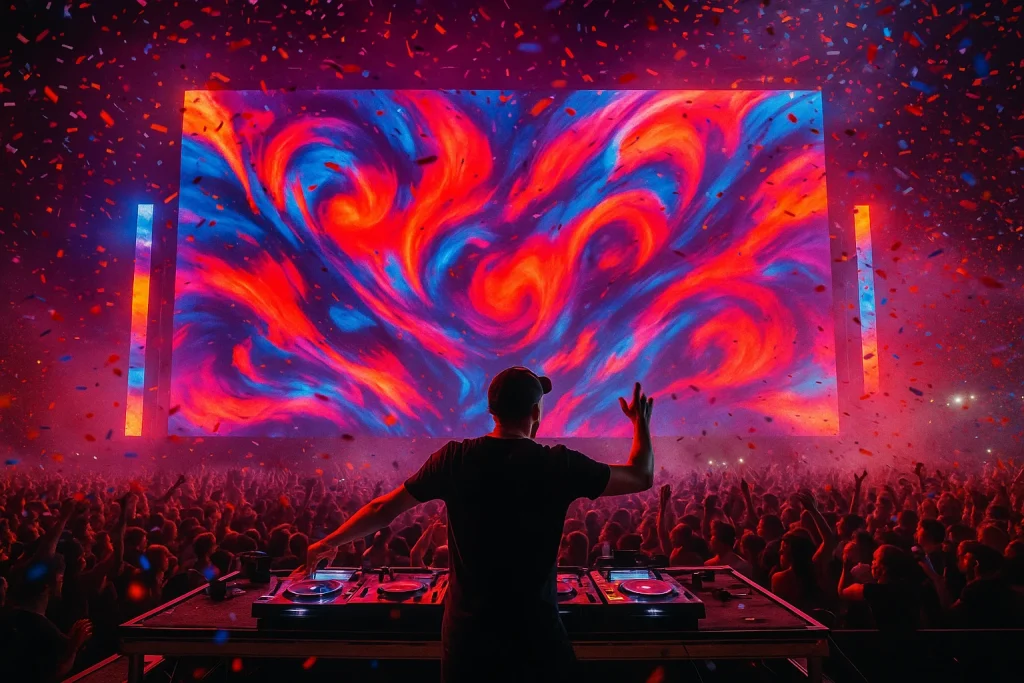
Several artists have been pivotal in shaping the Hybrid Trap genre. Ekali, for instance, has merged his background in live instrumentation with electronic production, leading to a series of successful releases like “Stay Hollow” (2018), which helped bridge the gap between trap and more melodic elements. Illenium, while primarily known for melodic dubstep, has also ventured into Hybrid Trap territory, infusing his tracks with emotional depth and cinematic soundscapes.
Artists like Ghastly and Unlike Pluto have similarly contributed to the genre’s evolution. Ghastly’s collaborations and solo releases often feature the genre’s quintessential heavy drops and rhythmic diversity. Unlike Pluto has brought a unique perspective with his eclectic blend of electronic sounds, often incorporating elements from genres such as experimental music. Jahlani’s innovative approach and consistent output have made him a staple in the Hybrid Trap scene, influencing countless producers and DJs.
Creating a standout Hybrid Trap track involves mastering several key components. The kick pattern, often simple yet powerful, serves as the foundation, while bass design requires a balance between sub-bass depth and mid-range aggression. Harmonic choices typically involve lush, detuned synths that blend smoothly with vocal chops and intricate percussion.
Producers often use DAWs like Ableton Live and FL Studio, favoring plugins such as Serum for its powerful wavetable synthesis and the FabFilter suite for precise mixing. A well-structured arrangement usually alternates between euphoric buildups and explosive drops. Mixmag highlights how professional-sounding tracks are distinguished by their polished sound design and dynamic range management, often involving intricate sidechain compression and EQing techniques.

The use of ghost producers is prevalent in the Hybrid Trap scene, with industry surveys estimating that 60–80% of charting electronic tracks involve some form of ghost production. This practice is driven by the intense release-schedule pressure faced by artists and the skill gap that often exists between DJing and producing. As labels in 2026 continue to demand high-quality, consistent output, ghost producers become invaluable assets to artists seeking to maintain their creative and competitive edge.
Ghost production enables DJs and artists to focus on touring and performance, while ensuring their releases maintain a high standard. This trend is not limited to Hybrid Trap; other genres like dubstep and trap also see similar practices.
When hiring a ghost producer, clarity in your brief is crucial. Include reference tracks, desired key and BPM, mood, and structure in your initial communication. Typical deliverables from a ghost producer include a mastered WAV file, stems for remixing, and MIDI files for further editing.
Pricing can range from $200 to over $5,000, depending on the project’s complexity and exclusivity. Be wary of red flags such as vague communication, unusually low pricing, or reluctance to provide revisions. Trustworthy platforms like Beatport and Splice offer directories and resources for finding reputable ghost producers.
| Service Provider | Quality Level | Turnaround Time | Pricing | Rights Offered |
|---|---|---|---|---|
| The Ghost Production | High | 2–3 weeks | $500-$5,000 | Full rights |
| Splice Ghost Services | Medium | 1–2 weeks | $300-$3,000 | Partial rights |
| Freelance Platform | Varies | 1–4 weeks | $200-$2,500 | Partial rights |
Integrating ghost-produced tracks into your sets requires careful planning to ensure they complement your overall sound. Use tools like the DJ Set Planner to organize your set flow and test how the new tracks blend with your existing repertoire. Additionally, consider using the Song Key Finder to ensure harmonic compatibility.
Many DJs also leverage platforms like SoundCloud for crowd-testing their sets, receiving valuable feedback before major performances.
Hybrid Trap is a subgenre of electronic music that combines elements of melodic future bass and trap rhythms, characterized by emotional vocal chops and heavy drops, typically ranging from 140 to 150 BPM.
Artists use ghost producers to manage the demands of a busy release schedule, maintain high production quality, and bridge the skill gap between DJing and producing. This allows them to focus on other aspects of their careers.
A comprehensive brief should include reference tracks, desired key and BPM, mood, structure, and any specific sonic elements or effects you want in the track.
Ghost production costs vary widely, typically ranging from $200 to over $5,000, depending on factors like complexity, exclusivity, and the producer’s reputation.
Yes, ghost-produced tracks are often integrated into live sets, provided they are harmonically compatible and fit the artist’s style. Proper planning and testing within your set are recommended.
Last updated:
Release more music, hit more deadlines, and build a stronger catalog — with professional ghost production that sounds exactly like you.


 FL Studio