
How to Get Remixes – Order Professional Remixes
How to Get Remixes: Order Professional Remixes
In the fast-evolving music industry of 2026, getting a remix can be a game-changer for artists and DJs looking to expand their reach and breathe new life into their tracks. Whether you’re an independent artist or a record label executive, understanding how to get remixes is crucial for tapping into new audiences and keeping your music fresh. This comprehensive guide will walk you through the process of ordering professional remixes, the technical aspects of mixing, and what makes a remix stand out in today’s competitive landscape.
Remixing involves taking an existing track and restructuring it to create a new version. This process requires a nuanced understanding of musical elements and production techniques. From selecting the right stems to collaborating with talented producers, each step is critical to achieving a remix that resonates with listeners. Let’s dive into the intricacies of professional mixing and how you can leverage them to enhance your music catalog.
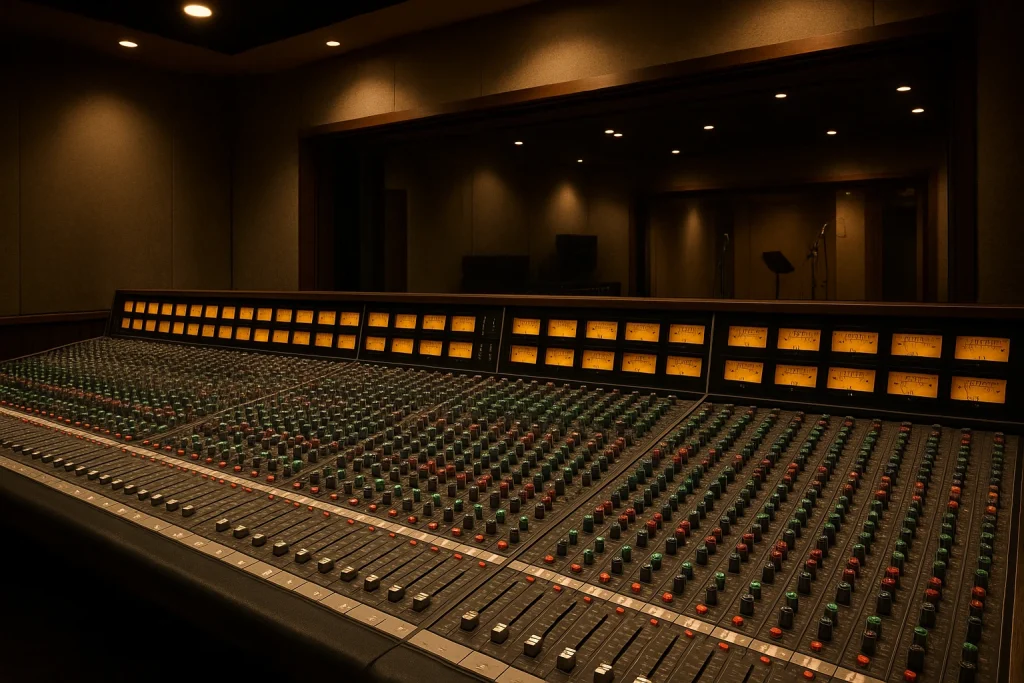
For those looking to outsource this creative process, platforms like The Ghost Production offer professional remix services that cater to various musical genres and styles. These services provide artists and labels with access to experienced producers who can transform original tracks into captivating remixes.
Understanding Professional Mixing Techniques
Gain Staging and Its Importance
Gain staging is a critical component in the mixing process. It involves setting the optimal input levels for each track to ensure that the audio maintains clarity and headroom. Proper gain staging prevents distortion and ensures that the final mix has the right dynamic range. For more detailed guidance, check out our Gain Staging Guide.
The Role of EQ: Corrective vs. Creative
EQ, or equalization, serves two main purposes in mixing: corrective and creative. Corrective EQ addresses any issues in the frequency balance of a track, such as removing unwanted frequencies or resonances. Creative EQ, on the other hand, is used to enhance certain elements, adding character and depth to the mix. The decisions made at this stage can significantly impact the overall sound of a remix.
Parallel Compression Explained
Parallel compression, also known as New York compression, is a technique that involves blending a compressed version of a track with the original uncompressed version. This approach allows for increased loudness and punch without sacrificing the natural dynamics of the music. Parallel compression is particularly effective for drums and vocals, offering a way to add power without losing subtle details.
Bus Processing Strategies
Bus processing is essential for creating a cohesive mix. It involves routing multiple tracks to a single bus channel and applying effects or processing to the entire group. Grammy-winning engineers often use bus processing to glue the mix together, ensuring that each element complements the others. This technique is key to achieving a polished, professional sound.
Common Mixing Challenges and Solutions
Home Studio Acoustic Treatment and Frequency Masking
One of the biggest challenges in home studios is dealing with poor acoustics, which can lead to frequency masking—where certain frequencies overpower others, making them difficult to hear. Proper acoustic treatment, such as bass traps and diffusers, can help mitigate these issues. Addressing frequency masking ensures that all elements of a mix are clear and balanced.
Mixing for Streaming Platforms
In today’s digital age, mixing for streaming platforms like Spotify for Artists is essential. Streaming services have specific loudness standards, and over-limiting can lead to distortion and loss of detail. Mixing with these standards in mind ensures that your music sounds its best across all platforms.
Avoiding Amateur Sounding Mixes
Common mistakes that lead to amateur-sounding mixes include overuse of reverb, excessive compression, and poor EQ decisions. To achieve a professional sound, it’s crucial to exercise restraint and focus on enhancing the core elements of the track. Referencing tracks from successful artists can provide valuable insights into achieving a polished mix.

The Reference Track Method
The reference track method involves comparing your mix to professionally produced tracks that you admire. This approach helps identify areas that need improvement, such as frequency balance, stereo width, and dynamic range. By understanding how top producers achieve their sound, you can apply similar techniques to your own remixes.
Real Examples of Reference Tracks
For example, if you’re producing a house remix, you might reference tracks by artists like Disclosure or MK. For techno, consider looking at productions by Adam Beyer or Charlotte de Witte. Analyzing these tracks provides a benchmark for your own work, helping you make informed decisions during the mixing process.
Platforms like Beatport and Resident Advisor offer a wealth of reference material to guide your mixing endeavors.
Ordering Professional Remixes
When it comes to ordering professional remixes, it’s important to choose a service that aligns with your creative vision. Services like The Ghost Production’s Custom Remix Service provide personalized support, ensuring that the final product meets your expectations. By collaborating with experienced producers, you can transform your original tracks into standout remixes that captivate audiences.
Comparative Analysis of Mixing Techniques
| Technique | Purpose | Common Use Cases |
|---|---|---|
| Gain Staging | Setting optimal input levels | Prevents distortion, maintains headroom |
| EQ (Corrective) | Fix frequency balance issues | Removing resonances, fixing muddiness |
| EQ (Creative) | Enhance and shape sounds | Adding brightness, boosting bass |
| Parallel Compression | Blend compressed/uncompressed signals | Drums, vocals for added punch |
| Bus Processing | Apply effects to grouped tracks | Glueing mixes, cohesive sound |
Navigating the Remix Market
The remix market in 2026 is vibrant and diverse, with artists from every genre seeking innovative reimaginings of their work. Whether you’re looking to expand your musical repertoire or need a fresh take on your existing tracks, understanding how to navigate this market is key. Utilizing platforms like SoundCloud, where remixes frequently gain traction, can help you find both inspiration and the right collaborators.
For a more hands-on approach, you might consider exploring the How to Release More Music guide, which offers strategies for increasing your output and visibility.
The Future of Remixing
As technology continues to evolve, so too does the art of remixing. AI and machine learning are beginning to play a role in music production, offering new possibilities for creative expression. However, the human element—intuition, emotion, and personal style—remains irreplaceable. By combining cutting-edge technology with traditional techniques, producers can create remixes that are both innovative and deeply resonant.
For those interested in exploring the role of AI in music, our guide on AI in Music Production provides insights into the current landscape and future possibilities.
Frequently Asked Questions
What are the benefits of ordering a professional remix?
A professional remix can breathe new life into a track, reach new audiences, and provide a fresh take on your music. It can also enhance your brand and open opportunities for collaboration with other artists.
How do I choose the right remix service?
Look for services with a track record of successful projects and a portfolio that aligns with your musical style. Platforms like The Ghost Production offer tailored options to suit different artistic visions.
Why is gain staging important in mixing?
Gain staging ensures that audio levels are set correctly throughout the mixing process, preventing distortion and maintaining dynamic range, which is crucial for a clean, professional sound.
What is parallel compression, and how is it used?
Parallel compression involves blending a compressed version of a track with its original. This technique enhances loudness and punch without losing dynamic range, commonly used for drums and vocals.
How can I use reference tracks effectively?
Reference tracks provide a benchmark for your mix, helping you identify areas for improvement. Analyze tracks from your favorite producers to understand their use of EQ, dynamics, and stereo imaging.
Last updated:
Ready to Scale Your Music Output?
Release more music, hit more deadlines, and build a stronger catalog — with professional ghost production that sounds exactly like you.