
Hire a Ghost Producer | Radio-Ready Tracks
How to Hire a Ghost Producer for Radio-Ready Tracks
In 2026, the music industry is more competitive than ever, and many DJs and producers are turning to ghost production to stay ahead. If you’re looking to hire a ghost producer, understanding the process, costs, and expectations is crucial. This guide will walk you through everything you need to know to make an informed decision.
Ghost producing allows artists to maintain a consistent release schedule, diversify their sound, and focus on performance and marketing. However, the landscape can be tricky, with scams and subpar quality lurking. Let’s explore how to navigate this complex terrain safely.
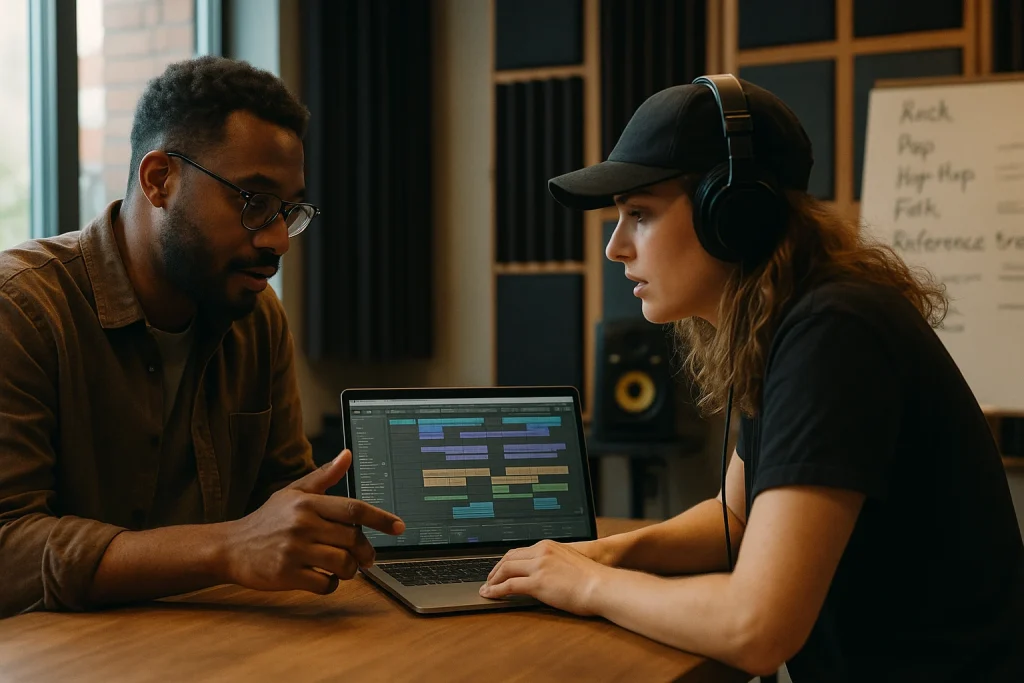
Where to Find Reputable Ghost Producers
Finding a reputable ghost producer requires due diligence. Platforms like Beatport and SoundCloud are excellent starting points for discovering talented producers whose work resonates with you. Additionally, websites dedicated to ghost production, including The Ghost Production, offer vetted professionals.
Networking within music communities, both online and offline, can also yield promising connections. Forums, social media groups, and conferences are valuable resources. Make sure to cross-reference any potential hires by checking their past work, client reviews, and industry reputation.
Red Flags and Scams to Avoid
Unfortunately, the ghost production industry is not immune to scams. Be wary of producers who offer prices that seem too good to be true, lack a portfolio, or are unwilling to provide references. It’s also crucial to watch out for stolen work — a producer should be able to prove ownership of their samples and projects.
Always insist on a contract and a Non-Disclosure Agreement (NDA) to protect both parties. This ensures that the terms of service, payment, and confidentiality are legally binding and clear.
Understanding Pricing Tiers
Ghost production costs vary widely, generally divided into three tiers:
| Pricing Tier | Price Range | Features |
|---|---|---|
| Budget | $100–$300 | Basic production, limited revisions, often lacks exclusivity |
| Mid-Range | $500–$2,000 | Higher quality, some customization, usually includes stems and project files |
| Professional | $3,000+ | Top-tier production, full exclusivity, extensive customization |
Consider your needs carefully when choosing a tier. For radio-ready tracks, the mid-range to professional tiers typically offer the quality and customization required. Learn more about music production services to choose the right option for your project.
What Deliverables to Expect
Understanding what deliverables to expect is crucial when hiring a ghost producer. Typically, you should receive:
- WAV Masters: High-quality audio files ready for distribution or streaming.
- Stems: Separated audio tracks for individual elements (e.g., drums, vocals, synths).
- MIDI Files: Editable files containing the song’s note data for further customization.
- Project Files: The original DAW files for complete control over the track.
Ensure these deliverables are clearly outlined in the contract to avoid disputes later. Many producers also offer revisions, so confirm how many are included in your package.
How to Write a Proper Brief
A detailed brief is essential for conveying your vision to the ghost producer. Include the following elements:
- Genre and Style: Specify the genre and any particular artists or tracks that inspire you.
- Track Length: Indicate the desired length of the track.
- Elements and Instruments: Describe any specific sounds, instruments, or samples you want.
- References: Provide links to reference tracks to guide the producer’s direction.
- Deadline: Clearly state your timeline for completion.
A comprehensive brief minimizes revisions and ensures the final product aligns with your expectations. For more guidance, check out our producer resources.
NDA and Contract Essentials

A Non-Disclosure Agreement (NDA) and a detailed contract are vital in protecting your interests and maintaining confidentiality. The NDA prevents the producer from disclosing their involvement in your track, while the contract outlines the scope of work, payment terms, and deliverables.
Key contract elements should include:
- Ownership: Clarify that you retain full rights to the music.
- Payment Terms: Specify the payment schedule and method.
- Revisions: Detail the number of revisions included and any additional costs.
- Deadlines: Include agreed-upon delivery dates for each stage of production.
Having these documents in place reduces the risk of misunderstandings and legal issues. For more insights, see our guide on ghost producing.
Rights Transfer and Legal Considerations
When you hire a ghost producer, the rights transfer is a critical aspect of the transaction. The contract should explicitly state that all intellectual property rights are transferred to you upon completion and payment. This ensures you can legally distribute, perform, and monetize the track without complications.
Consulting with a legal professional familiar with music rights can provide additional peace of mind. For those interested in how this integrates with larger business strategies, explore our ghost production for DJs page.
Timelines: From Brief to Delivery
The timeline for completing a ghost-produced track varies based on complexity and the producer’s schedule. Here’s a general timeline you might expect:
| Stage | Timeframe |
|---|---|
| Initial Consultation & Briefing | 1–2 Weeks |
| Production & Revisions | 3–6 Weeks |
| Final Delivery | 1–2 Weeks |
Communicate regularly with your producer to stay updated on progress and address any issues promptly. For more on effective collaboration, consider our article on how ghost production works.
Frequently Asked Questions
What should I look for in a ghost producer’s portfolio?
Examine their previous work for consistency in quality, creativity, and alignment with your desired genre. A diverse portfolio indicates versatility and skill.
How do I ensure the ghost producer won’t disclose their involvement?
Use a legally binding NDA that prevents the producer from publicly discussing their work on your track. This ensures confidentiality and protects your brand.
Can I use the ghost-produced track for commercial purposes?
Yes, once the rights transfer is complete, you can commercially release and monetize the track. Ensure your contract clearly states this transfer of rights.
How do I handle revisions if I’m not satisfied with the track?
Discuss the revision process upfront. Most agreements include a set number of revisions. If additional changes are needed, be prepared for possible extra costs.
What happens if the ghost producer misses the deadline?
Have a clause in your contract that addresses delays and potential penalties. Clear communication can often resolve issues without escalating the situation.
Last updated:
Ready to Scale Your Music Output?
Release more music, hit more deadlines, and build a stronger catalog — with professional ghost production that sounds exactly like you.