
Hard Techno DJs Removed from Events Amid Allegations: Full Breakdown of What Happened
Hard techno DJs removed from events have become the biggest story in electronic music this week, after multiple festivals pulled artists from their line-ups following serious misconduct allegations circulating online. Promoters across Europe reacted quickly, reshaping bookings and triggering widespread discussion about accountability within the hard techno scene.
In this article, we cover the latest developments, the events involved, the artists named, agency responses, public statements from DJs, and what this means for the future of hard techno culture.
What Sparked the Controversy?
The controversy began when an Instagram account, reportedly belonging to a former agent at Paris-based booking agency Steer Management, published a series of screenshots and posts alleging serious misconduct involving several techno artists. These posts circulated widely online, quickly drawing the attention of promoters, festivals and music media outlets.
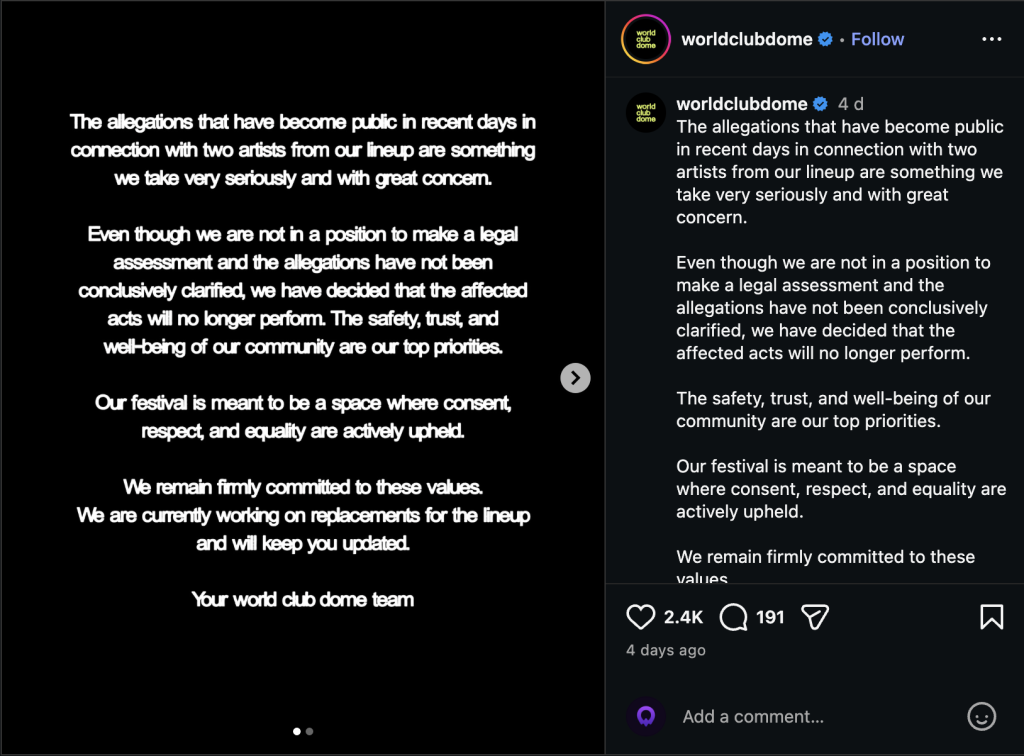
While the allegations remain unproven and no formal legal convictions have been confirmed, event organizers responded rapidly by removing certain DJs from their upcoming shows, citing concern for community safety and well-being.
Which DJs Were Removed?
According to DJ Mag and other reports, multiple prominent hard techno artists had their booked appearances cancelled amid the allegations:
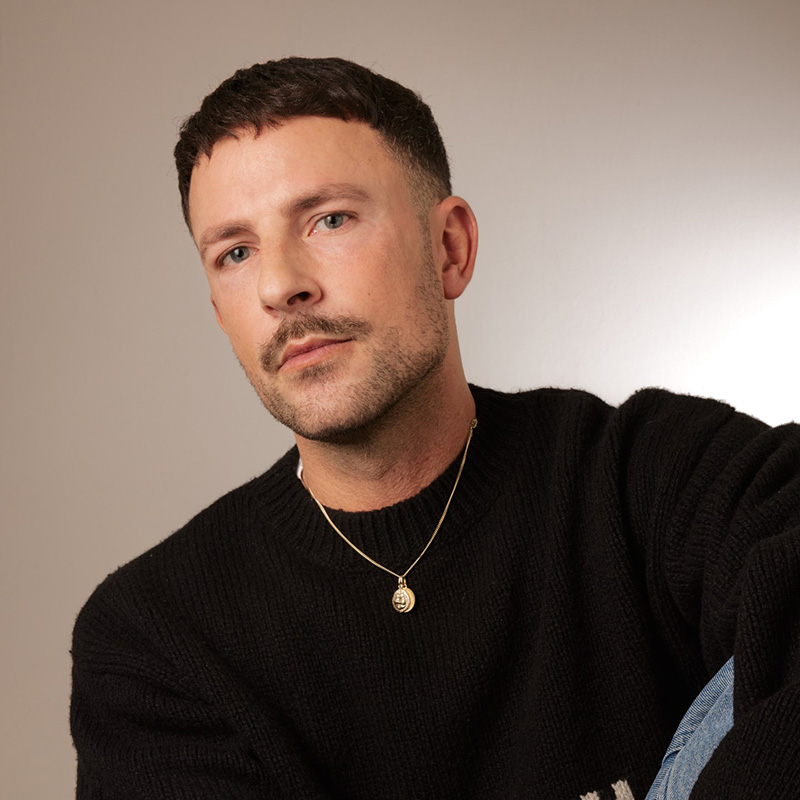
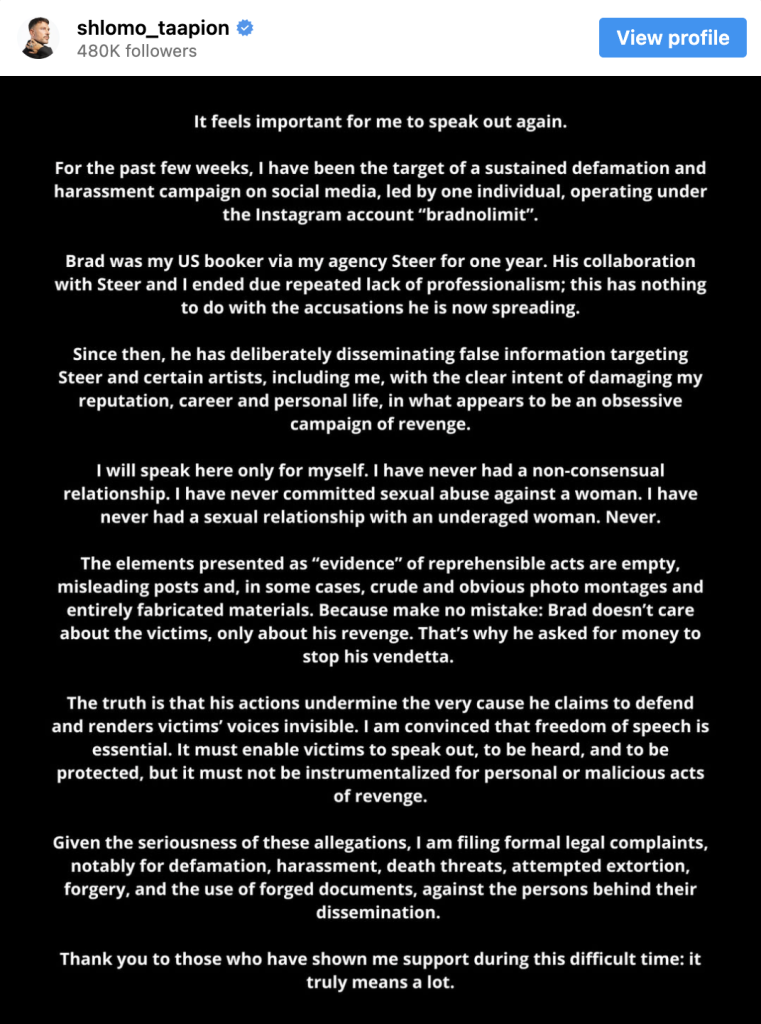
- Shlømo (France)
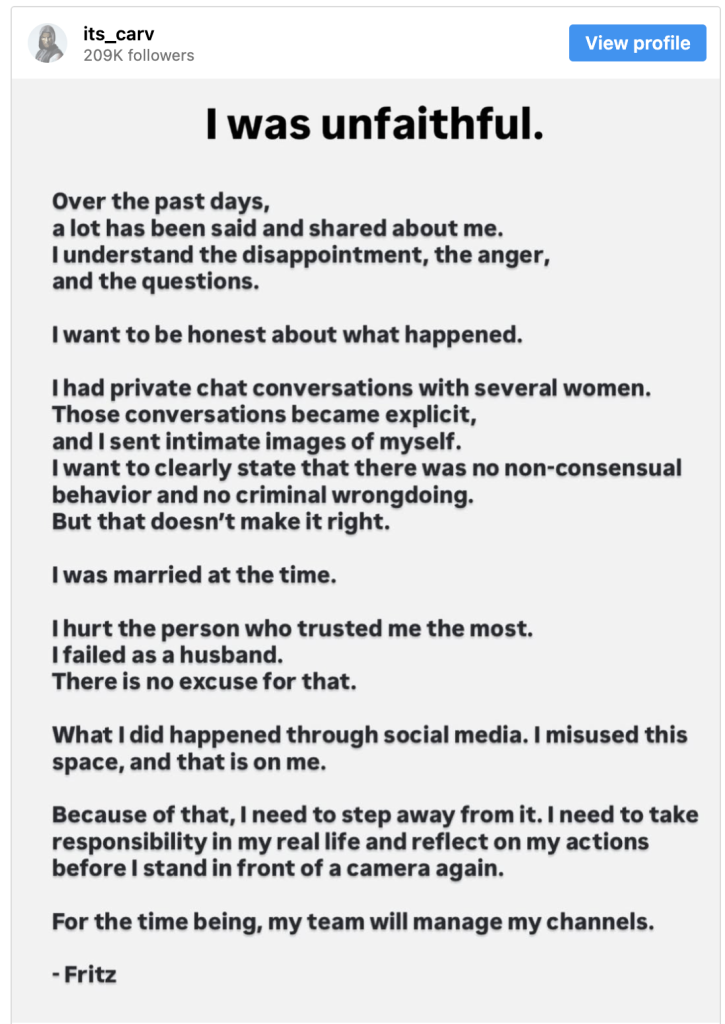
- CARV (Germany)
- Basswell (France)
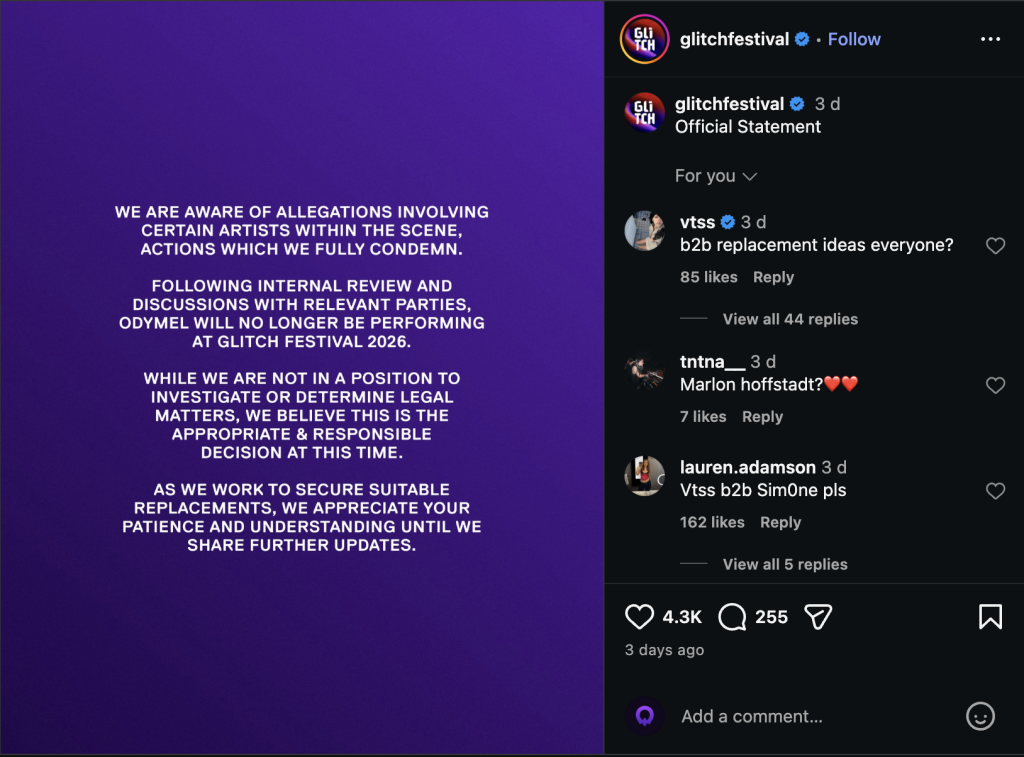
- Odymel (Belgium)
- Fantasm (US/France)
These names have appeared consistently across verified coverage. Mixmag also notes that accusations circulating online included claims of harassment, coercion and other inappropriate behaviour tied to some of these artists.
Festivals and Promoters That Pulled Artists
A wide range of events and promoters publicly confirmed the removal of hard techno DJs from their line-ups, including:
- Verknipt
- World Club Dome
- Open Beatz Festival
- Airbeat One
- Teletech
- Doof Music
- Respira Festival
- Glitch Festival
- Das Zimmer Mannheim
- Subvolt (India promoter cancellation)
In each case, organizers stated they were acting out of a duty of care, emphasising that no legal judgement had been made and that safeguarding their communities was the priority.
Agency Response: Steer Management Suspends Artists
Steer Management — the agency previously representing many of the implicated artists — confirmed that it had suspended collaborations with Shlømo, Basswell and CARV in light of the allegations. The agency did not initially name artists, but Steer’s statements were clearly tied to the situation.
Following Steer’s announcement, several artists formerly on its roster publicly announced their departure from the company, including William Luck, 6EJOU, Onlynumbers and Natte Visstick.
At the time of publishing, the agency’s roster was removed entirely from its website.
Responses from the Artists Involved
Some of the DJs named in the allegations have responded publicly:
- Shlømo dismissed the allegations as “slander and defamation” and indicated potential legal action.
- CARV admitted to infidelity and sending explicit materials to multiple women, but denied non-consensual or criminal behaviour.
- Odymel addressed claims by referencing a rare sleep-related condition called sexsomnia and said he had no recollection of some incidents, while cooperating with ongoing investigations.
- Fantasm denied the accusations against him, calling them untrue and defamatory.
- Basswell has not publicly responded to major media reports at the time of publication.
It’s important to note that none of these allegations have resulted in confirmed legal charges as of now, and discussions continue within the community about how to approach such claims responsibly.
A Wider Conversation: Safety, Consent and Culture
This incident has provoked a larger conversation beyond the affected artists themselves, touching on fundamental issues facing the electronic music scene:
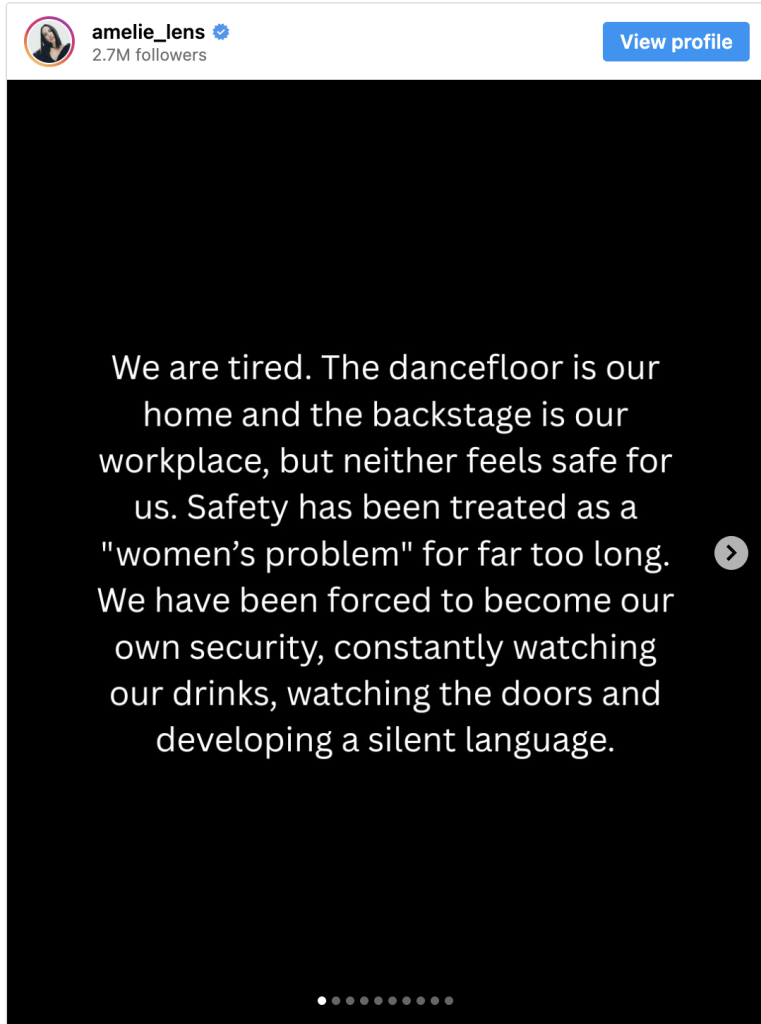
- Safety in nightlife and festival spaces
- Consent and power dynamics in DJ-fan interactions
- Industry accountability and reporting structures
- Support networks for victims of sexual misconduct
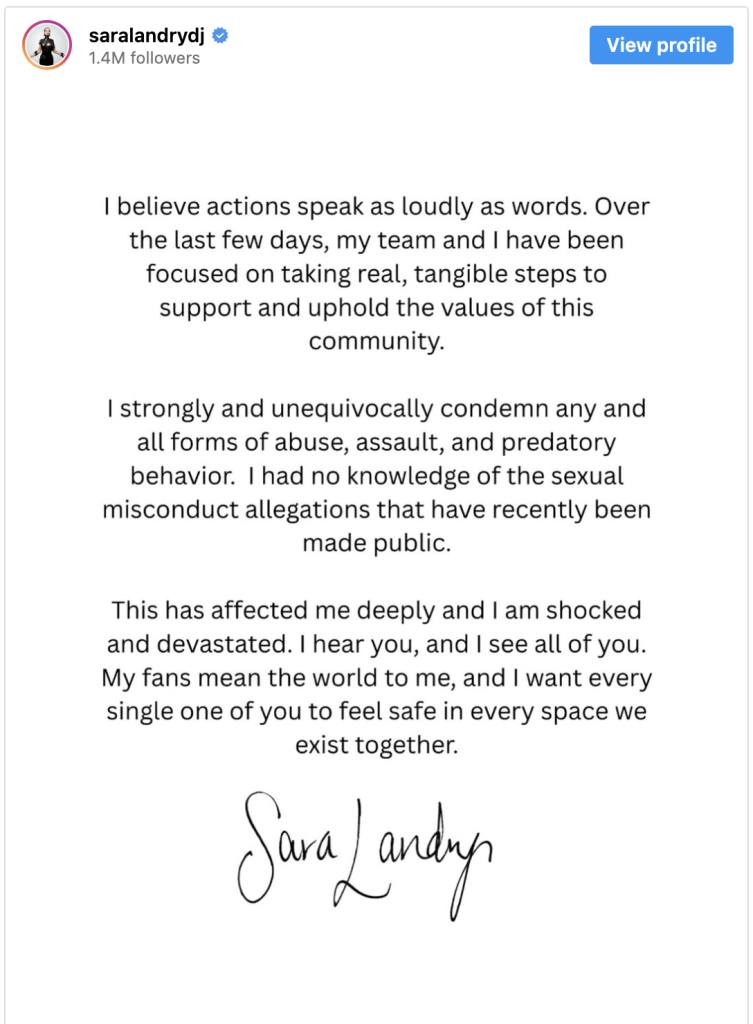
Leading figures in the electronic music world, including well-known DJs and producers, have publicly emphasised a need for cultures of respect, consent training and survivor-centred reporting mechanisms. These discussions echo broader movements within and outside music, such as #MeToo, and reflect growing demands for structural change rather than silence.
Why This Matters for Hard Techno
Hard techno is one of the most passionate and fast-growing subgenres in electronic music. Defined by its intense tempo, industrial sound design and underground ethos, the genre has seen exponential growth in recent years on festivals and club circuits across the world.
With increased visibility comes greater scrutiny — and as audiences hold artists and promoters to higher standards, situations like this test the resilience and self-regulation of the community.
Removing high-profile artists from lineups also has practical and economic consequences for festivals, promoters and fans, forcing changes to schedules, marketing and ticketing, all while drawing media attention.
The Role of Journalism and Responsible Reporting
News organisations such as DJ Mag, Mixmag, Euronews and Resident Advisor continue to cover the unfolding story as it develops, reiterating that allegations remain unproven without formal legal outcomes. ﹙See related coverage: multiple DJs removed amid accusations of sexual misconduct on Euronews.﹚
Responsible reporting plays a key role in informing festival-goers, supporters and industry stakeholders, while emphasising that due process and factual integrity are critical.
Looking Ahead: What’s Next
As this story evolves, several developments are likely to unfold:
- Further investigations — both internal and potentially legal
- Statements from more artists and agencies
- New protocols for festival vetting and conduct policies
- Broader industry discussions on consent education and safety frameworks
The hard techno scene — like many music genres — is navigating a pivotal moment where culture, respect and community standards increasingly intersect.
Conclusion
The removal of hard techno DJs from events due to allegations of misconduct is one of the most significant industry stories of 2026 so far. With several notable artists affected, festivals adjusting line-ups and agencies reassessing their rosters, the impact is being felt across the electronic music landscape.
Most importantly, this situation highlights an ongoing transformation in how nightlife communities deal with serious allegations — balancing ethical responsibility, fan safety and the rights of individuals amid social media amplification.
As details continue to emerge, the hard techno community — fans, artists, promoters and media alike — will be watching closely.
External References
- DJ Mag: Multiple hard techno DJs removed from events amid allegations — https://djmag.com/news/multiple-hard-techno-djs-removed-events-amid-allegations-of-sexual-misconduct
- Euronews coverage of removed DJs and industry reaction — https://www.euronews.com/2026/02/26/several-djs-removed-from-festival-line-ups-amid-accusations-of-sexual-misconduct
- Mixmag on the hard techno line-up changes — https://mixmag.net/read/hard-techno-misconduct-sexual-abuse-djs-shlomo-odymel-carv-basswell-fantasm-news