
Ghost Production | Custom Music for Artists
Ghost Production | Custom Music for Artists
The term ghost production has become increasingly prominent in the music industry, offering a discreet yet effective way for artists to release music without directly being involved in its creation. Historically rooted in classical music commissions, ghost production has evolved significantly, extending its influence from hip-hop to the electronic dance music (EDM) scene. As the industry continues to evolve in 2026, understanding the mechanics of ghost production is crucial for DJs, producers, and music labels.
In the early days, commissioning composers to create music was common among the aristocracy. Fast forward to the late 20th century, and we see a similar setup in hip-hop, where producers like Dr. Dre utilized a team of talented musicians to craft his signature sound. This approach was a precursor to the modern ghost production industry, where producers work behind the scenes to help artists achieve chart-topping success.
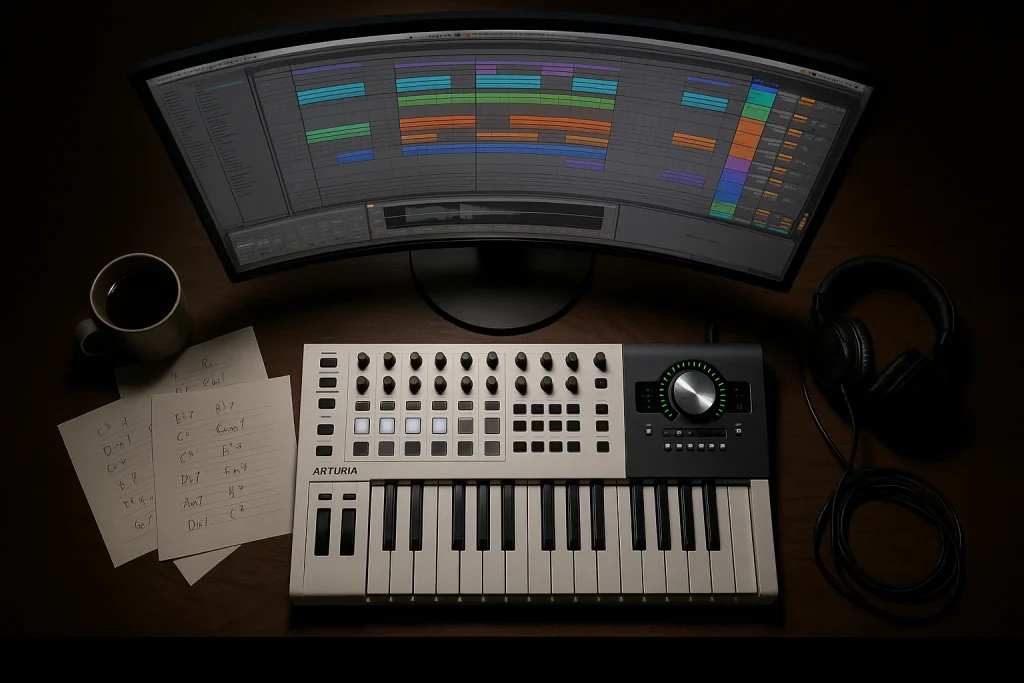
The EDM explosion in the 2010s marked a significant turning point for ghost production. Platforms like Beatport brought visibility to EDM tracks, many of which were ghost-produced. A closer look at the Beatport Top 100 reveals that a significant portion of these tracks were created by producers who remain anonymous. This model of production has been both celebrated and criticized, but its impact is undeniable.
The Economics of Ghost Production in the Streaming Era
The digital revolution and the rise of streaming platforms like Spotify for Artists have reshaped the economics of ghost production. Today, artists can rapidly distribute tracks to millions of listeners, increasing the demand for high-quality music that ghost producers can deliver efficiently. The model has shifted from physical sales to streaming royalties, benefiting both artists and ghost producers if agreements are structured correctly.
Ghost production operates on a flexible economic model where payment structures can vary. Some producers charge a flat fee, while others may negotiate a share of streaming revenues. This adaptability makes it an attractive option for artists seeking cost-effective ways to expand their discography without compromising on quality.
Legal Framework: Work-for-Hire vs. Rights Transfer
The legalities of ghost production often hinge on the distinction between work-for-hire and rights transfer. In a work-for-hire agreement, the artist retains full ownership of the track, with the ghost producer receiving a one-time payment. Alternatively, a rights transfer may involve the producer receiving ongoing royalties. Understanding these legal frameworks is crucial for both parties to ensure clear terms and prevent future disputes.
It’s worth noting that many ghost producers prefer the work-for-hire model for its upfront payment structure, allowing them to focus on volume and quick turnarounds. Meanwhile, rights transfer agreements can be more lucrative long-term but involve more complex negotiations.
Crafting a Ghost Production Brief
A successful ghost production begins with a clear and comprehensive brief. This document outlines the track’s intended style, influences, key, tempo, and specific elements the artist wishes to include. Clarity in the brief ensures that the producer can deliver a product that aligns closely with the artist’s vision.
Typical briefs might also specify technical details such as the desired mixdown quality and mastering preferences, ensuring the track is radio-ready upon delivery. Producers and artists must collaborate closely during this phase to mitigate misunderstandings and ensure a cohesive final product.
Turnaround Times and Quality Assurance
Turnaround times for ghost-produced tracks can vary significantly based on the complexity of the project and the producer’s workload. On average, a well-defined brief might allow a producer to complete a track in two to four weeks. However, rush jobs are possible with the right resources and may incur additional fees.
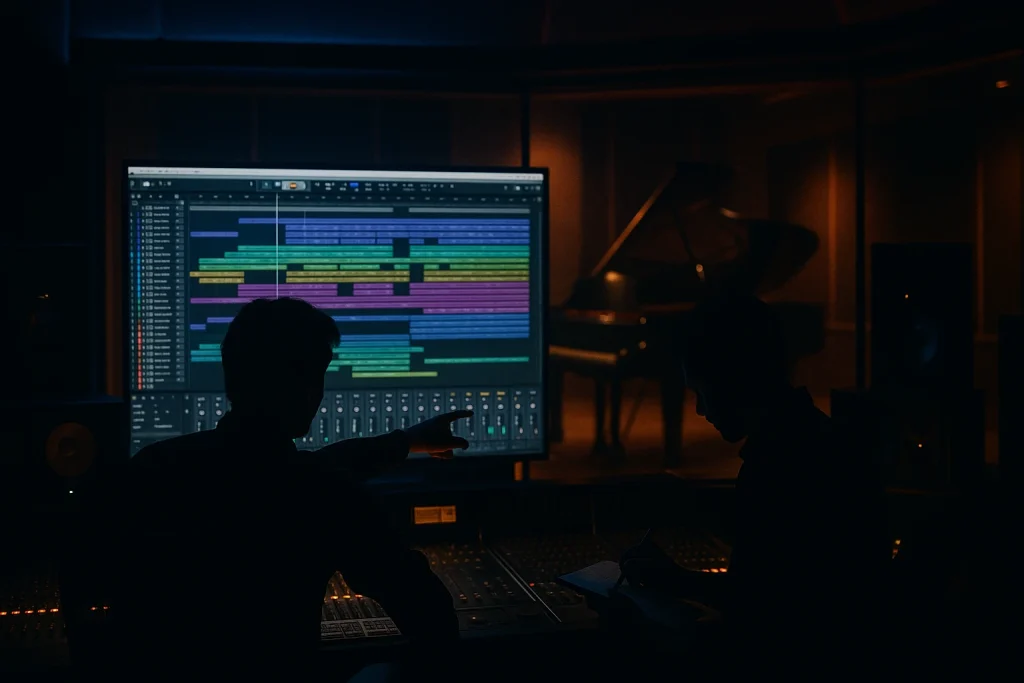
Quality assurance remains a priority throughout the production process. Many producers offer revisions to ensure the track meets the artist’s expectations. It’s not uncommon for producers to involve trusted peers to provide feedback, enhancing the track’s final quality.
Vetting Ghost Producers
Choosing the right ghost producer is critical. Artists often rely on recommendations, portfolio reviews, and sample tracks to vet potential producers. Platforms like SoundCloud and Splice offer producers the opportunity to showcase their work, making it easier for artists to find the right match for their musical style.
Additionally, checking a producer’s past work, genre specialization, and client testimonials can provide valuable insights into their reliability and creative prowess.
The Role of AI in Ghost Production
As we move further into 2026, AI’s role in ghost production is becoming more prominent. AI tools are now capable of generating musical ideas, creating stems, and even mastering tracks. While AI cannot yet replace the nuanced touch of human producers, it serves as a powerful tool for enhancing creativity and speeding up the production process.
The integration of AI also raises questions about originality and copyright, a topic explored in our legal guide on AI-generated music. As technology advances, the industry must navigate these complexities to maintain fair practices.
Conclusion: The Future of Ghost Production
Ghost production continues to be a vital part of the music industry, providing artists with the flexibility to release quality music while focusing on their brand and performances. Platforms like Mixmag and Resident Advisor frequently highlight the successes of tracks that owe their origins to ghost producers.
For those looking to explore this avenue, understanding the process, economics, and legalities is crucial. The Ghost Production offers resources for hiring a ghost producer and buying exclusive ghost-produced tracks, ensuring artists can make informed decisions and achieve their musical ambitions.
Frequently Asked Questions
What is the difference between ghost production and co-production?
Ghost production involves creating a track for an artist who takes full credit, often without public acknowledgment of the producer. Co-production, however, typically involves collaboration between multiple producers who may or may not share credit depending on the agreement.
How can I find a reliable ghost producer?
Searching through platforms like SoundCloud, reviewing portfolios, and seeking recommendations from industry peers are effective ways to find reliable ghost producers. Additionally, The Ghost Production provides vetted services to help artists find the right fit.
Is ghost production ethical?
Ghost production is deemed ethical as long as both parties agree to the terms and understand the nature of the agreement. Transparency and clear contracts help maintain ethical standards in these transactions.
How does AI influence ghost production?
AI enhances ghost production by providing tools for idea generation, composition, and mastering, increasing efficiency in the production process. However, it also introduces new considerations regarding creativity and copyright.
What should a ghost production contract include?
A ghost production contract should include details about payment, rights transfer, revision policies, delivery deadlines, and confidentiality agreements to ensure both parties’ interests are protected.
Last updated:
Ready to Scale Your Music Output?
Release more music, hit more deadlines, and build a stronger catalog — with professional ghost production that sounds exactly like you.