
Get a Track Produced – Professional Production
Get a Track Produced – Professional Production for DJs and Music Producers
In an era where electronic music dominates the global music scene, the need to produce professionally polished tracks is more crucial than ever. Whether you’re a DJ looking to expand your setlist with unique productions or a music producer aiming to elevate your craft, understanding the intricacies of professional track production is essential. This comprehensive guide will explore the various aspects of getting a track produced, providing insights into industry trends, technical details, and actionable strategies.
At the heart of professional track production lies the expertise of seasoned producers, state-of-the-art technology, and a nuanced understanding of current music trends. According to the International Federation of the Phonographic Industry (IFPI), electronic music accounted for approximately 15% of global music sales in 2025, highlighting its significant impact on the industry. As a result, the demand for high-quality production services has surged, with artists seeking to distinguish their sound in a crowded marketplace.
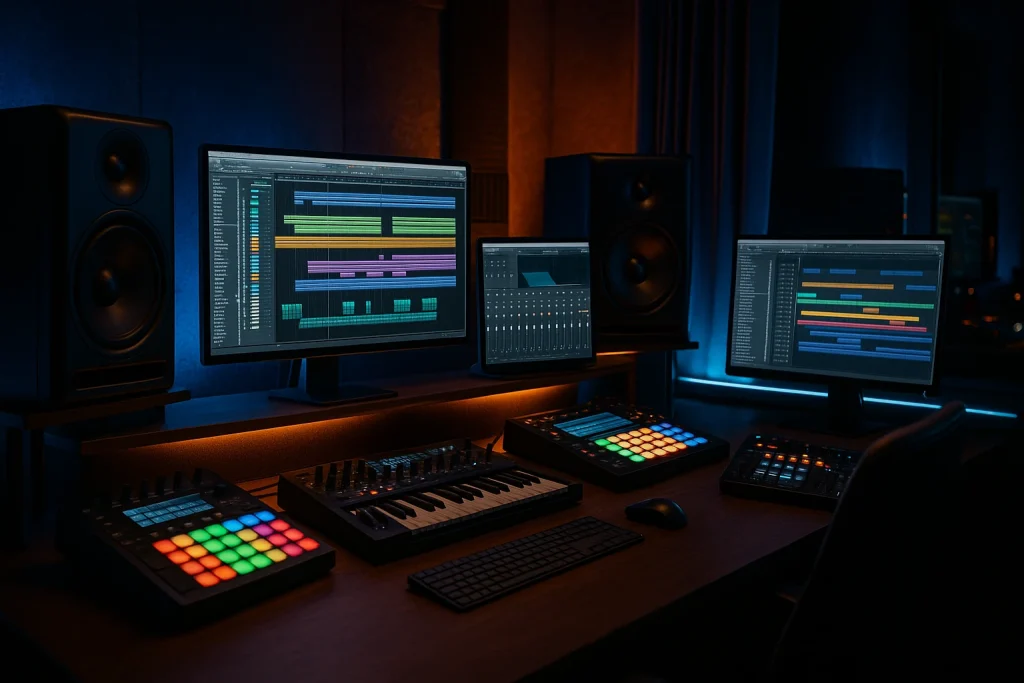
For DJs and artists, getting a track produced can mean the difference between a hit and a miss. The process involves collaboration, creativity, and often a financial investment. However, those willing to navigate this complex terrain are rewarded with tracks that not only captivate audiences but also enhance their professional portfolios. Let’s dive into what it takes to bring a musical idea to life through professional production.
The Evolution of Track Production
The history of music production is a testament to technological advancements and evolving artistic aspirations. From the analog studios of the 1970s to the digital workstations of today, the tools and techniques have continually evolved to meet the demands of innovative musicians. Notable producers like Quincy Jones and Giorgio Moroder laid the groundwork for modern production techniques, influencing generations of electronic music creators.
Today, digital audio workstations (DAWs) like Ableton Live and Logic Pro X dominate the landscape, offering extensive capabilities that were previously unimaginable. The accessibility of such tools has democratized music production, allowing aspiring producers to create professional-quality tracks from their own homes. Yet, the competitive nature of the industry means that achieving standout results often requires collaboration with experienced professionals.
Understanding the Track Production Process
The process of getting a track produced professionally involves several key stages, each critical to the final outcome. These stages typically include pre-production, composition, arrangement, mixing, and mastering. Let’s examine each phase in detail:
- Pre-production: This initial stage involves planning the track’s concept, style, and structure. It’s crucial to establish a clear vision and communicate it effectively to the production team.
- Composition: Creating the melody, harmony, and rhythm forms the backbone of the track. This phase often involves collaboration with songwriters and musicians to develop compelling musical ideas.
- Arrangement: Organizing the track’s elements to create a cohesive and dynamic listening experience. Attention to detail is key, ensuring each component complements the overall vision.
- Mixing: Balancing the individual elements of the track to achieve clarity and impact. This technical process often requires the skills of experienced mixing engineers.
- Mastering: The final polish that ensures the track sounds great on all playback systems. Mastering engineers use specialized equipment and software to enhance the track’s sonic qualities.
Each stage of production is crucial, and overlooking any aspect can compromise the track’s overall quality. Engaging with professional music production services can offer the expertise and resources needed to navigate this process effectively.
Choosing the Right Production Partner
Finding the right partner to produce your track is a critical decision. Whether opting for a ghost producer or collaborating with a production team, it’s essential to consider factors such as experience, style compatibility, and cost. Platforms like The Ghost Production offer a range of services, from custom track orders to co-production collaborations, catering to various needs and budgets.
When selecting a production partner, research is key. Examine their portfolio, past work, and client testimonials to gauge their capabilities. Additionally, clear communication about your artistic vision and goals will ensure alignment and a successful partnership.
Technical Considerations in Track Production
Technical expertise is a cornerstone of high-quality track production. Producers must be proficient in using DAWs, synthesizers, and effects processors, among other tools. They must also understand sound design principles to create unique and engaging sonic textures.
For example, the use of sidechain compression—a technique that creates a “pumping” effect—has become a staple in electronic music production. Understanding how to apply this technique effectively can enhance the energy and dynamics of a track. For more on this topic, explore our Sidechain Compression Guide.
Budgeting for Professional Track Production
Cost is a significant consideration when getting a track produced. Prices can vary widely depending on the complexity of the project and the reputation of the production team. On average, professional production fees can range from $500 to $5,000 per track, with top-tier producers commanding even higher rates.
| Production Tier | Average Cost | Included Services |
|---|---|---|
| Entry-Level | $500–$1,000 | Basic composition and mixing |
| Mid-Tier | $1,000–$3,000 | Advanced arrangement, mixing, and mastering |
| High-End | $3,000–$5,000+ | Full production, including session musicians and top engineers |
It’s important to balance your budget with your artistic goals. Investing in professional services can significantly enhance the quality and commercial potential of your music, ultimately contributing to your career growth.
Common Myths and Realities of Track Production
The world of music production is rife with myths and misconceptions. One common myth is that high-quality production can be achieved overnight. In reality, producing a professional track is a meticulous process that requires time, skill, and patience.
Another misconception is that expensive gear automatically results in better music. While high-quality equipment can enhance production, it’s ultimately the producer’s creativity and expertise that define a track’s success.
Leveraging Professional Services for Success
Professional production services offer invaluable support for artists looking to elevate their music. By collaborating with experienced producers, artists can focus on their creative strengths while leveraging technical expertise to achieve a polished final product.
Services like professional music production services provide comprehensive solutions, from initial composition to final mastering. These services can be tailored to meet individual needs, whether you’re seeking a completely original track or a remix of existing material.
Additionally, understanding the role of ghost production can be advantageous for artists juggling multiple commitments. For more insights, consider exploring how ghost production works and how it can serve your artistic vision.
Frequently Asked Questions
What is the first step in getting a track produced?
The first step is defining your artistic vision and goals for the track. This includes determining the style, mood, and target audience. With a clear concept, you can more effectively communicate your ideas to a production team.
How long does it typically take to produce a professional track?
The production timeline can vary based on the complexity of the project. Generally, it takes anywhere from several days to several weeks to complete a track, including all stages from composition to mastering.
Can I produce a track entirely on my own?
Yes, it’s possible to produce a track independently, especially with the accessibility of modern DAWs and production resources. However, collaborating with professional services can enhance the quality and commercial viability of your music.
How do I choose the right producer for my project?
Research potential producers by reviewing their portfolios and client testimonials. Consider their experience, style compatibility, and communication skills to ensure a successful collaboration.
What are the benefits of using ghost producers?
Ghost producers offer the expertise to create high-quality tracks while allowing artists to focus on other aspects of their career. This can be particularly beneficial for artists with demanding schedules or those looking to expand their musical repertoire quickly.
Last updated:
Ready to Scale Your Music Output?
Release more music, hit more deadlines, and build a stronger catalog — with professional ghost production that sounds exactly like you.