Key takeaways
- Club testing exposes arrangement and low-end problems faster than another night of solo mixing.
- References work best when they are loudness-matched and used as measuring sticks, not mood boards.
- Short edits, hook clips and extended mixes should be planned before release week.
- Analytics are more useful than compliments because they show saves, skips and repeat behavior.
- Custom production briefs work better with time-coded references, file requests and clear version naming.
Get more plays became less abstract for me at 1:18 a.m. in a 120-cap basement bar, with a 124 BPM demo loaded from Rekordbox onto a CDJ-3000 and a bassline that vanished the second the room filled up. I had been trying to get more plays by posting harder, not listening harder. The track looked fine in Ableton Live, and FabFilter Pro-Q 4 showed nothing criminal. Still, the DJ before me dropped a raw tech-house cut with a two-note hook, and my polished demo suddenly felt like wallpaper.
I drove home with the windows cracked, replaying the recording from my phone. The lesson was not glamorous. Plays came later, after I fixed the intro, shortened the first drop tease, printed better edits and stopped uploading tracks that had never survived a real speaker check.
The Room Taught Me How to Get More Plays
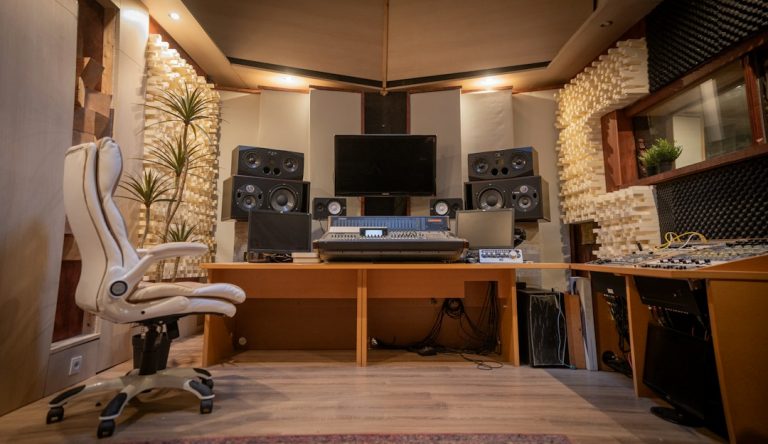
The basement bar had two slightly tired Pioneer CDJ-3000s, a DJM-900NXS2, and a booth monitor with a nasty bump around 160 Hz. That bump told the truth. My kick had weight on headphones, but the sub and bass were arguing down low, so the groove felt smaller than it was.
If you want to get more plays, start by proving the track outside your chair. Not after release day. Before. I do it with Rekordbox hot cues, three rough masters and one private SoundCloud link that only goes to two DJs who will not flatter me.
The private Rekordbox test
I now export a test master at -6 dB peak headroom before any final limiting, then load it into Rekordbox beside three references. On the CDJ waveform, I mark the first hook, the first full groove, the breakdown exit and the final clean mix-out. If the track takes 57 seconds to say anything, I cut it.
That night taught me get more plays starts with fewer dead bars. A DJ intro can be useful, but sixteen bars of filtered drums with no character is just delay dressed as structure.
What I listen for on a club system
I am not checking whether the track feels finished. I am checking whether a stranger would stay. The first minute has to survive cheap earbuds, a car stereo and a hard booth monitor. If the chorus idea only works when I stare at the Ableton arrangement, it is not ready.
- Kick and bass: the kick should not disappear when the bass opens.
- Hook timing: the main idea should arrive before attention drops.
- Mix-out: leave eight or sixteen clean bars for DJs.
A track can get more plays when the first listen does not ask for patience it has not earned.
- Test the track on at least one speaker system that scares you a little.
- Mark 4-bar phrases in Rekordbox before you decide the arrangement is done.
- Export a rough master before limiting so mix problems are easier to hear.
- Ask DJs for friction points, not compliments.
- Keep a phone recording from the room and listen the next morning.
Reference Tools Beat Guesswork Every Time
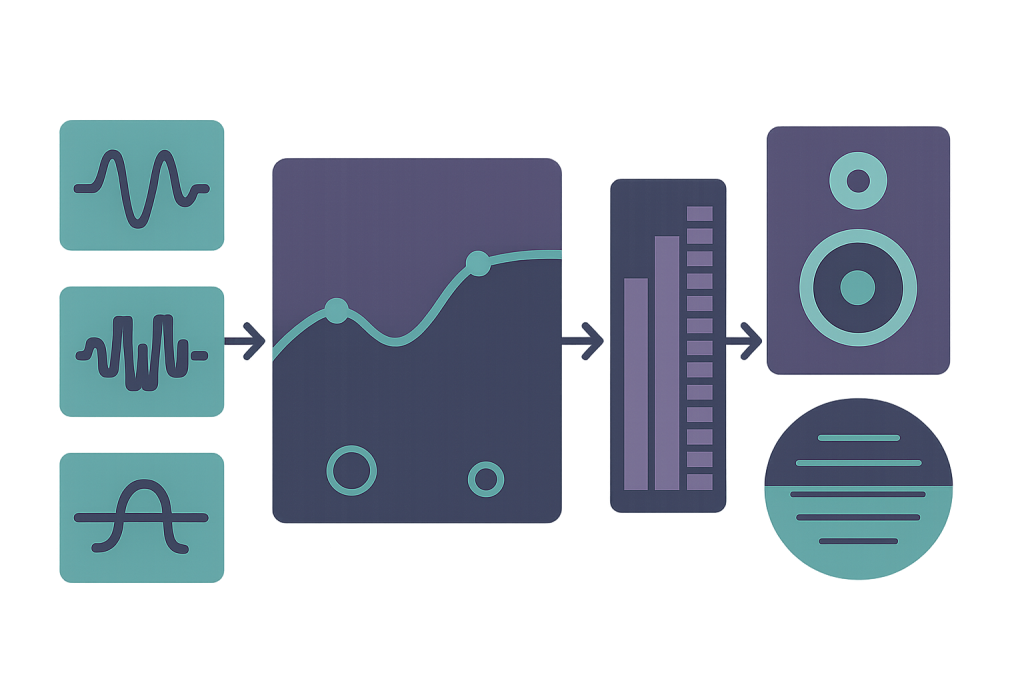
I used to treat references like mood boards. Bad move. A reference is a measuring stick. To get more plays, the track has to sit near the records your audience already trusts, without becoming a photocopy of them.
My usual chain is simple: Metric AB for fast switching, FabFilter Pro-Q 4 for correction, Soothe2 when a vocal or lead gets pokey, and Youlean Loudness Meter 2 to keep my master from chasing false volume.
How references helped me get more plays
One melodic house track I mixed last winter had a wide pad that felt expensive in solo. Against Ben Böhmer and Tinlicker references, it was stealing the middle from the lead. I used Pro-Q 4 in mid/side mode, cutting 2.5 dB at 380 Hz on the sides and easing a narrow bite around 3.2 kHz.
I used to think get more plays meant louder masters. The better answer was translation. When the chorus stopped fogging up the vocal, saves and repeat listens moved up before the public promo push even started.
The mix checks I do before mastering
Before I print anything, I bypass the limiter and check the groove at low volume. If the rhythm still makes sense at conversation level, the arrangement is doing work. If it falls apart, no limiter will save it.
For tracks meant to get more plays on playlists and DJ sets, I keep the low end boring in the best way. Mono below 120 Hz. Kick fundamental identified. Bass sidechain ducking timed to the groove, not slammed to death because a tutorial said so.
- Use Metric AB or a similar reference plugin instead of dragging files around manually.
- Check the low end in mono below 120 Hz.
- Leave roughly -6 dB of headroom before the final limiter stage.
- Use Soothe2 sparingly on harsh leads, vocals and resonant synth stacks.
- Compare at matched loudness so the louder file does not fool you.
Arrangement Tools That Make Strangers Stay
A track can sound expensive and still lose people by bar 33. That is the quiet killer for bedroom producers. The arrangement is polite, the mix is clean, and nothing grabs the listener quickly enough to help it get more plays.
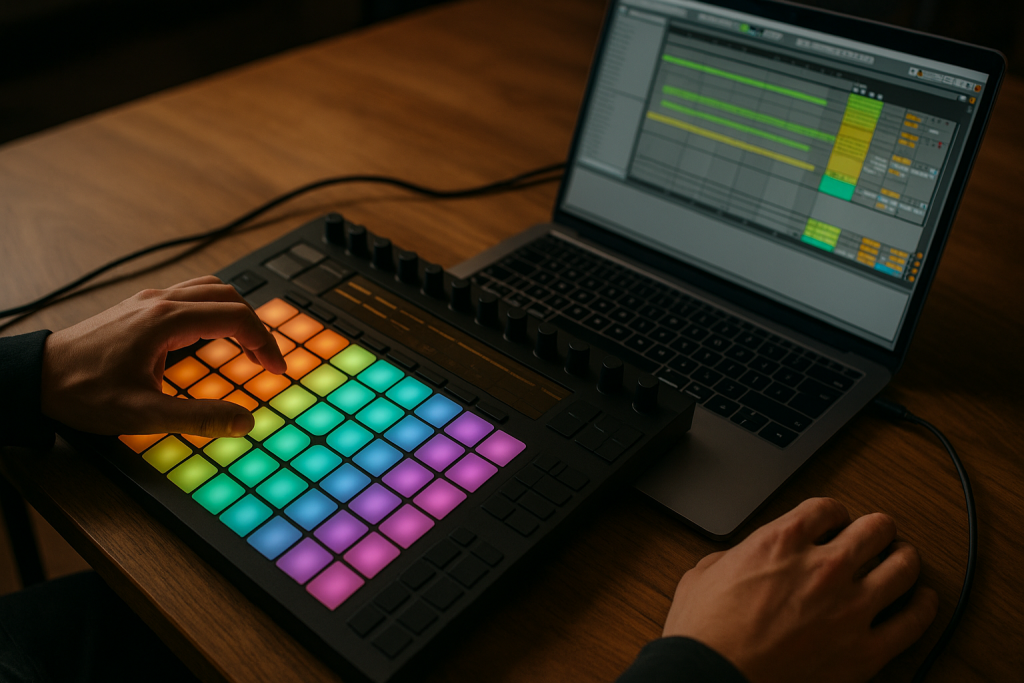
Ableton Live’s Arrangement View, Push 3 and simple locator naming changed how I finish music. I stopped thinking in long horizontal blocks and started thinking in decisions: hook, pressure, release, return.
Ableton locators keep me honest
I place locators every 8 or 16 bars and name them by function: drums only, bass tease, hook preview, first lift, main groove, break, final drop. If two neighboring sections do the same job, one goes. No ceremony.
On a recent afro house custom production draft, the vocal chant arrived at 1:12. It was the best part of the record, so I copied a two-beat slice into bar 9 with a filtered delay throw from EchoBoy. The client did not ask for that, but the edit made the track feel alive sooner.
Short edits are not throwaway edits
I print a DJ extended mix, a three-minute streaming edit and a 15-second hook export before release. That sounds fussy until a promoter asks for a reel clip, a label wants a private preview, and a DJ needs clean drums to mix in.
If the short edit cannot get more plays, the long edit probably has too much waiting inside it. The strongest section should work without the full runway.
- Build the streaming edit first, then extend it for DJs.
- Bring a recognizable hook or texture into the first 20 seconds.
- Cut any 8-bar section that repeats the previous section without adding pressure.
- Print a 15-second hook clip from the same master chain.
- Keep DJ intros functional, not empty.

Release Tools I Trust Before Upload Day
The worst upload I ever did was a Friday afternoon rush job from a coffee shop with bad Wi-Fi. Wrong artwork crop. Private link left disabled. The first email pitch had a streaming link that did not open on mobile. I was trying to get more plays and quietly blocking half the routes in.
Now I treat release tools like session gear. Boring setup, checked twice, no drama.
SubmitHub, Disco and the private-link test
SubmitHub is useful when the track has a clear lane. It is not magic. I only pitch after I can describe the record in one sentence without apologizing for it. Disco is cleaner for sending private promos to DJs, managers and label contacts because the files, credits and notes stay in one place.
Before a pitch goes out, I open every link on my phone using mobile data. If the recipient has to request access, download a strange app or guess which version is final, the track is already working uphill.
The asset folder that saves release week
I keep a release folder with the WAV master, instrumental, clean edit, extended mix, artwork, short bio, credits and three clips. For artists using ghost production or custom production, this folder matters even more because the handoff needs to be clean.
People get more plays when the track is easy to share. That does not mean spam. It means the DJ, curator or content editor can say yes without chasing missing files.
- Test private links on mobile data, not just your studio Wi-Fi.
- Keep WAV, 320 kbps MP3 and streaming preview versions labeled clearly.
- Write one plain-language sentence that explains the track’s lane.
- Prepare 9:16, 1:1 and 16:9 visual clips before release week.
- Send fewer pitches with better fit.

Analytics Tools That Tell the Truth
Release day feels loud. Notifications, comments, reposts, the little dopamine spikes. Then the dust settles, and the useful part begins. Spotify for Artists, SoundCloud Insights, YouTube Studio and Chartmetric show whether people actually returned.
I do not open analytics to punish myself. I open them to find the next move. A producer who wants to get more plays needs feedback that is colder than a mate’s group chat.
Saves beat vanity numbers
A track with 2,000 plays and 180 saves is healthier than a track with 12,000 plays and nobody coming back. I look at save rate, playlist adds, completion clues and where the drop-off happens. If listeners leave before the hook, that is arrangement feedback, not marketing failure.
One garage-influenced single taught me this the hard way. The intro was moody and clever. Analytics showed a dip around 23 seconds. I moved the vocal chop forward in the follow-up edit, and the skip curve softened.
What I change after the numbers land
I keep a release notebook with three columns: what worked, what dragged, what I will test next. If a track gets traction from DJ clips rather than playlist adds, the next release gets a stronger extended mix and cleaner drums up front.
Trying to get more plays without reading analytics is like mixing without meters. You can do it, but you will repeat avoidable mistakes.
- Track saves and repeat listens before celebrating raw play count.
- Check where listeners drop off in video and audio analytics.
- Compare cities, playlists and traffic sources after the first two weeks.
- Use comments for language, not strategy.
- Let one release teach the next one.

Custom Production Files That Travel Well
When an artist brings me a ghost production or custom music production brief, I listen less to adjectives and more to references. Dark, warm and energetic can mean ten different things. A YouTube link at 1:04 tells me more.
Artists trying to get more plays should ask for files that travel across the whole campaign, not just a stereo master. The track has to move from studio to club to short-form clip to label inbox without falling apart.
The brief decides the tool chain
For a peak-time techno brief, I might start in Ableton with Drumazon 2, a Rytm-style kick chain, Pro-Q 4 and Decapitator on parallel drive. For melodic house, I am more likely to reach for Diva, Omnisphere and Valhalla VintageVerb, then keep the low end cleaner than the demo suggests.
The goal is not to copy references. The goal is to make something that feels credible beside them. That credibility helps a track get more plays because it does not sound like an outsider trying on a costume.
Files I would always request
If someone else is producing or finishing the record, ask for more than the master. Stems, MIDI where possible, dry vocals, wet vocals, instrumental, acapella, radio edit, extended mix and a basic mix note sheet can save weeks later.
Good files protect the release. They also let the artist react when a label asks for a shorter intro, a DJ wants an instrumental, or a video editor needs a clean hook without the full drop.
- Send three references and explain one useful detail from each.
- Ask for extended, radio, instrumental and hook-clip exports.
- Request stems with effects printed and dry versions where possible.
- Keep tempo, key and version numbers in every file name.
- Make sure the master is not the only usable asset.
| Tool | Where I Use It | Why It Helps | My Take |
|---|---|---|---|
| Rekordbox with CDJ-3000 testing | Club-test prep and phrase checking | Shows whether the intro, cue points and mix-out actually work for DJs | Non-negotiable for dance records |
| FabFilter Pro-Q 4 | Corrective EQ and mid/side cleanup | Clears space for hooks, vocals and low end without wrecking tone | Fastest fix for translation problems |
| Metric AB | Reference matching inside the mix session | Keeps loudness bias from lying to you | Use it before the limiter |
| SubmitHub | Curator and blog pitching | Works when the genre fit and one-sentence pitch are clear | Useful, but only after the track is ready |
| Spotify for Artists | Post-release reading | Reveals saves, playlist movement and listener locations | Better than guessing from comments |
| Disco | Private promo delivery | Keeps masters, notes, artwork and credits tidy for recipients | Cleaner than random file links |
Further reading
- Ableton Live manual — Official documentation for Ableton Live arrangement, export and workflow features mentioned in the article.
- Spotify for Artists — Primary source for Spotify analytics, playlist data and artist release insights.
Frequently asked questions
How long does it take to get more plays on a new track?
Most tracks need a few weeks of testing, pitching and follow-up before the useful signals appear. I watch the first 48 hours for broken links and early reaction, then the first two to four weeks for saves, repeat listens, playlist adds and DJ support.
Do better mixes really lead to more streams?
Yes, but not because listeners admire your EQ curve. Better mixes translate faster on phones, cars, clubs and earbuds. If the vocal is clear, the kick holds together and the hook lands early, people are less likely to skip before the track has a chance.
Should I release an extended mix or only a short streaming edit?
For dance music, I want both. The short edit helps casual listeners and content clips. The extended mix helps DJs, radio-style guest mixes and promo pools. Build the short edit first so the song works quickly, then extend it with practical intro and outro sections.
Is SubmitHub worth using for electronic music?
SubmitHub can be worth using if the track has a clear genre lane and the curator list is chosen carefully. It falls flat when producers blast every outlet with a vague pitch. I treat it as one route, not the whole campaign.
Can a ghost produced track still build my artist profile?
Yes, if the track fits your taste, your DJ sets and your release plan. The danger is buying a record that sounds disconnected from everything else you do. A strong brief, proper rights, stems and custom edits make the release feel like part of your catalog.
What should I check before uploading to Spotify or SoundCloud?
Check the final master, artwork crop, artist name spelling, credits, private links, loudness, file names and mobile playback. I also test the first 30 seconds on earbuds. Many listeners decide quickly, so do not leave the best idea buried too late.
Conclusion
The tools are not the story by themselves. Rekordbox, Pro-Q 4, Metric AB, SubmitHub and Spotify for Artists only help when they push better decisions into the record. The basement-bar lesson still sits in my head: a track is not ready because the project file looks tidy. It is ready when the hook arrives soon enough, the low end holds together, the files are easy to share and the numbers teach something useful after release.
If the goal is to get more plays, open your next session and run one honest test. Move the hook earlier. Compare against a real reference. Print the short edit. Send a private link to one DJ who tells the truth.
Get more plays — Quick Recap
The fastest way to lock in get more plays is to internalise the workflow above and repeat it on every project. Start small: pick one technique from this get more plays guide, apply it to your next session, and audit the result against a reference track.
- Club testing exposes arrangement and low-end problems faster than another night of solo mixing.
- References work best when they are loudness-matched and used as measuring sticks, not mood boards.
- Short edits, hook clips and extended mixes should be planned before release week.
- Analytics are more useful than compliments because they show saves, skips and repeat behavior.
Treat get more plays as a habit, not a one-off — the producers who consistently nail get more plays are the ones who run the same checks on every track. That’s the difference between a clean, club-ready master and a track that sounds great at home but falls apart on a real system.
In a real studio session, get more plays comes down to the order in which you make decisions: reference first, gain stage second, then the creative work. Producers who treat get more plays as a checklist instead of a vibe end up shipping more tracks.
Most producers and DJs undervalue get more plays because the wins are invisible until the track plays back on a real system. Bake get more plays into your template and the next ten projects benefit automatically.
When you struggle with get more plays, the fix is rarely a new plugin. Loop a problem section, A/B against a reference, and isolate which element is breaking your get more plays.
Treat get more plays as a craft, not a chore. The producers releasing on the biggest labels lock get more plays in early so they can spend their energy on melody and arrangement instead of fighting the mix.
My Career makes videos from your own track and posts them for you, pitches your release to 34,000+ labels, playlists, radio stations, YouTube channels and blogs, puts it in every store and briefs you every morning. Free plan, no card, two minutes to set up.