
Electronic Music Production – Professional EDM Production
Electronic Music Production: Professional EDM Production
Electronic music production has become an integral part of the global music industry, offering a dynamic fusion of technology and creativity. Whether it’s house, techno, or mainstream EDM, the landscape of electronic production has evolved, leveraging advanced software and hardware to create soundscapes that define contemporary music experiences. For both aspiring and established artists, understanding the nuances of electronic music production is crucial to crafting standout tracks and remixes.
The roots of electronic music can be traced back to the late 19th century, but it wasn’t until the 1980s that it began to dominate the dance floors. Artists like Kraftwerk and Giorgio Moroder paved the way with their innovative use of synthesizers and drum machines. Fast forward to 2026, and the electronic music scene is more vibrant than ever, with producers like Calvin Harris, Diplo, and Charlotte de Witte leading the charge with cutting-edge tracks that push the boundaries of sound design.
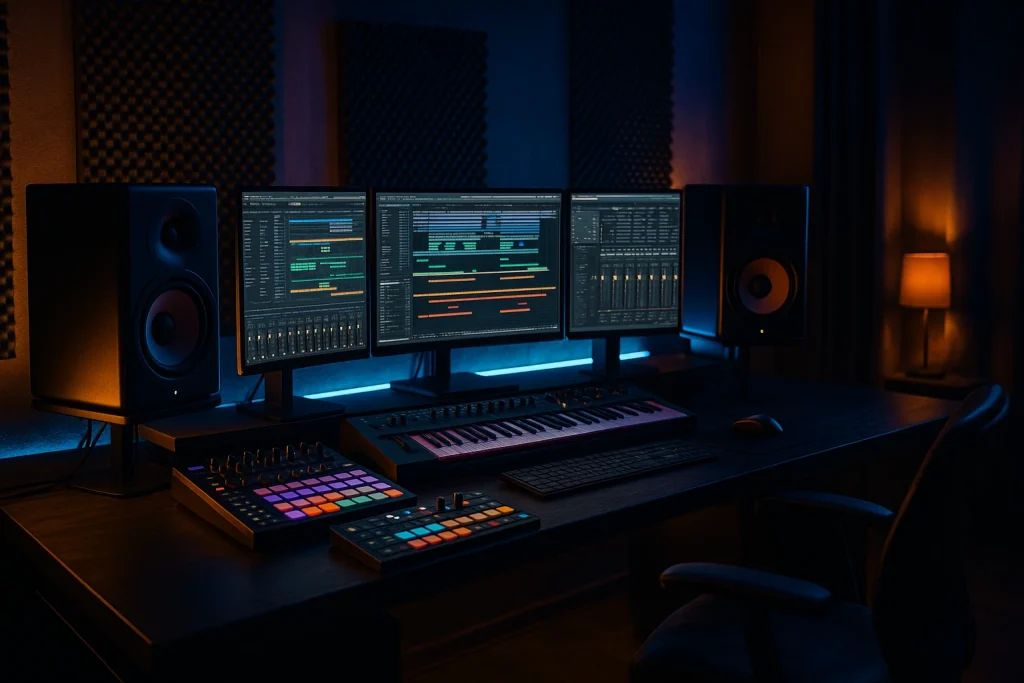
Statistics show that electronic music accounts for about 20% of the global music market, a testament to its widespread appeal. Platforms like Beatport and SoundCloud have been pivotal in promoting electronic genres, offering a space for producers to disseminate their work to a global audience. In this article, we delve into the essential aspects of electronic music production, offering expert tips, historical context, and actionable advice for DJs and producers.
The Evolution of Electronic Music Production
Electronic music has undergone significant transformations since its inception. The advent of digital audio workstations (DAWs) revolutionized production, allowing artists to compose, edit, and arrange music with unprecedented ease. Software such as Ableton Live, FL Studio, and Logic Pro X has become industry standards, offering powerful tools for sequencing and sound manipulation.
Technological advancements have also led to the rise of virtual instruments and effects, enabling producers to emulate vintage gear and experiment with new sonic textures. The incorporation of AI in music production is a recent development, with tools like Splice’s machine learning-driven sound recommendations enhancing creative workflows. For more insights into the role of AI, check out our dedicated article on AI in Music Production.
Core Components of Electronic Music Production
At its core, electronic music production involves several key components: sound design, arrangement, mixing, and mastering. Sound design is the art of creating unique audio elements, often through synthesis and sampling. This stage is where producers can showcase their creativity, crafting the distinctive sounds that define their tracks.
Arrangement involves structuring these elements to form a coherent musical narrative. Successful arrangements often follow the tension and release model, a concept detailed in our guide to building drops in EDM. Mixing and mastering are the final steps, ensuring that each track is sonically balanced and polished for release.
Notable Producers and Their Techniques
Several producers have left an indelible mark on the electronic music landscape, each bringing unique techniques to the table. Deadmau5, for instance, is renowned for his meticulous approach to sound design, often using complex signal routing and modular synthesis. Skrillex, on the other hand, revolutionized dubstep with his aggressive basslines and intricate percussion patterns.
For DJs and producers looking to hone their skills, studying the works of these artists can provide valuable insights. Platforms like Resident Advisor and Mixmag offer interviews and breakdowns of popular tracks, serving as educational resources.
Technical Tools and Resources
In 2026, the array of tools available to electronic music producers is vast. DAWs remain at the center of production, but the ecosystem has expanded to include a plethora of plugins, sample libraries, and online services. Resources like Splice offer a massive library of royalty-free samples and presets, enabling producers to find the perfect sounds for their projects.
Additionally, platforms such as Spotify for Artists and Apple Music for Artists provide invaluable data insights, helping artists understand their audience and optimize their release strategies. To further enhance your production workflow, consider exploring our Sound Design Workflow guide.
Myths and Realities of Electronic Music Production
Several myths surround electronic music production, often perpetuated by misconceptions about the creative process. One common myth is that high-quality production requires expensive equipment. In reality, many successful producers started with minimal setups, focusing on creativity and skill development rather than gear acquisition.
Another misconception is that electronic music lacks musicality. While it is true that some tracks prioritize rhythm and energy over melody, producers like Avicii and Daft Punk have demonstrated that electronic music can be both complex and melodically rich.
Actionable Tips for Aspiring Producers
For those looking to break into electronic music production, the journey can be both rewarding and challenging. Here are some actionable tips:
- Start Simple: Focus on mastering a single DAW and a few essential plugins before expanding your toolkit.
- Learn Sound Design: Understanding synthesis and sampling can significantly enhance your creative capabilities.
- Network: Engage with other producers, join forums, and attend industry events to build connections and gain insights.
- Practice Regularly: Consistent practice is key to developing your skills and finding your unique sound.
For those looking to expand their professional offerings, consider leveraging services such as The Ghost Production for music production services and exclusive tracks. These resources can help you scale your output and maintain a competitive edge in the industry.
Frequently Asked Questions
What is the best DAW for electronic music production?
There isn’t a one-size-fits-all answer, as the best DAW depends on personal preference and workflow. Ableton Live, FL Studio, and Logic Pro X are popular choices among electronic music producers.
How can I improve my mixing skills?
Improving mixing skills involves practice and education. Consider taking online courses, analyzing professional mixes, and experimenting with different techniques to find what works best for your style.
Is it necessary to know music theory?
While not mandatory, understanding music theory can enhance your composition skills and help create more compelling tracks. Many successful producers have a basic grasp of theory.
How do I market my music effectively?
Utilize social media, collaborate with other artists, and engage with your audience through platforms like SoundCloud and Spotify. For a comprehensive strategy, refer to our guide on how to market yourself as a music producer.
Can I make a living from electronic music production?
Yes, many producers make a living from music production, though it often involves multiple income streams like performances, licensing, and selling tracks. Explore different revenue avenues, and be adaptable to changes in the music industry.
Last updated:
Ready to Scale Your Music Output?
Release more music, hit more deadlines, and build a stronger catalog — with professional ghost production that sounds exactly like you.