
What BPM for House Music? – Tempo Guide
What BPM for House Music? – Tempo Guide
House music has long captivated DJs and producers with its infectious grooves and rhythmic complexity. Emerging from the vibrant clubs of Chicago in the early 1980s, house music quickly spread worldwide, becoming one of the most influential genres in the electronic music landscape. If you’re diving into the world of house music, understanding the appropriate BPM (beats per minute) for different sub-genres is crucial for crafting the perfect set or track.
Influential figures like Frankie Knuckles, Larry Heard, and Ron Hardy were instrumental in shaping the sound of house music at iconic venues like The Warehouse. From these roots, house music has evolved into numerous sub-genres, each with its unique tempo and style. This guide will explore the BPM ranges for various house sub-genres, delve into production techniques, and examine how artists like Fisher and Fred again.. have pushed the genre forward.
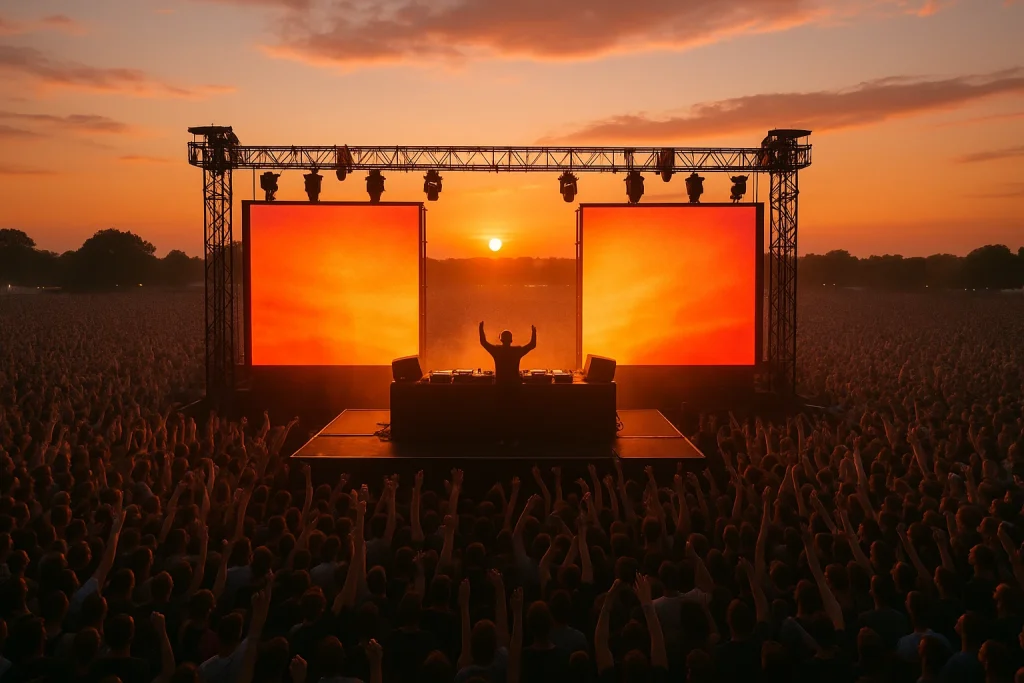
Whether you’re a seasoned DJ or just starting, understanding the tempo of house music can help you create more dynamic sets, enhance your production skills, and better connect with your audience. Let’s explore the tempo ranges and production fundamentals of house music in detail.
The Origins of House Music: Chicago Roots
The story of house music begins in Chicago, where pioneering DJs like Frankie Knuckles, often hailed as the “Godfather of House,” began experimenting with disco tracks by adding drum machines and synthesizers. This innovative approach created a new sound that resonated with audiences at clubs like The Warehouse, where Ron Hardy and Larry Heard also played pivotal roles in shaping the house music scene.
By blending elements of disco, electronic, soul, and funk, these artists laid the groundwork for what would become a global movement. Their influence can still be felt today, as house music continues to evolve and inspire new generations of producers and DJs.
Understanding BPM in House Music
House music typically ranges from 115 to 130 BPM, though this can vary depending on the sub-genre. Understanding the BPM range is essential for DJs when mixing tracks or producers creating new music. Here is a breakdown of the BPM ranges for various house music sub-genres:
| Sub-Genre | BPM Range | Key Characteristics |
|---|---|---|
| Deep House | 120-125 BPM | Smooth, melodic, and soulful with a focus on basslines |
| Tech House | 120-130 BPM | Minimalistic, with techy elements and steady grooves |
| Afro House | 115-125 BPM | Incorporates African rhythms and percussion |
| Progressive House | 125-128 BPM | Layered, evolving tracks with build-ups and drops |
| Melodic House | 120-128 BPM | Emotional melodies combined with driving rhythms |
Each sub-genre offers a distinct vibe that can be leveraged to create different moods on the dance floor. Understanding these nuances is key to delivering a memorable DJ set or crafting impactful tracks.
Production Fundamentals of House Music
At the core of house music production are several key elements that define its sound. The iconic “four-on-the-floor” kick drum pattern is one of the most recognizable features, providing a steady, danceable rhythm. Off-beat hi-hats and claps often complement this pattern, adding energy and movement to the track.
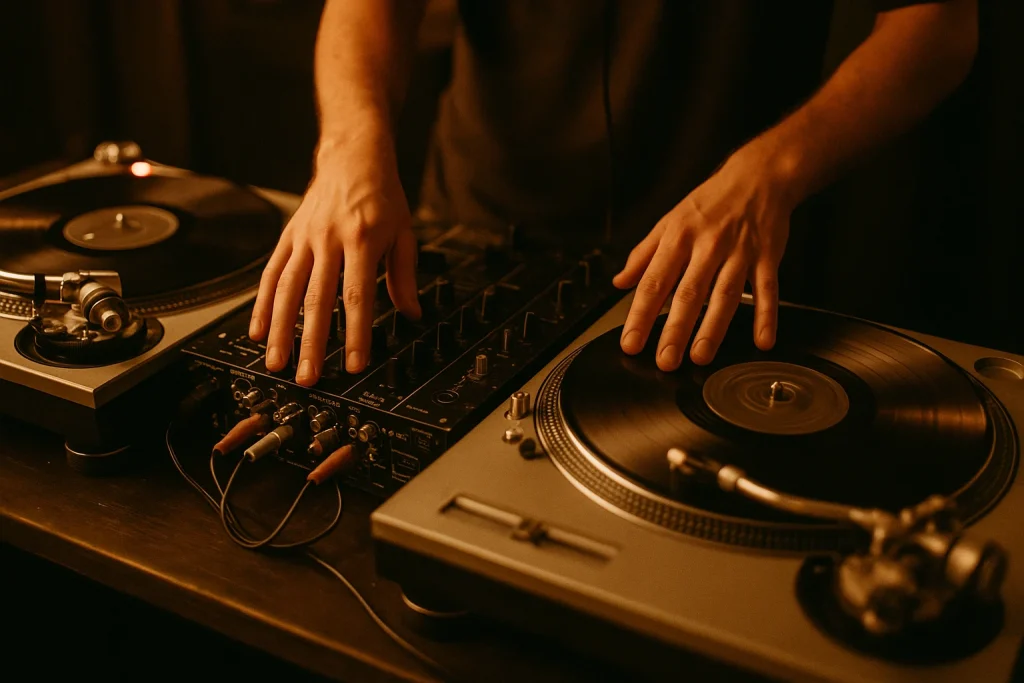
Another hallmark of house music is its use of soulful chord progressions. These progressions, often played on synthesizers or sampled from older records, bring a sense of warmth and emotion to the music. Additionally, basslines in house music are crucial for driving the energy and groove of the track. For those looking to create their own house music, understanding these production basics is essential. You can explore detailed guides on how to make house music for a deeper dive into the process.
The Role of Defected Records
Defected Records has been a significant player in the house music scene since its inception in 1999. The label revolutionized the business model by focusing on quality releases and fostering a strong community of artists and fans. Defected’s influence extends beyond just music; their events and festivals have become a staple for house music enthusiasts worldwide.
Through strategic partnerships and a keen ear for talent, Defected has helped bring house music to the forefront of the global electronic music scene. Their approach has inspired countless other labels and artists to embrace innovation and community engagement.
Current Market Leaders in House Music
The house music scene in 2026 is vibrant and diverse, with artists like Fisher, Chris Lake, and Fred again.. leading the charge. These artists have successfully blended organic and electronic elements, creating tracks that resonate with audiences across the globe.
Fisher’s infectious energy and catchy hooks have made him a household name, while Chris Lake’s innovative production techniques continue to push the boundaries of tech house. Fred again.. has captivated audiences with his unique approach, blending live instrumentation with electronic beats to create emotionally resonant tracks.
For DJs looking to incorporate the latest house music trends into their sets, keeping an eye on these market leaders is essential. Platforms like Beatport and Resident Advisor are great resources for discovering new releases and staying updated on industry trends.
Choosing the Right Tempo for Your DJ Set
When crafting a DJ set, selecting the right tempo is crucial for maintaining energy and flow. Understanding the BPM range of your chosen tracks can help you create seamless transitions and build a cohesive set. For instance, starting with a deep house track at 120 BPM and gradually increasing the tempo can create an engaging journey for your audience.
For those new to DJing, learning how to build a DJ set list is a valuable skill. Resources like how to build a DJ set list can offer guidance on selecting tracks and organizing your music library.
Leveraging Ghost Production for Unique Tracks
To stand out in the competitive world of DJing, having access to exclusive tracks can be a game-changer. Ghost production services, such as those offered by The Ghost Production, allow DJs to customize tracks that align with their brand and style. Whether you’re looking to enhance your set with unique tracks or need professional assistance in production, exploring options like hire a ghost producer or buy exclusive ghost-produced tracks can provide a competitive edge.
Frequently Asked Questions
What BPM should I use for deep house tracks?
Deep house usually ranges from 120 to 125 BPM. This tempo allows for smooth, melodic transitions and is ideal for creating a laid-back, atmospheric vibe.
How can I find new house music tracks for my DJ sets?
Platforms like Beatport and SoundCloud are excellent resources for discovering new house music releases. Additionally, exploring record labels like Defected Records can provide access to quality tracks.
What are some key production techniques for house music?
House music often features a four-on-the-floor kick drum pattern, off-beat hi-hats, and soulful chord progressions. Understanding these techniques can help you create authentic and engaging house tracks.
How has Defected Records influenced the house music scene?
Defected Records has played a pivotal role in the house music scene by focusing on high-quality releases and fostering a global community of fans and artists. Their events and festivals have become major attractions for house music enthusiasts.
What are the benefits of using ghost production services?
Ghost production services provide DJs with exclusive, custom tracks that can set them apart from the competition. These services offer professional production assistance and unique content tailored to your specific style and brand.
Last updated:
Stand Out From Every Other DJ
The DJs who get booked and remembered play music nobody else has. Commission exclusive ghost-produced tracks and edits made specifically for your sound.