
How to Transition Between Songs – DJ Transitions
How to Transition Between Songs – DJ Transitions
In the world of DJing, mastering how to transition between songs is a fundamental skill that separates the amateur from the professional. Whether you’re mixing at a bustling club or streaming a set online, seamless transitions can elevate your performance and keep the dancefloor moving. As of 2026, with the explosion of electronic dance music (EDM) and the proliferation of digital platforms, understanding the nuances of transitioning is more vital than ever.
From beatmatching to harmonic mixing, DJs have a diverse toolkit at their disposal. Success in DJing often hinges on mastering these techniques and knowing when and how to apply them. As we dive into different methods and their applications, we’ll also debunk myths and share expert tips to enhance your DJ sets. If you’re looking for custom tracks to complement your mixing skills, The Ghost Production offers exclusive tracks for DJs that can set you apart.
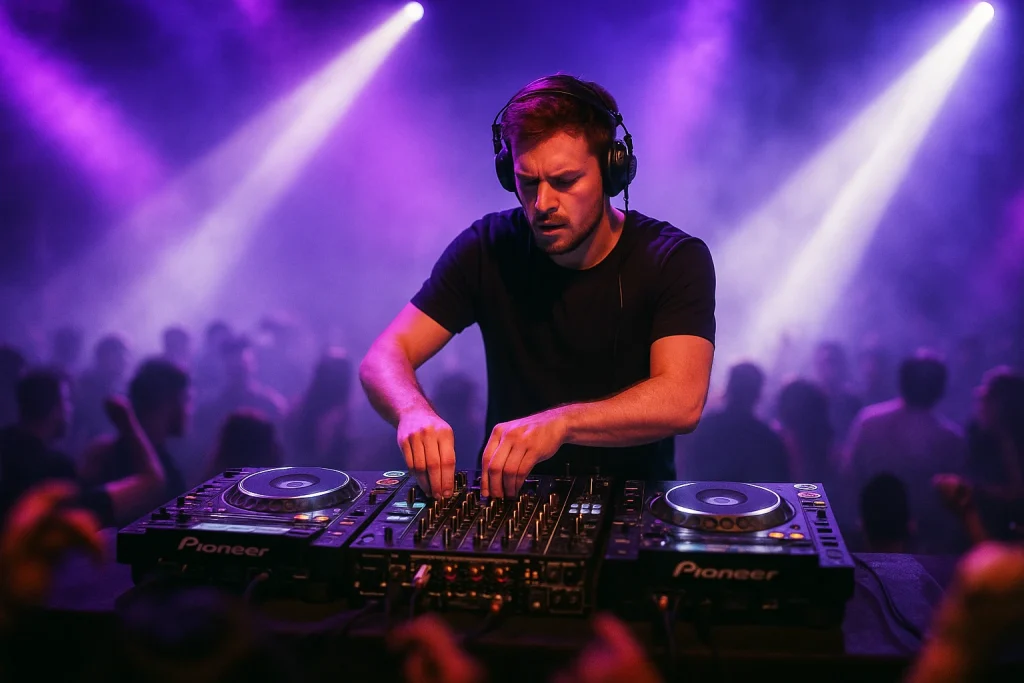
Understanding Beatmatching and Phrase Alignment
Beatmatching is the cornerstone of any DJ’s skill set. It involves synchronizing the tempo of two tracks so they can be played seamlessly together. In recent years, software like Rekordbox and Serato has made beatmatching more accessible, but the art lies in the details. Human touch and intuition still outperform automated systems in creating memorable transitions.
Phrase alignment, on the other hand, ensures that the musical phrases of both tracks align perfectly. This technique allows DJs to maintain the musical structure, avoiding awkward or abrupt changes. Many DJs use a standard of 4 or 8-bar phrases as a guideline when transitioning, ensuring a smooth and coherent flow.
Practicing Beatmatching
Practicing beatmatching involves more than just syncing BPMs. It’s about feeling the rhythm and predicting changes in the music. DJs often practice with a variety of genres to develop a versatile skill set. For those new to the craft, our DJ Beatmatching Guide provides a detailed walkthrough on mastering this essential technique.
Harmonic Mixing: The Science of Sound
Harmonic mixing, or key mixing, is a technique that involves mixing tracks that are in compatible keys. This method enhances the musicality of the transition, creating a more pleasing experience for the audience. Software tools like Mixed In Key have popularized harmonic mixing, making it easier for DJs to implement this advanced technique.
Understanding the Circle of Fifths is crucial for harmonic mixing. It helps you identify tracks that will sound good together, avoiding dissonance. Notable DJs like James Zabiela have used harmonic mixing to great effect, crafting sets that are both technically proficient and sonically appealing.
Transition Techniques: Beyond the Basics
While beatmatching and harmonic mixing are foundational, DJs should explore a range of transition techniques to add variety to their sets. These include:
- Echos and Reverbs: Applying effects such as echo and reverb can smooth transitions, providing a gradual change in sound.
- Filter Sweeps: Using filters to fade frequencies in and out can create dynamic and engaging transitions.
- Cutting and Scratching: These techniques allow for a more aggressive and attention-grabbing transition style, often employed in hip-hop and turntablism.
- Live Mashups: Combining elements from multiple tracks in real-time creates a unique listening experience, showcasing the DJ’s creativity.
For DJs looking to expand their repertoire, learning how to incorporate these techniques can significantly enhance the depth and complexity of their performances. Consider working with a ghost producer for DJs to create unique mashups tailored for your sets.
Industry Examples: DJs Who Master Transitions
Several renowned DJs have built their careers on their ability to master transitions. Carl Cox, known for his three-deck mixing, consistently delivers seamless sets that captivate audiences worldwide. Similarly, Nina Kraviz’s eclectic blend of techno and house demonstrates a profound understanding of beatmatching and harmonic mixing.
These artists exemplify the importance of transitions in building a narrative through music. Their sets are not just a collection of tracks but a journey that engages and excites the audience.
Technical Considerations: Gear and Setup
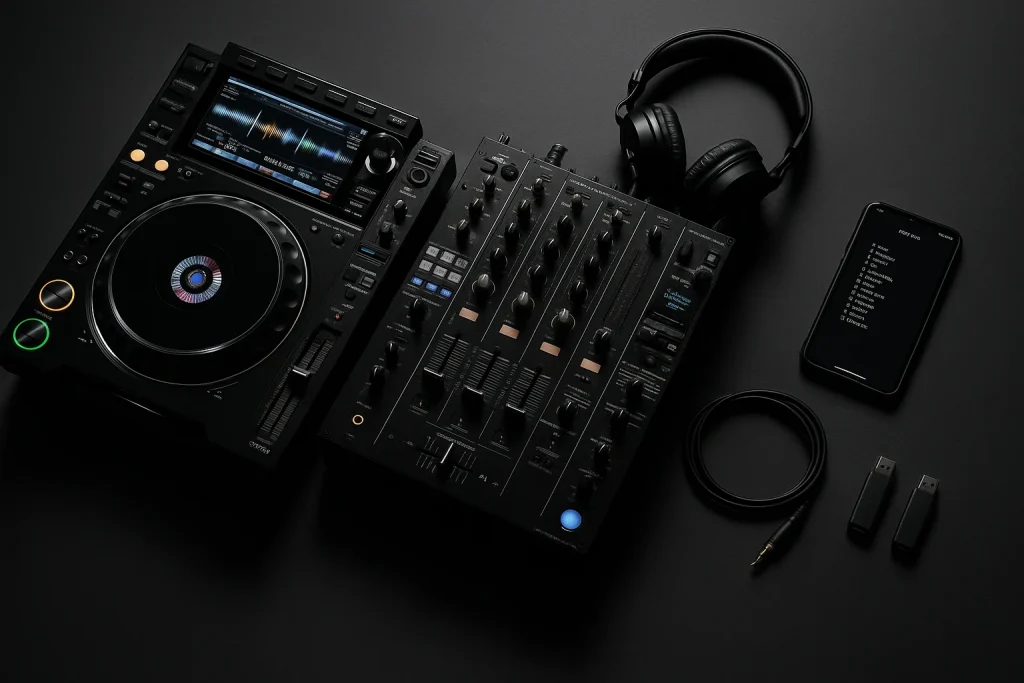
Choosing the right equipment is crucial for executing flawless transitions. Many DJs debate the merits of digital vs. analog setups. While digital systems offer convenience and advanced features, analog setups provide warmth and a tactile experience. The choice often comes down to personal preference and the specific demands of the gig.
| Equipment | Pros | Cons |
|---|---|---|
| Digital Controllers | Portability, advanced features, cost-effective | Requires power source, learning curve |
| Vinyl Turntables | Superior sound quality, tactile control | Heavy, maintenance-intensive |
| CDJs | Durability, industry standard, versatile | Costly, less portable |
For those just starting, our guide on best DJ controller for beginners in 2026 provides valuable insights into selecting the right gear.
Actionable Tips for Practicing Transitions
To improve your transitioning skills, consider the following tips:
- Record and Review: Record your sets and critically listen to the transitions. Identify areas for improvement and experiment with different techniques.
- Mix Live: Practice in a live setting whenever possible. This will help you adapt to real-time feedback and develop stage presence.
- Explore Different Genres: Mixing various genres can broaden your skills and prepare you for diverse audiences.
- Use Visualization Software: Tools like Rekordbox provide visual cues that can aid in timing transitions and spotting phrase changes.
If you’re looking for custom tracks to practice with, consider exploring custom DJ tracks tailored to your style and needs.
Frequently Asked Questions
What is the most important transition technique for DJs?
Beatmatching is arguably the most fundamental transition technique, as it forms the basis for mixing two tracks seamlessly. However, mastering a combination of techniques, including harmonic mixing and effects, can significantly enhance a DJ’s performance.
How can I practice transitioning between songs?
Start by working with tracks of similar BPMs, and gradually experiment with different genres and tempos. Recording your practice sessions and seeking feedback from peers can also accelerate your learning process.
What software is best for DJ transitions?
Popular software like Rekordbox, Serato DJ, and Traktor offer robust features for managing transitions, including beatmatching and key detection. Each has its strengths, so it’s worth trying a few to see which fits your style best.
How important is equipment choice in DJ transitions?
While skilled DJs can perform on a variety of setups, having reliable equipment that suits your style can make transitions smoother and more intuitive. Consider your specific needs and venue requirements when selecting gear.
Where can I find unique tracks for my DJ sets?
The Ghost Production offers a range of options for acquiring exclusive music that can help your sets stand out. Custom and ghost-produced tracks can provide the unique edge you need in a competitive market.
Last updated:
Stand Out From Every Other DJ
The DJs who get booked and remembered play music nobody else has. Commission exclusive ghost-produced tracks and edits made specifically for your sound.