
How to Start DJing – First Steps
How to Start DJing – First Steps
Embarking on the journey to becoming a DJ can be both exhilarating and overwhelming. The art of DJing is not just about playing tracks; it’s about curating an experience, reading a crowd, and seamlessly blending music across genres and tempos. If you’re wondering how to start DJing, this guide will walk you through the initial steps, including choosing your first DJ controller, selecting the right software, and honing your craft through practice.
Before delving into equipment and technique, let’s consider the historical context. DJing has evolved significantly since its inception in the late 1960s. From the early vinyl-spinning pioneers like Kool Herc to the digital maestros of today, the DJ has transformed from a background figure to a central performer in the music industry. As of 2026, DJing is more accessible than ever, thanks to advancements in technology and the proliferation of educational resources.
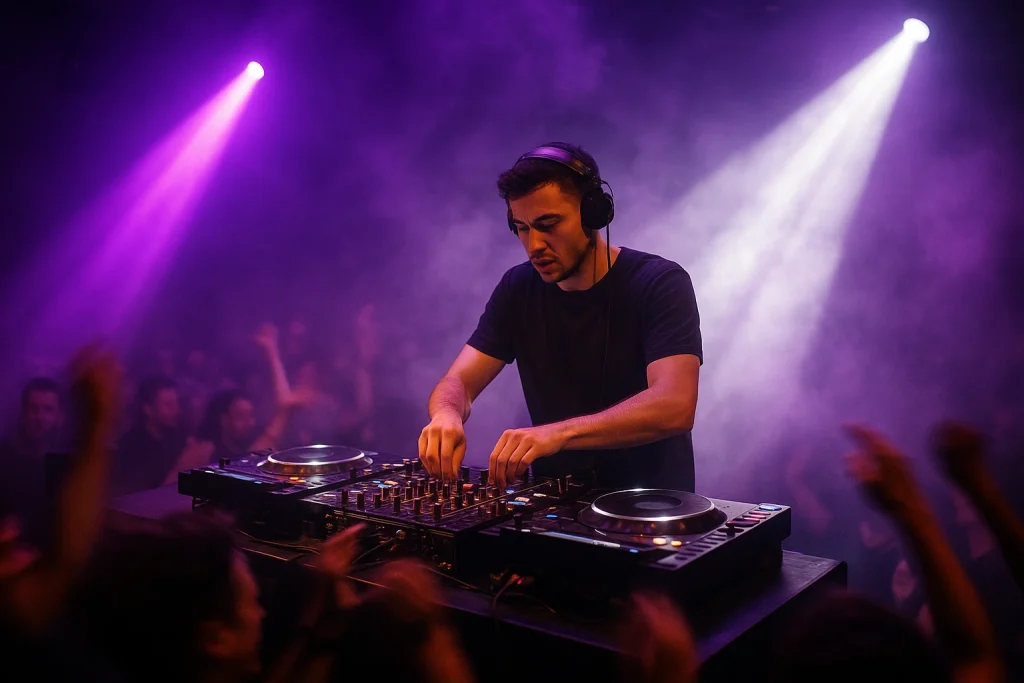
Despite the ease of entry, the global DJ market remains competitive. According to a 2025 report by the International Music Summit, the global electronic music industry was valued at $9 billion, with DJ performances accounting for a significant portion of this revenue. With this in mind, let’s explore how you can break into this vibrant scene.
Choosing Your First DJ Controller
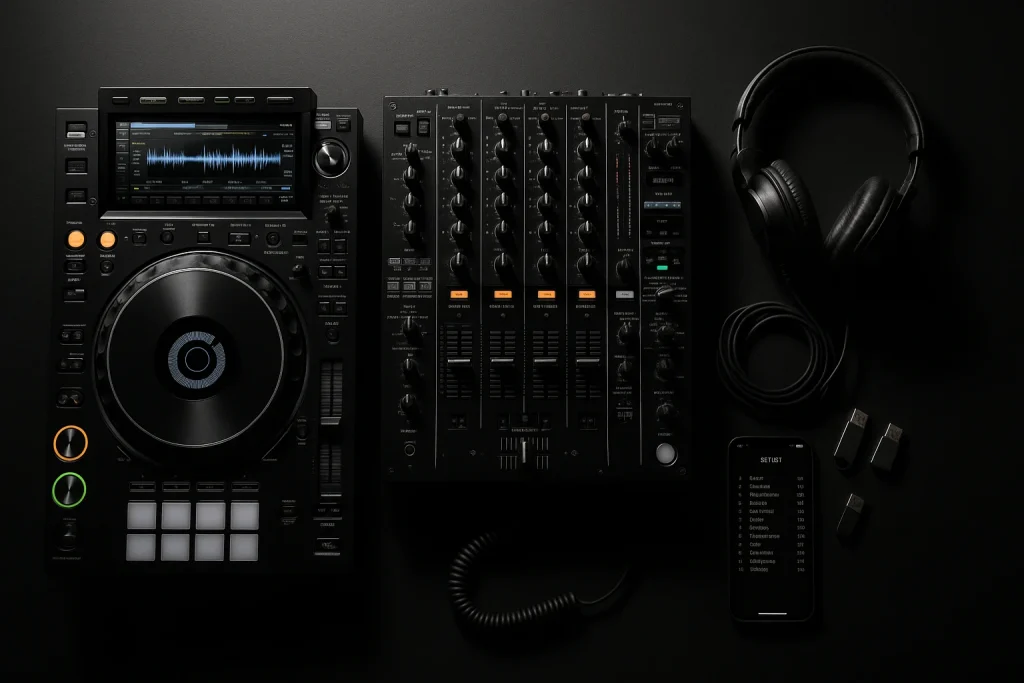
Your DJ controller is the heart of your setup. It acts as your interface for mixing and manipulating tracks. When selecting your first controller, consider the following factors: budget, features, and compatibility with your DJ software of choice. Popular brands like Pioneer, Denon, and Numark offer a range of controllers catering to different skill levels and needs.
Budget Considerations
Entry-level controllers generally range from $100 to $300. These often provide two channels, basic effects, and simple jog wheels. For intermediate to professional options, expect to spend between $500 and $1,500, which will offer more advanced features such as larger jog wheels, touch-sensitive pads, and multiple input/output options.
Features to Look For
Key features to consider include the number of channels, pad performance features, jog wheel quality, and connectivity options. As you progress, having a controller with a built-in audio interface can be beneficial for playing live gigs.
Compatibility with DJ Software
Ensure your controller is compatible with popular DJ software like Serato, Traktor, or Rekordbox. This will ensure seamless integration and a smoother learning curve.
Selecting the Right DJ Software
The choice of DJ software can significantly influence your workflow and performance style. Each software offers unique features that cater to different aspects of DJing.
| Software | Key Features | Price Range |
|---|---|---|
| Serato DJ Pro | Excellent for scratching; robust library management | $129/year |
| Traktor Pro 3 | Advanced beat matching; remix decks | $99/year |
| Rekordbox DJ | Best for Pioneer equipment; cloud library management | $149/year |
Serato DJ Pro remains a favorite for its intuitive interface and reliable performance, especially in club environments. Traktor Pro 3 is known for its remix decks and advanced beat-matching capabilities, making it ideal for creative mixing. Rekordbox DJ is perfect for those using Pioneer equipment, due to its seamless hardware integration and cloud-based library management.
Practicing Your DJ Skills
Practice is crucial to becoming proficient in DJing. Start by familiarizing yourself with your equipment and software. Learn the basics of beatmatching, phrasing, and EQing.
Setting Up a Practice Routine
Consistency is key. Dedicate time each week to practice specific skills. Divide your sessions into learning new techniques, recording practice sets, and reviewing your progress. Utilize platforms like SoundCloud to share your mixes and receive feedback from the community.
Learning from the Pros
Study performances by established DJs to understand their mixing styles and track selection. Notable DJs like Carl Cox and Charlotte de Witte offer masterclasses that can provide valuable insights into their techniques and career trajectories. Additionally, online communities such as the Resident Advisor forums are excellent for networking and learning.
Building Your Music Library
A diverse and well-curated music library is essential for any DJ. Start by exploring digital music stores such as Beatport and utilizing platforms like Splice for discovering new sounds and samples.
Organizing Your Library
Organize your tracks by genre, energy level, and key. This will make it easier to find the right track during a live set. Tags and playlists can also be used to create custom sets for different moods and venues.
Exclusive Music and Ghost Production
To stand out, consider incorporating exclusive tracks into your sets. Services like Exclusive Tracks for DJs offer unique music that can set you apart from other DJs. The Ghost Production provides options for custom tracks tailored to your brand.
Debunking DJing Myths
There are several misconceptions about DJing that can deter beginners. Let’s address a few common myths:
Myth: DJing is Easy
While technology has made DJing more accessible, the skill and artistry involved require dedication and practice. From perfecting transitions to reading a crowd, DJing is a complex craft.
Myth: You Need Expensive Equipment
While high-end gear offers more features, you can start DJing with a modest setup and upgrade as you grow. Focus on honing your skills rather than investing heavily in equipment upfront.
Taking the Next Steps in Your DJ Career
As you become more confident in your DJing abilities, consider ways to advance your career. Networking with other DJs, producers, and industry professionals can open doors to new opportunities.
Exploring Ghost Production
Hiring a ghost producer can help diversify your music offerings and enable you to present unique tracks during your sets. Understanding how ghost production works can be a strategic move for any DJ looking to carve out a distinct sonic identity.
Securing Your First Gigs
Landing your first DJ gig is a pivotal milestone. Focus on building a local following and leveraging social media to showcase your talent. For detailed strategies, check out our guide on how to get your first DJ gig.
Expanding Your Brand
As your experience grows, consider expanding your brand by releasing music, hosting events, or even teaching. Learn more about standing out as a DJ and building a unique brand identity.
Frequently Asked Questions
What equipment do I need to start DJing?
To start DJing, you’ll need a DJ controller, laptop, DJ software, and headphones. As you advance, you may want to invest in monitors and additional gear.
How much should I practice to become proficient?
Regular practice is crucial. Aim for at least 3–5 hours per week focusing on different skills, such as beatmatching and mixing techniques.
Can I DJ with just a laptop?
Yes, you can start DJing with just a laptop using software like Serato DJ or Traktor. However, a controller will enhance your ability to mix and manipulate tracks.
How do I build a music library?
Start by purchasing music from digital stores like Beatport. Organize your library by genre and energy level to facilitate easy access during sets.
Do I need to know music theory to DJ?
While not essential, a basic understanding of music theory can enhance your mixing skills, particularly when it comes to harmonically mixing tracks.
Last updated:
Stand Out From Every Other DJ
The DJs who get booked and remembered play music nobody else has. Commission exclusive ghost-produced tracks and edits made specifically for your sound.