
How to Read the Crowd as a DJ – Complete Guide
How to Read the Crowd as a DJ – Complete Guide
In the dynamic world of DJing, one skill stands out as essential: the ability to read the crowd. Mastering this art can transform an average set into an unforgettable experience. Understanding how to read the crowd as a DJ is as much about intuition as it is about experience and observation. From recognizing body language to interpreting energy levels, this guide will arm you with the tools needed to make informed decisions on the fly and keep the dance floor packed.
With the rise of electronic dance music (EDM) and the proliferation of festivals worldwide, DJs find themselves in front of increasingly diverse audiences. Therefore, understanding crowd dynamics is more critical than ever. According to a 2025 study by IMS Business Report, the global electronic music industry is valued at over $7 billion, with live performances accounting for a significant portion of this. This underscores the importance of live crowd engagement in a DJ’s career.
In this guide, we’ll delve into the nuances of crowd reading, offer examples from leading DJs, and provide actionable strategies to elevate your sets. Whether you’re a seasoned professional or an emerging artist, these insights will help you connect more deeply with your audience, fostering an atmosphere that resonates long after the final track.
The Art of Crowd Observation
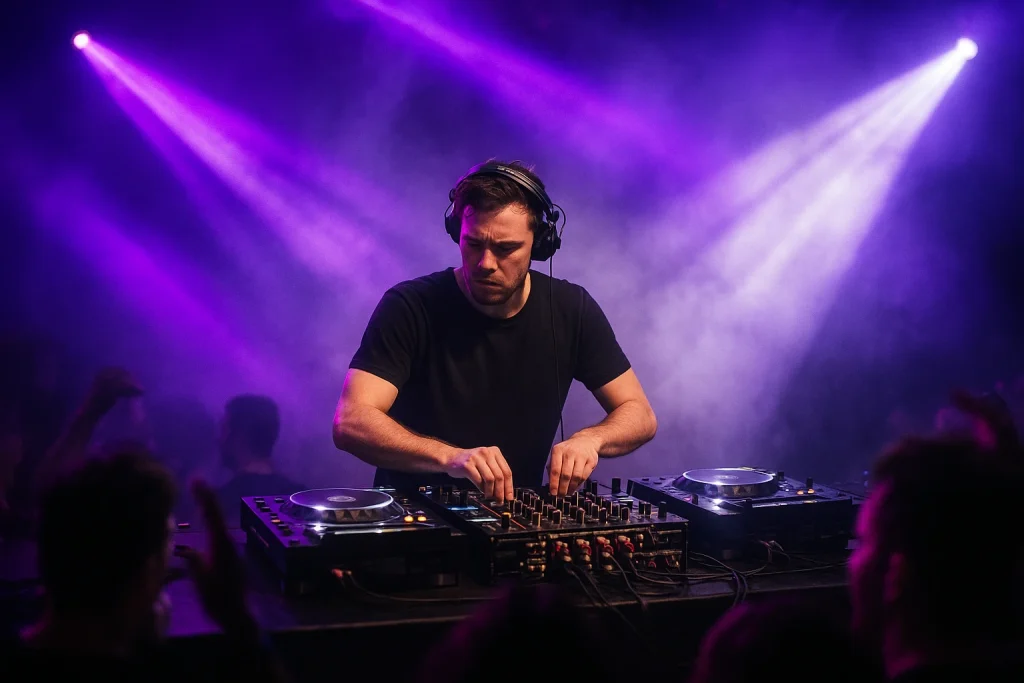
Reading the crowd begins before you even hit play. Observing the venue and understanding its vibe is crucial. Pay attention to the demographics, mood, and energy as the event progresses. Are people arriving in groups or pairs? Is the crowd predominantly younger, or is there a mix of ages? Notable DJs like Carl Cox and Nina Kraviz often emphasize the importance of arriving early to gauge the room.
Body language is another critical factor. Are people dancing energetically, or are they more reserved? Watch for signs of engagement or disengagement. A crowded dance floor isn’t always a happy one. Sometimes, people might be there simply because there’s nowhere else to stand. Look for smiles, hands in the air, and people singing along to gauge genuine engagement.
Additionally, consider the flow of the crowd. Are people moving towards or away from the stage? Is there a consistent ebb and flow, or are people stationary? Understanding these dynamics helps in deciding when to ramp up the energy or bring it down a notch.
Analyzing Energy Levels and Timing
Energy levels fluctuate throughout the night, and your set should reflect these changes. Early on, people might be warming up, so it’s wise to start with tracks that have a moderate tempo and build gradually. According to Beatport, genres like deep house and melodic techno are popular choices for opening sets, offering a blend of rhythm and melody that sets a welcoming tone.
As the night progresses and the crowd settles in, it’s time to increase the tempo and intensity. This is the moment to drop those high-energy tracks that get the crowd moving. Popular DJs such as Solomun and Diplo are known for their ability to modulate energy effectively, using peaks and troughs to maintain engagement without fatigue.
Timing is also about recognizing when a particular track has run its course. Holding onto a track for too long can cause interest to wane, so always be ready to pivot. This adaptability is crucial during extended sets, where maintaining a fresh and exciting atmosphere is essential.
Selecting the Right Tracks
Choosing the right music is a delicate balance between personal style and crowd preference. While it’s important to stay true to your artistic vision, flexibility is key to keeping the crowd engaged. A 2025 survey by Resident Advisor found that 60% of club-goers appreciate DJs who incorporate a mix of familiar and new tracks into their sets.
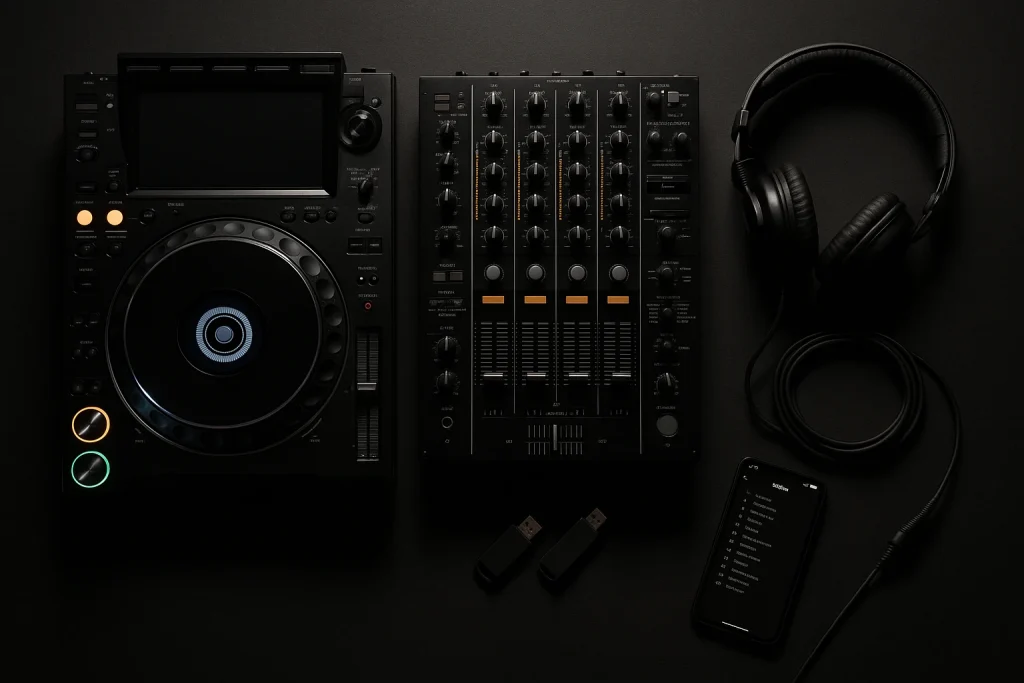
One strategy is to have a repertoire of tracks ready for different scenarios. Label them according to energy levels, genres, or vibes, making it easier to select the right track in the moment. Using platforms like SoundCloud and Spotify for Artists to discover trending tracks can also provide inspiration for new inclusions in your set.
When in doubt, trust the classics. Tracks that have stood the test of time often have universal appeal and can reenergize a flagging crowd. However, over-reliance on hits can quickly become predictable, so use them sparingly and strategically.
Real-Time Feedback and Adjustments
Real-time feedback is invaluable during a live performance. In addition to visual cues, listen for verbal feedback and watch for smartphone activity. If people are frequently checking their phones, it might indicate a dip in engagement. Conversely, a sea of phones capturing the moment is often a sign that you’re hitting the right note.
Engaging directly with the crowd can also provide insights. Brief interactions, such as asking how they’re feeling or encouraging participation, can offer immediate feedback on your set’s direction. This approach has been effectively employed by artists like Fatboy Slim, who often communicates with the audience to gauge their mood.
Technical tools can also assist in reading the crowd. DJ software with real-time analytics can offer insights into track performance, helping you identify what resonates with the audience. This data-driven approach is becoming more prevalent as technology continues to integrate with live performances.
Common Pitfalls and How to Avoid Them
Even experienced DJs can fall into common pitfalls when reading the crowd. One of the most frequent mistakes is sticking too rigidly to a pre-planned set. While preparation is crucial, it’s equally important to be adaptable and responsive to the audience’s energy.
Avoid playing for yourself rather than the crowd. This can be a challenge, especially when you’re passionate about certain tracks or styles. Remember, the primary goal is to create an unforgettable experience for the audience. Sacrificing your set’s flow for personal preference can disrupt the energy and lose the crowd.
Lastly, neglecting to prepare for technical issues can derail a set. Always have backup equipment and tracks ready in case of unexpected problems. For more on practical DJing tips, check out our guide on how to prepare a USB drive for CDJ setups here.
Success Stories and Industry Insights
Learning from successful DJs provides valuable insights into effective crowd reading. Take the example of Armin van Buuren, who is renowned for his ability to create a narrative through his sets, maintaining engagement from start to finish. Armin’s approach involves a deep understanding of track progression and seamless transitions that keep the energy consistent.
Similarly, Charlotte de Witte’s rise in the techno scene is partly attributed to her keen sense of timing and crowd interaction. Her ability to drop unexpected tracks at just the right moment has become a hallmark of her performances, ensuring that no two sets are ever the same.
These stories highlight the importance of not only technical skills but also the ability to connect emotionally with the audience. It’s a reminder that successful DJing is as much about empathy and connection as it is about music selection and equipment.
Frequently Asked Questions
What are the key indicators of a responsive crowd?
Key indicators include body language such as dancing and smiling, verbal expressions of enjoyment, and a willingness to engage with the DJ through interaction or participation.
How can I improve my crowd-reading skills?
Improving your skills involves practice, observation, and learning from feedback. Attend other DJs’ sets to watch how they engage with the crowd, and incorporate those observations into your practice sessions.
What should I do if the crowd isn’t responding positively?
If the crowd isn’t responding, consider changing the genre, tempo, or energy level of your tracks. Engage with the audience directly or through social media to gather feedback and adjust your approach accordingly.
How important is it to stick to a pre-planned set?
While a pre-planned set provides a solid foundation, flexibility is crucial. Being able to adapt and respond to the crowd’s energy can elevate your performance and keep the audience engaged.
Can technology help with crowd reading?
Yes, technology such as DJ software with analytics can provide real-time insights into track performance and audience engagement, helping you make informed decisions during your set.
Last updated:
Stand Out From Every Other DJ
The DJs who get booked and remembered play music nobody else has. Commission exclusive ghost-produced tracks and edits made specifically for your sound.