
How to Practice DJing Daily – Routine for Improvement
How to Practice DJing Daily – Routine for Improvement
For aspiring and established DJs alike, mastering the art of DJing requires more than just passion; it demands a consistent practice routine. The question of how to practice DJing effectively is a common one, especially in an industry where technological advancements and musical trends are constantly evolving. In this comprehensive guide, we will explore various techniques, exercises, and strategies to enhance your DJ skills, leveraging historical insights and real-world examples.
DJing has evolved significantly since its inception in the early 1970s, with figures like Kool Herc pioneering the craft. As of 2026, the global DJ industry is valued at over $2 billion, reflecting the growing popularity and demand for skilled DJs across festivals, clubs, and online platforms. Understanding how to practice DJing daily is crucial for anyone looking to excel in this dynamic field.
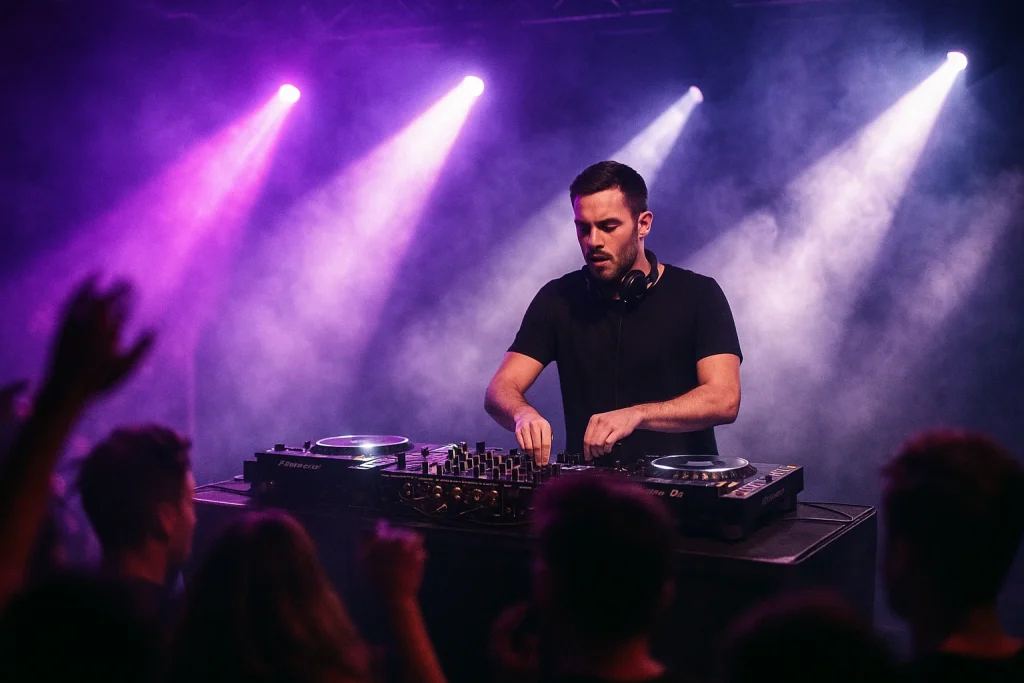
Building a Daily DJ Practice Routine
Consistency is key when it comes to improving any skill, and DJing is no exception. A well-structured daily practice routine can make a significant difference in your performance and technical abilities. Here are some essential components to consider:
- Set Clear Goals: Define what you want to achieve with each practice session, whether it’s mastering beatmatching or refining your mixing techniques.
- Time Management: Allocate specific time slots for practice, ensuring that you focus on different aspects of DJing each day. Even if you only have 30 minutes, a focused session can be highly productive.
- Diverse Exercises: Incorporate a variety of exercises, such as practicing transitions, working on EQ adjustments, and experimenting with effects.
Technical Skills: Beatmatching and Mixing
Mastering technical skills like beatmatching and mixing is fundamental to any DJ’s success. Beatmatching involves synchronizing the tempos of two tracks to ensure a seamless transition. Despite the availability of sync features on modern equipment, manual beatmatching remains a vital skill that can set you apart.
Practicing mixing techniques involves understanding track structure, phrasing, and the effective use of EQs to blend tracks harmoniously. Resources like Beatport offer a wide range of tracks to practice with, allowing DJs to experiment with different genres and styles.
Improving Your Musical Ear
A critical aspect of DJing is developing a keen musical ear. This involves recognizing key changes, identifying compatible tracks, and understanding musical structure. Regularly listening to a variety of music and analyzing song compositions will enhance your ability to select the right tracks for your sets.
- Track Analysis: Break down tracks into their components, focusing on beats, melodies, and harmonies.
- Use Reference Tracks: Utilize reference tracks to improve your mixing by comparing your transitions against professional mixes. For more on using reference tracks, visit How to Use Reference Tracks – Mixing.
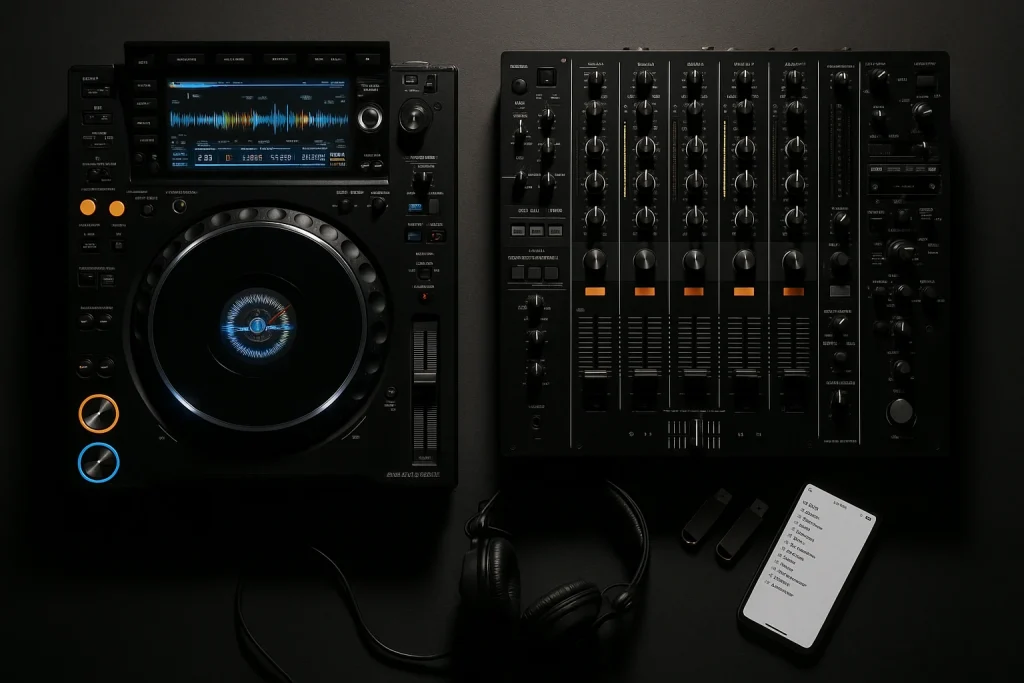
Utilizing Technology and Tools
In 2026, technology plays a pivotal role in DJing. From advanced DJ controllers to powerful software, the tools available today can significantly enhance your practice sessions. Consider investing in high-quality equipment that suits your style and needs.
Platforms like Resident Advisor and MusicRadar provide insights into the latest gear and trends, helping you make informed decisions about your setup.
Incorporating Creativity and Personal Style
While technical skills are crucial, creativity and personal style are what truly define a DJ. Experimenting with different genres, creating unique edits, and developing signature transitions can help you stand out. For those interested in custom tracks that align with their brand, Ghost Production for DJs – Custom Tracks for Your Brand is an ideal option.
The Role of Networking and Industry Engagement
Networking is an integral part of the music industry. Building relationships with other DJs, producers, and industry professionals can open doors to new opportunities. Engaging with communities on platforms like SoundCloud or attending events can expand your reach and influence.
Learn more about how to network effectively as a producer by visiting How to Network as a Producer.
Tracking Progress and Setting Milestones
Tracking your progress and setting milestones can motivate you to continue improving. Regularly record your practice sessions, critique your performances, and seek feedback from peers or mentors. Utilize analytics tools like Spotify for Artists to monitor your audience engagement and growth.
Understanding how to practice DJing effectively involves a combination of technical proficiency, creativity, and strategic industry engagement. Whether you’re just starting or looking to refine your skills, adopting a structured practice routine will ensure continuous improvement and success.
Frequently Asked Questions
How often should I practice DJing?
It’s recommended to practice daily, even if for just 30 minutes. Consistency is more important than the duration.
What equipment do I need to start practicing DJing?
Basic equipment includes a DJ controller or turntables, a mixer, headphones, and software like Serato or Traktor. For an in-depth equipment list, visit Music Production Equipment List.
Can I improve my DJ skills without a mentor?
Yes, many resources and tutorials are available online. However, having a mentor can provide personalized guidance and accelerate your learning.
Is it necessary to learn music theory for DJing?
While not essential, understanding basic music theory can enhance your mixing and track selection skills.
Where can I find exclusive tracks for my DJ sets?
You can explore platforms like Beatport, or consider buying exclusive ghost-produced tracks. For more options, check out Where to Get Exclusive Music as a DJ – Tips & Options.
Last updated:
Stand Out From Every Other DJ
The DJs who get booked and remembered play music nobody else has. Commission exclusive ghost-produced tracks and edits made specifically for your sound.