
How to Get a DJ Residency
How to Get a DJ Residency
Securing a DJ residency is often seen as the holy grail for many aspiring and professional DJs. It not only provides a steady stream of gigs but also allows for artistic growth and community building. In 2026, the competition is fiercer than ever, but with the right approach, you can land a residency that not only boosts your profile but also offers financial stability and creative freedom.
To successfully get a DJ residency, there are several key steps and strategies to follow. This guide will provide you with actionable advice, industry insights, and historical contexts to help you navigate your journey towards securing that coveted spot. We’ll explore how to approach venues, build lasting relationships, and deliver performances that will keep you in demand.
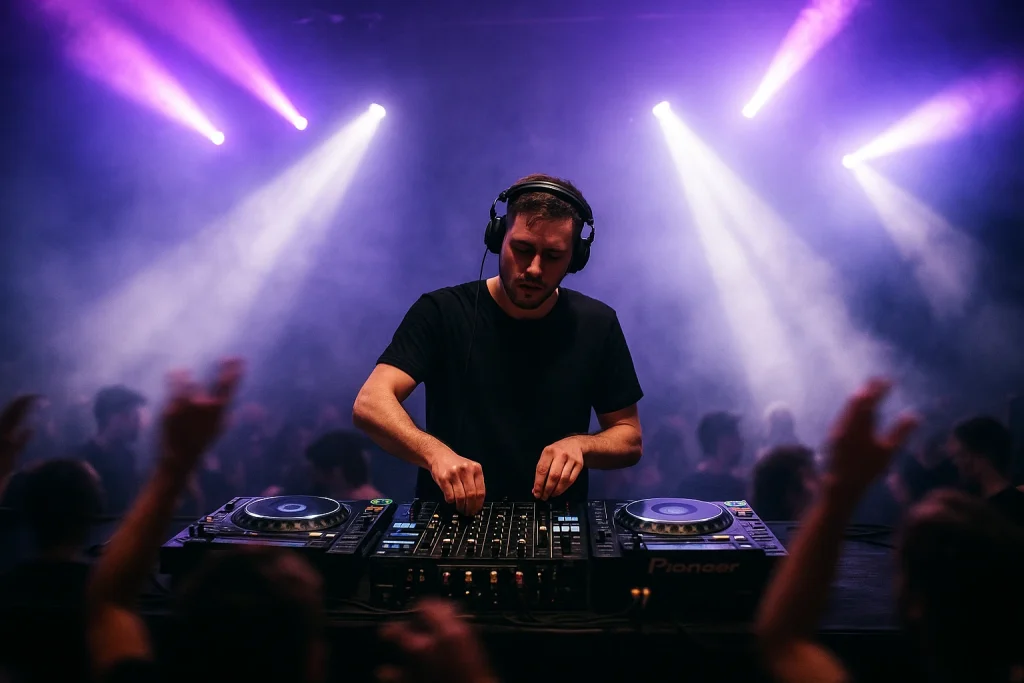
Understanding the dynamics of the DJ residency landscape is crucial. As of 2026, the global DJ and electronic music industry is valued at approximately $8 billion, with residencies playing a substantial role in that figure. Iconic venues across the world, from Ibiza’s Pacha to New York’s Output, rely heavily on resident DJs to maintain their vibrant nightlife scenes. Let’s delve into the specifics of how you can join their ranks.
Understanding the Value of a DJ Residency
The concept of a DJ residency dates back to the early days of disco and house music, where DJs like Larry Levan and Frankie Knuckles became synonymous with venues such as Paradise Garage and The Warehouse. These residencies were pivotal in shaping the electronic music scene and highlighting the importance of a consistent DJ presence in a club.
Today, a residency offers numerous benefits. Not only does it guarantee regular gigs, but it also provides a platform to experiment with your sound and establish a connection with a dedicated audience. Moreover, being a resident DJ can enhance your reputation, making it easier to secure gigs at other venues and festivals. According to Resident Advisor, a well-regarded residency can significantly elevate a DJ’s career trajectory.
How to Approach Venues
When targeting a potential venue for a residency, research is key. Understand the venue’s musical identity, its clientele, and its existing lineup of resident DJs. This knowledge will allow you to tailor your pitch and showcase how your style aligns with their brand.
Networking within the local music scene is also vital. Attend events at your target venue, introduce yourself to the staff, and engage with the current resident DJs. Building these relationships can provide invaluable insights and potentially lead to a recommendation or introduction to the booking manager.
When you’re ready to pitch yourself, prepare a comprehensive electronic press kit (EPK) that includes a demo mix, a biography, and high-quality images. Learn more about creating an effective EPK at What Is a DJ EPK? – Electronic Press Kit.
Building and Maintaining Relationships
Securing a residency is just the beginning; maintaining it requires building strong relationships with the venue staff, fellow DJs, and the audience. Consistent communication and professionalism are essential. Simple gestures, like thanking the staff after a gig or supporting your fellow DJs, can go a long way in establishing a positive reputation.
Be open to feedback from the venue’s management and the audience. Adaptability is crucial in the ever-evolving music scene. As noted by DJ Mag, DJs who thrive in residencies are those who can read the crowd and adjust their sets accordingly.
Delivering Memorable Performances
Your performances as a resident DJ should be both consistent and innovative. Develop a signature sound that resonates with the venue’s audience while continually introducing new tracks and techniques to keep your sets fresh. For tips on refining your DJ skills, check out Best DJ Transition Techniques.
Incorporating exclusive music into your sets can also set you apart. Consider using ghost-produced tracks to offer something unique. The Ghost Production offers a range of Exclusive Tracks for DJs that can enhance your sets.
Technical Skills and Equipment
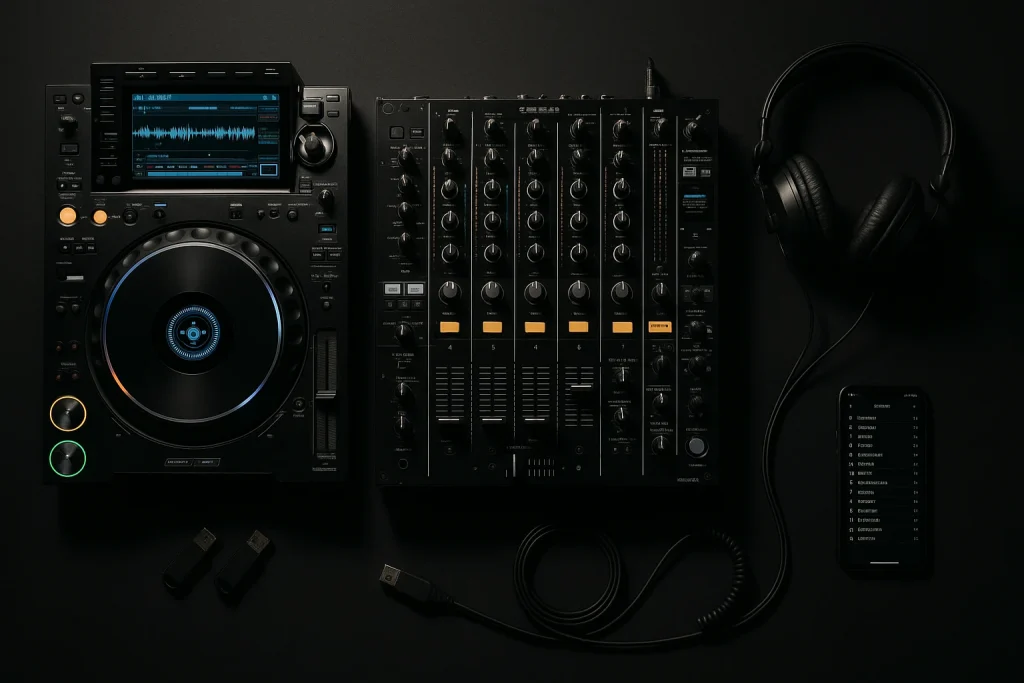
Mastering your equipment is non-negotiable for any aspiring resident DJ. Whether you’re using Pioneer CDJs, vinyl, or digital controllers, proficiency in your chosen tools will allow you to deliver seamless performances. For those just starting, How to Start DJing – First Steps provides a comprehensive guide.
Staying updated with the latest technology and software can also give you an edge. Platforms like Splice offer a plethora of resources for producers and DJs looking to enhance their sound libraries and production quality.
Leveraging Online Platforms and Social Media
In 2026, a robust online presence is crucial for any DJ looking to secure and maintain a residency. Platforms like SoundCloud and Spotify for Artists allow you to share your mixes and productions with a wider audience, potentially catching the attention of venue managers and promoters.
Engage with your audience on social media by posting regular updates about your gigs, sharing behind-the-scenes content, and interacting with fans. Effective self-promotion can significantly enhance your visibility in the competitive DJ landscape. For more strategies, visit How to Promote Yourself as a DJ.
Myths vs. Realities of DJ Residencies
One common myth is that a DJ residency is a guaranteed path to fame and fortune. While residencies can elevate your career, they require hard work, dedication, and the ability to consistently deliver exceptional performances. The reality is that residencies are both an opportunity and a responsibility.
Another misconception is that only established DJs can secure residencies. On the contrary, many venues are open to fresh talent who bring a unique sound to the table. Focus on honing your craft, building your network, and creating memorable experiences for your audience.
| Myth | Reality |
|---|---|
| Residencies guarantee fame and fortune. | Residencies require hard work and consistent delivery. |
| Only established DJs can secure residencies. | Venues are open to fresh talent with unique sounds. |
| Residency means playing the same music every night. | Successful residencies involve evolving your sets regularly. |
Conclusion: Your Path to Residency
The journey to securing a DJ residency involves a combination of skill, networking, and strategic planning. By understanding the industry landscape, building relationships with key stakeholders, and consistently delivering memorable performances, you can position yourself as a top choice for venues looking to enhance their musical offerings.
For DJs looking to expand their music library with unique tracks, consider exploring Where to Get Exclusive Music as a DJ. Additionally, for personalized music that aligns with your brand, visit Custom DJ Tracks.
Lastly, if you’re interested in professional production services or exclusive tracks, Hire a Ghost Producer or Buy Exclusive Ghost-Produced Tracks to stand out in the industry.
Frequently Asked Questions
What is a DJ residency?
A DJ residency is a contractual agreement where a DJ regularly performs at a specific venue, often becoming synonymous with the club’s brand and musical identity.
How can I improve my chances of getting a residency?
Focus on honing your DJ skills, networking within the local music scene, and understanding the target venue’s audience and musical style. Present a compelling EPK and engage with the venue’s staff and management.
Do I need to have a unique sound to secure a residency?
While not mandatory, having a unique sound can set you apart from other DJs and make you more attractive to venues looking to offer something distinct to their audience.
Can new DJs secure residencies?
Yes, new DJs can secure residencies by demonstrating their talent, willingness to adapt, and ability to connect with the venue’s audience. Building a local presence and networking are key.
What role does social media play in getting a residency?
Social media is crucial for building a fan base, showcasing your music and performances, and connecting with industry professionals. A strong online presence can enhance your visibility and appeal to venues.
Last updated:
Stand Out From Every Other DJ
The DJs who get booked and remembered play music nobody else has. Commission exclusive ghost-produced tracks and edits made specifically for your sound.