
How to DJ Your First Party – Beginner Tips
How to DJ Your First Party: Beginner Tips and Essential Advice
Stepping up to the DJ booth for your first party is both exhilarating and nerve-wracking. Whether you’re an aspiring DJ or a seasoned music producer branching out into live sets, understanding how to DJ your first party effectively is crucial. This guide will provide you with comprehensive tips, from curating your setlist to managing energy levels and handling equipment, ensuring your debut gig is a success.
The world of DJing has evolved significantly over the years, with technology making it more accessible than ever. According to a 2025 report from the International Music Summit, the DJ industry is worth over $7 billion, highlighting the growing interest in DJing as a career. As you prepare to step into this dynamic field, let’s delve into the essential elements of spinning your first party.
Understanding Your Audience and Venue
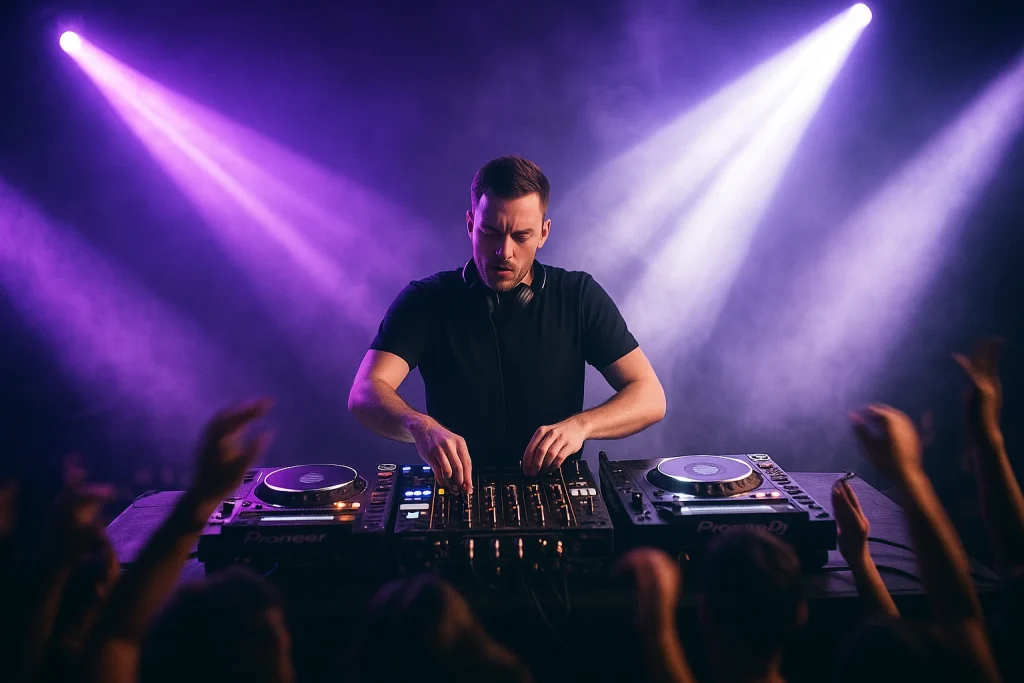
The first step in preparing for your DJ debut is understanding the audience and venue. Are you spinning at a small house party, a corporate event, or a club? Each setting demands a different approach in terms of music selection and energy management. Research the venue’s vibe and the demographics of the attendees to tailor your set accordingly.
For instance, a Resident Advisor survey in 2025 found that 60% of club-goers appreciate DJs who adapt their sets based on the crowd’s reaction. This means being flexible and reading the room is just as important as your initial setlist.
Building Your First Setlist
Creating a compelling setlist is an art form. It requires a balance between tracks you love and what will resonate with the audience. Start by identifying the event’s theme and selecting tracks that fit this narrative. Incorporate a mix of genres to keep the energy dynamic and engaging.
Utilize platforms like SoundCloud and Beatport to discover trending tracks and hidden gems. It’s also wise to include a few exclusive tracks to set your performance apart. For custom tracks, consider services like The Ghost Production, which offers bespoke music tailored to your style.
For more tips, check out our guide on how to build a DJ set list to ensure your playlist flows seamlessly from start to finish.
Mastering the Equipment
Familiarizing yourself with your equipment is crucial for a smooth performance. Whether you’re using CDJs, turntables, or a controller, practice until you’re comfortable with every feature. This will allow you to focus on the music rather than technical difficulties during your set.
If you’re unsure which equipment suits your style, our comprehensive CDJ vs Controller guide can help you make an informed decision. Additionally, learning how to use software like Rekordbox or Serato is beneficial for track management and mixing efficiency.
| Equipment | Pros | Cons |
|---|---|---|
| CDJs | Industry standard, reliable | Costly, learning curve |
| Controller | Portable, affordable | Less tactile feedback, reliance on laptop |
| Turntables | Classic feel, vinyl authenticity | Bulky, requires maintenance |
Energy Management and Crowd Interaction
Maintaining the right energy level throughout your set is vital. Start with a slower tempo to build anticipation and gradually increase the BPM to elevate the energy. Understanding electronic dance music BPM ranges can help you transition smoothly between tracks.
Engage with the audience by watching for cues like dancing intensity and crowd reactions. This feedback loop allows you to adjust your set in real-time, ensuring the party’s momentum is maintained. For more insights, our article on DJ mixing basics provides techniques for blending tracks seamlessly.
Technical Challenges and Solutions
Technical issues can occur at any gig, but being prepared can minimize disruptions. Always have backup options, such as a USB drive with your set loaded or an extra pair of headphones. Familiarize yourself with the venue’s sound system and conduct a sound check to avoid unexpected surprises.
Learning how to troubleshoot common problems, like audio dropouts or software glitches, will keep you calm under pressure. Our music production equipment list covers essential gear that can save you in a pinch.
Promoting Yourself and Your Brand
After your debut, promoting yourself is crucial for building a reputation. Utilize social media platforms to share your mixes, engage with followers, and announce future gigs. A well-maintained online presence can lead to more opportunities and a broader audience.
Consider creating a custom DJ intro for your sets to enhance your brand identity. For tips on building a strong DJ brand, visit our DJ branding tips page.
Considerations for Future Gigs
Once you’ve successfully DJed your first party, reflect on the experience to identify areas for improvement. Seek feedback from peers and audience members to refine your skills. As you grow your repertoire, consider expanding your musical offerings with exclusive tracks or hiring a ghost producer for unique compositions.
Our resources on how to get more music for DJ sets and ghost production for DJs offer insights into accessing high-quality music tailored to your style.
For those interested in outsourcing music production, The Ghost Production offers services where you can hire a ghost producer or buy exclusive ghost-produced tracks to enhance your sets.
Frequently Asked Questions
What equipment do I need for my first DJ gig?
For your first gig, you’ll need basic DJ equipment such as a controller or CDJs, headphones, a laptop with DJ software, and a USB drive with your setlist. It’s also wise to have extra cables and adapters available.
How do I choose the right music for my set?
Choose music that fits the event’s theme and audience. Mix popular tracks with lesser-known gems to keep your set fresh. Use platforms like Beatport and SoundCloud to discover new music and trends.
How can I improve my DJ skills before the gig?
Practice regularly, familiarize yourself with your equipment, and experiment with different mixing techniques. Our guide on how to practice DJing daily offers valuable tips for honing your skills.
What should I do if I experience technical difficulties during my set?
Stay calm and address issues quickly. Having a backup plan, like a pre-recorded mix or a second USB, can prevent major disruptions. Familiarize yourself with common troubleshooting steps beforehand.
How can I promote myself after my first gig?
Utilize social media to share your mixes and engage with your audience. Create a professional online presence and network within the industry to increase your visibility. Consider reading our article on DJ social media tips for more strategies.
Last updated:
Stand Out From Every Other DJ
The DJs who get booked and remembered play music nobody else has. Commission exclusive ghost-produced tracks and edits made specifically for your sound.