
How to Beatmatch – DJ Beatmatching Guide
How to Beatmatch – DJ Beatmatching Guide
Mastering the art of beatmatching is a fundamental skill for any aspiring DJ. This technique, which involves synchronizing the tempos of two tracks to ensure a seamless transition, is both an art and a science. In this guide, we’ll delve into the essential elements of how to beatmatch, explore the historical evolution of the practice, and provide actionable tips and industry insights to help you perfect your craft.
Beatmatching has been an integral part of DJing since the late 1970s, with pioneers like Larry Levan and Frankie Knuckles setting the stage for what would become a staple in the DJ toolkit. The technique requires a keen ear, a steady hand, and a deep understanding of music structure, making it a challenging yet rewarding skill to master.
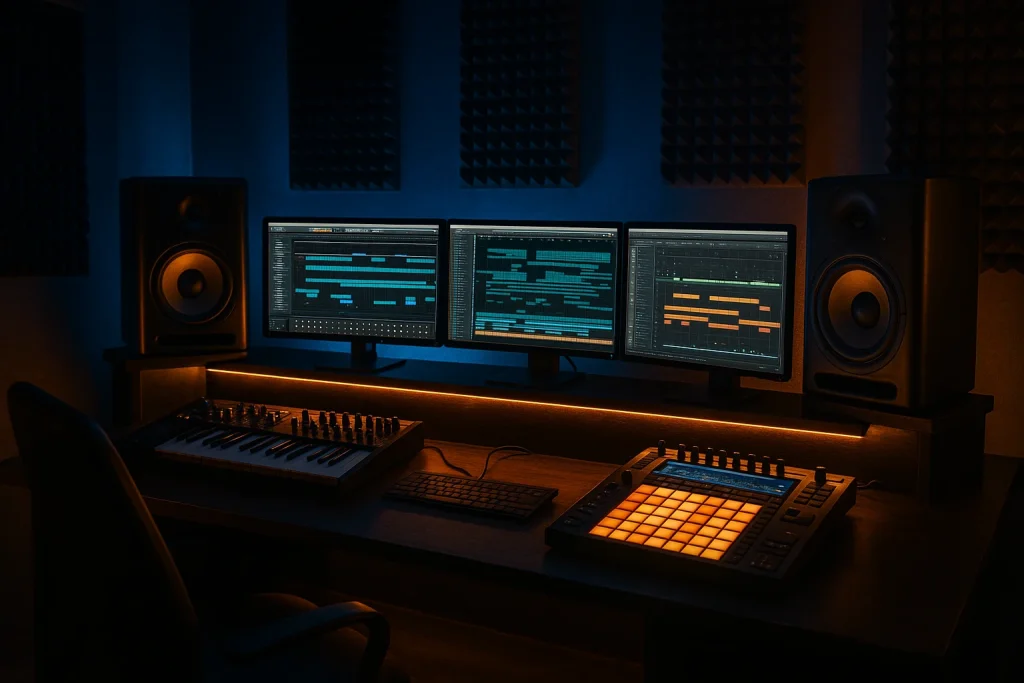
In today’s digital age, beatmatching has evolved with technology, offering DJs tools like sync buttons and BPM displays. However, the ability to manually beatmatch remains a respected and valuable skill. This guide is for those who seek to transcend the button-pushing and embrace the true essence of DJing.
Understanding Tempo and BPM
To effectively beatmatch, one must first grasp the concept of tempo, measured in beats per minute (BPM). Understanding BPM is crucial, as it determines the speed at which a song is played. Tracks with similar BPMs are easier to mix, while those with different BPMs require more finesse.
The Role of BPM in Beatmatching
When two tracks have the same BPM, they move at the same pace, making synchronization straightforward. However, when mixing tracks with varying BPMs, DJs must adjust the tempo using pitch control or tempo sliders on their equipment. This adjustment ensures that the tracks align rhythmically, allowing for smooth transitions.
The relationship between tempo and BPM is not just technical but also cultural. For instance, house music typically ranges from 120–130 BPM, while drum and bass can exceed 160 BPM. Understanding these nuances is crucial for selecting tracks that complement each other.
Equipment and Tools for Beatmatching
Today, DJs have access to a wide array of equipment that aids in beatmatching. While traditional turntables and vinyl remain popular, digital controllers and DJ software have revolutionized the process. Selecting the right tools depends on your personal style and the type of music you play.
Choosing the Right Equipment
For those starting out, selecting the best DJ controller is crucial. Beginners might find resources like the best DJ controller for beginners 2026 guide helpful. Advanced DJs often opt for high-quality turntables or CDJs, which offer greater control over pitch adjustments and tempo.
DJs should also consider their software options. Popular choices include Rekordbox and Serato, both of which offer extensive features for beatmatching. For a detailed comparison, check out Rekordbox vs Serato – Which Is Better?
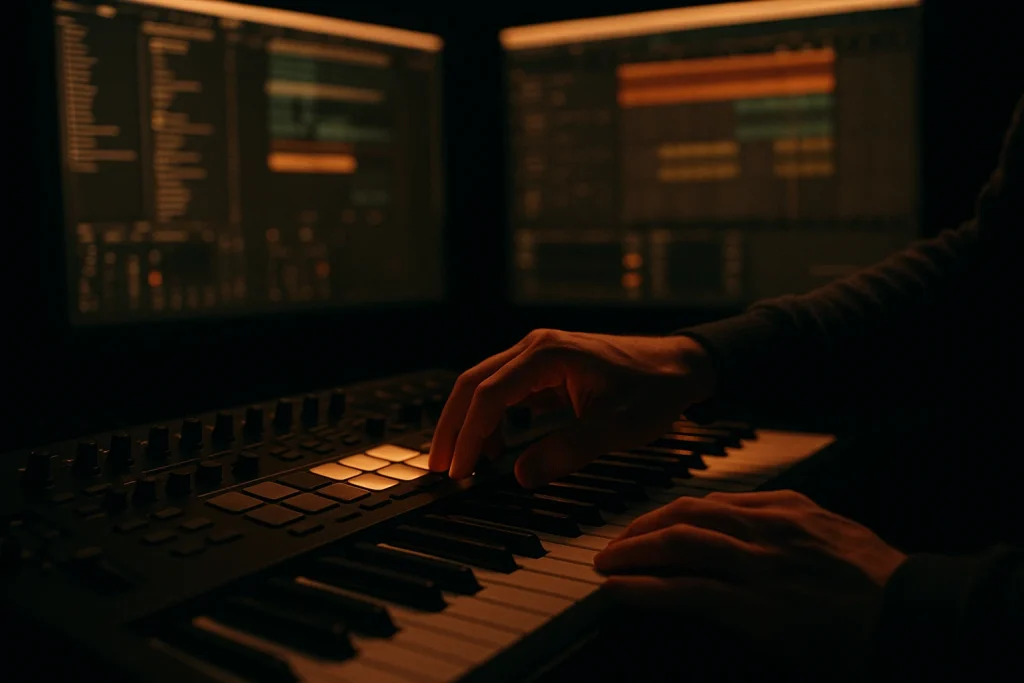
Techniques for Manual Beatmatching
While technology offers shortcuts, manual beatmatching remains a respected skill. This section will guide you through the step-by-step process of manually aligning two tracks without relying on a sync button.
Step-by-Step Manual Beatmatching
- Listen to the Tracks: Before attempting to mix, deeply listen to the tracks you plan to use. Identify the kick drums and other percussive elements that will help you sync the beats.
- Use the Pitch Control: Adjust the tempo of one track to match the other using the pitch control slider. This may require fine adjustments to ensure alignment.
- Align the Beats: Start both tracks and use the jog wheel to manually nudge one track until the beats are in sync. This may take practice and patience.
- Monitor with Headphones: Use headphones to closely monitor the tracks while adjusting. This ensures you’re hearing the mix clearly, which is crucial for precise beatmatching.
Common Beatmatching Mistakes and How to Avoid Them
Even experienced DJs can fall into common pitfalls when beatmatching. Awareness of these mistakes and how to avoid them is essential for maintaining a clean mix.
Avoiding the Pitfalls
- Over-Reliance on Technology: While sync buttons are convenient, they can lead to complacency. Practice manual beatmatching to hone your skills.
- Ignoring the Structure of a Track: Understanding the structure of a track, including its breakdowns and drops, is essential for timing your transitions effectively.
- Not Practicing Enough: Consistent practice is key. Set aside dedicated time to practice beatmatching, experimenting with different genres and tempos.
For those seeking unique tracks to enhance their practice sessions, explore options like Exclusive Tracks for DJs and discover music that can set your sets apart.
Expert Tips for Mastering Beatmatching
As you refine your beatmatching skills, consider these expert tips from industry professionals to elevate your mixes.
Insights from the Pros
- Develop a Signature Style: Beyond technical skills, cultivate a unique style that reflects your musical identity. This involves selecting tracks that resonate with your audience and experimenting with different mixing techniques.
- Learn from the Legends: Study the techniques of legendary DJs by listening to their sets and observing their transitions. Platforms like Resident Advisor offer access to a vast array of mixes from renowned DJs.
- Utilize Modern Tools: While manual skills are vital, modern tools like Splice can enhance your production capabilities. Explore resources like Splice for access to samples and sounds that can inspire innovative mixes.
Integrating Beatmatching into Your DJ Sets
Once you’ve honed your beatmatching skills, the next step is integrating them seamlessly into your DJ sets. This involves understanding your audience, selecting the right tracks, and executing transitions that maintain energy and flow.
Crafting a Cohesive Set
Building a cohesive set requires careful preparation and an understanding of your audience’s preferences. For DJs looking to expand their music library, resources on how to get more music for DJ sets provide valuable insights into sourcing exclusive and high-quality tracks.
Additionally, standing out as a DJ involves more than just mixing skills; it requires a strategic approach to music selection and audience engagement.
Frequently Asked Questions
What is beatmatching?
Beatmatching is the process of syncing the tempos of two tracks to ensure they play in harmony. This technique is crucial for seamless transitions in DJ sets.
Do I need to know how to beatmatch manually if I use digital software?
While digital software offers tools like sync buttons, knowing how to beatmatch manually is a valuable skill that enhances your DJing capabilities and provides greater control over your mixes.
How can I practice beatmatching effectively?
Set aside regular practice sessions, experiment with different genres, and use unique tracks to challenge your skills. Resources like Where to Get Exclusive Music as a DJ can be invaluable.
What equipment is essential for beatmatching?
Essential equipment includes a DJ controller or turntables with pitch control, headphones for monitoring, and comprehensive DJ software. Choosing the right gear depends on your experience level and style.
Where can I find more music to practice my beatmatching skills?
Consider exploring exclusive ghost-produced tracks to broaden your music selection and practice with unique sounds.
As the art of DJing continues to evolve, mastering skills like beatmatching will set you apart from the crowd. For those interested in further enhancing their repertoire, consider exploring services like ghost production for custom tracks that can add a unique touch to your sets and elevate your performance.
Last updated:
Stand Out From Every Other DJ
The DJs who get booked and remembered play music nobody else has. Commission exclusive ghost-produced tracks and edits made specifically for your sound.