
How to Fix Bad DJ Transitions – Common Mistakes
How to Fix Bad DJ Transitions – Common Mistakes
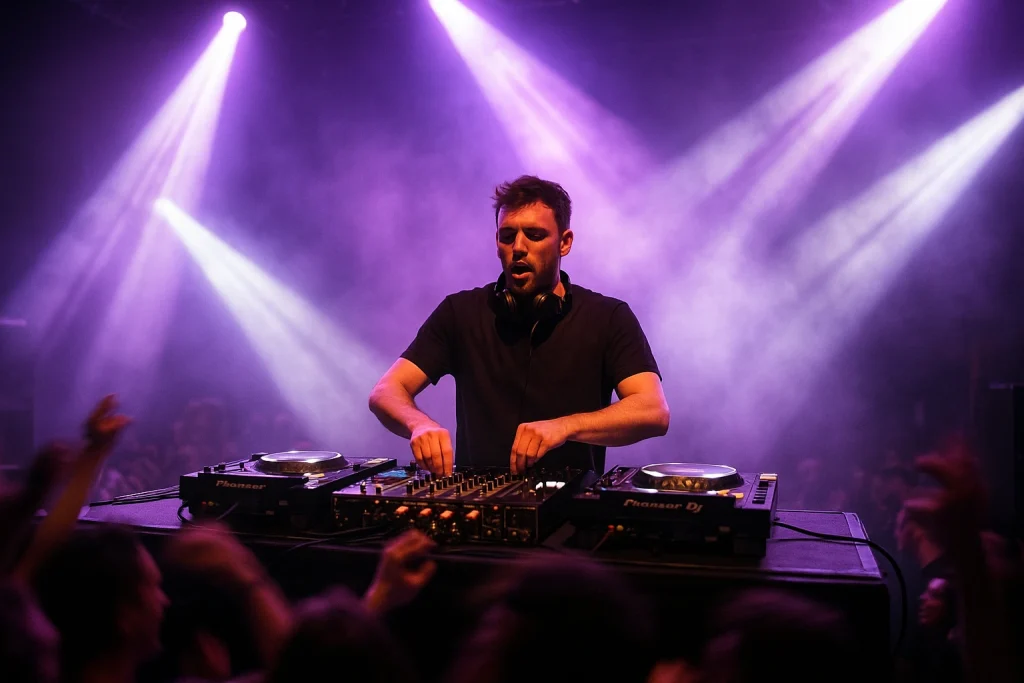
In the high-energy world of DJing, seamless transitions between tracks can make or break a set. Poor transitions can disrupt the energy flow, confuse the audience, and detract from the overall experience. Understanding how to fix bad DJ transitions is essential for any DJ aspiring to keep the dance floor alive. In this comprehensive guide, we’ll explore common mistakes, provide actionable solutions, and highlight techniques used by top DJs to ensure smooth transitions.
Modern DJing involves more than just playing one track after another. It requires a mastery of techniques like beatmatching, harmonic mixing, and timing. According to a survey conducted by DJ Mag in 2025, 72% of professional DJs stated that mastering transitions was the most critical aspect of their craft. However, even seasoned DJs encounter challenges. Let’s delve into these common pitfalls and how to overcome them.
Understanding Common Transition Mistakes
Before diving into solutions, it’s crucial to identify the mistakes that lead to poor transitions. These errors can stem from technical missteps or a lack of understanding of the musical theory behind mixing.
Clashing Keys and Harmonic Dissonance
One of the most jarring mistakes is transitioning between tracks that are in conflicting keys. This can create harmonic dissonance, which listeners perceive as off-putting. Using tools like the Camelot Wheel can help DJs understand harmonic mixing, ensuring tracks blend musically.
For those new to harmonic mixing, our Harmonic Mixing Guide offers a detailed explanation of the Camelot Wheel and how it can be used to avoid clashing keys.
Incorrect Tempo and Beatmatching
Another frequent error is failing to match the tempo of the tracks accurately. This can result in awkward, offbeat transitions that interrupt the groove. Beatmatching, a fundamental DJ skill, involves aligning the beats of two tracks so they play in sync. According to Mixmag, even experienced DJs rely on practice and familiarity with their music library to perfect this skill.
Poor Timing and Energy Flow
Timing is everything in DJing. Transitioning too early or too late can kill the energy on the dance floor. Many DJs use phrasing—a technique that involves mixing tracks at specific points—to maintain energy flow. Our article on Energy Flow in DJ Sets provides insights into how to build and drop energy effectively.
Technical Solutions to Improve Transitions
Fixing bad transitions often involves leveraging technology and refining technical skills. Here are some techniques and tools that can assist you in making smoother transitions.
Using Software and Hardware Features
Modern DJ software like Serato and Rekordbox offer features that can aid in achieving seamless transitions. For instance, using sync features can help maintain tempo consistency. However, it’s essential to use these features as aids rather than crutches, as relying solely on technology can limit your growth as a DJ. For beginners, our Rekordbox Beginner Guide can help you get started with these tools.
Utilizing EQ and Effects
Equalization (EQ) is a powerful tool for eliminating frequency clashes during transitions. By adjusting the bass, mid, and treble frequencies, you can blend tracks more smoothly. Additionally, effects like reverb and delay can add creative flair and mask minor timing inaccuracies.
| Technique | Purpose | Tools |
|---|---|---|
| Harmonic Mixing | Ensures musical compatibility | Camelot Wheel, Mixed In Key |
| Beatmatching | Aligns tempos of tracks | CDJs, DJ software sync feature |
| EQ Adjustments | Balances frequencies during transitions | Mixer EQ knobs, DJ software |
| Effect Usage | Enhances transitions creatively | Delay, reverb, flanger |
Learning from Industry Examples
Many well-known DJs have shared their techniques for flawless transitions. Taking inspiration from these artists can provide practical insights into improving your skills.
For instance, Carl Cox, renowned for his seamless mixing style, often emphasizes the importance of track selection and understanding the crowd’s energy. Similarly, Nina Kraviz utilizes effects and EQ to create immersive, flowing sets. Exploring these techniques can inspire personal improvements.
Enhancing Your DJ Set with Custom Tracks
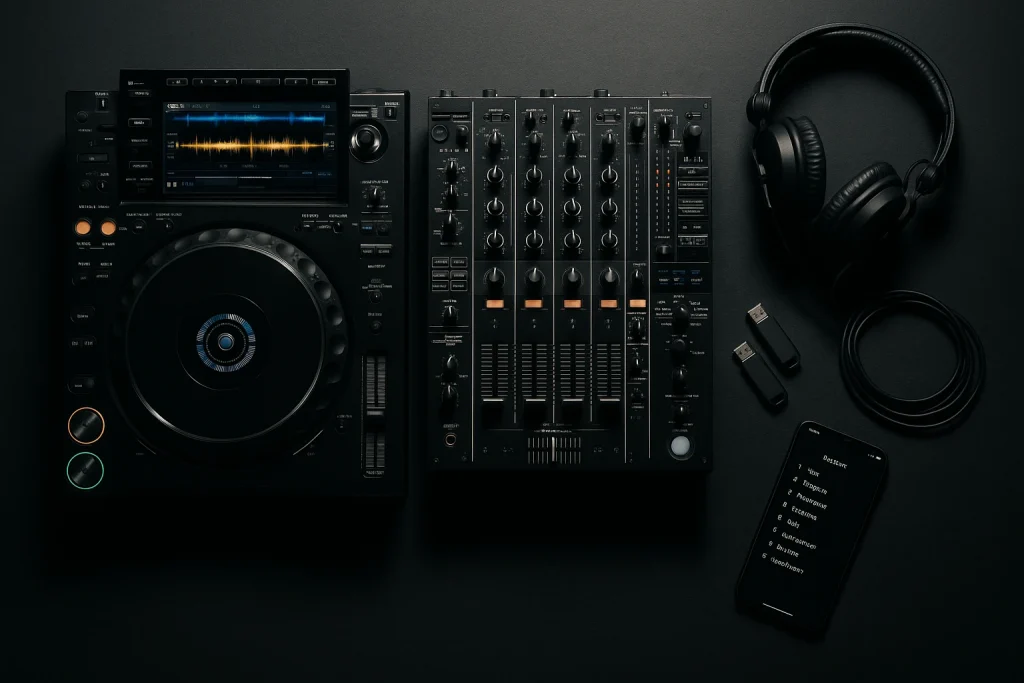
One way to ensure smoother transitions is by using custom tracks tailored to your style and set. Custom DJ Tracks allow for greater control over the transitions between songs, as they can be designed to complement each other harmonically and rhythmically.
Moreover, utilizing custom DJ edits and bootlegs can offer unique versions of tracks that are easier to mix, providing a personalized touch to your performances.
Actionable Tips for Practice and Improvement
Continuous practice is key to mastering DJ transitions. Here are some tips to help you improve:
- Regular Practice: Dedicate time each week to practice mixing and transitions. Consider setting up a home studio using our Best DJ Setup for Home Practice 2026 guide.
- Record Your Sets: Listening back to your mixes can help identify where transitions need improvement.
- Get Feedback: Share your mixes with peers or mentors and seek constructive criticism.
- Educate Yourself: Stay updated with the latest trends and techniques by following platforms like Resident Advisor.
Where to Source Exclusive and Custom Tracks
To further differentiate your sets, consider acquiring exclusive or ghost-produced tracks. Exclusive tracks for DJs and services like music production services at The Ghost Production can provide unique music tailored to your style. This not only helps with transitions but also sets you apart from the competition.
For DJs looking to expand their music library with unique tracks, our guide on Where to Get Exclusive Music as a DJ offers valuable insights.
Frequently Asked Questions
What are the most common causes of poor DJ transitions?
Common causes include clashing keys, incorrect tempo, poor timing, and lack of track knowledge. Technical challenges and inadequate preparation can also contribute.
How can I improve my beatmatching skills?
Improving beatmatching involves regular practice, listening to various music genres, and using tools like CDJs or DJ software. Our practice guide provides a routine for improvement.
Why is harmonic mixing important in DJing?
Harmonic mixing ensures that tracks blend musically without clashing keys, creating a more pleasant listening experience. It helps maintain the flow and energy of a set.
What tools can help me avoid clashing keys?
Tools like Mixed In Key and the Camelot Wheel are popular for identifying compatible tracks. Learning to recognize key signatures is also beneficial.
Where can I find exclusive tracks for my DJ sets?
Exclusive tracks can be sourced from platforms like The Ghost Production, where you can purchase or commission custom music. These tracks are tailored to suit your style and set requirements.
Last updated:
Stand Out From Every Other DJ
The DJs who get booked and remembered play music nobody else has. Commission exclusive ghost-produced tracks and edits made specifically for your sound.