
DJ Mistakes Beginners Make (And How to Avoid Them)
DJ Mistakes Beginners Make (And How to Avoid Them)
Entering the world of DJing can be an exhilarating yet challenging experience. As with any craft, beginners often make common mistakes that can hinder their progress and performance. Understanding these pitfalls is crucial for anyone aspiring to make a mark in the world of electronic dance music. In this guide, we will explore several DJ mistakes beginners make and provide actionable advice on how to avoid them.
From poor transitions to energy mismatches, these issues can significantly impact your set’s flow and audience engagement. With the electronic music scene continuing to thrive in 2026, driven by a global revenue of over $8 billion, according to the International Music Summit Report, mastering these basics is more important than ever.
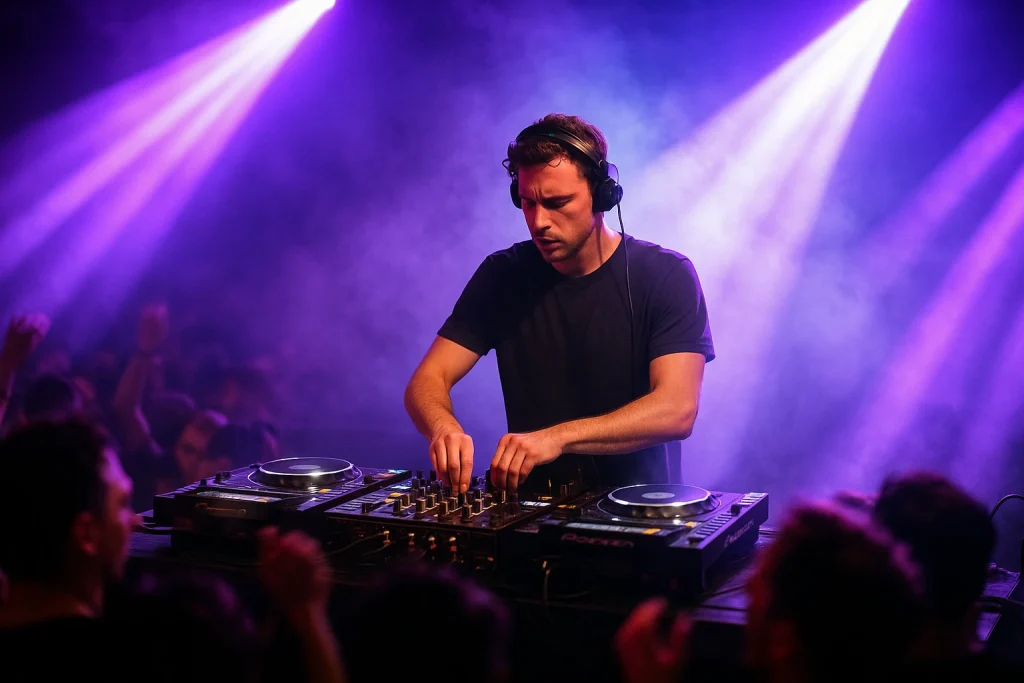
Whether you’re playing at a small local venue or planning to live stream your set online, understanding these common mistakes and how to correct them can elevate your skills and confidence. Let’s dive into the essential components every DJ should focus on to avoid common pitfalls and enhance their craft.
Poor Transition Techniques
One of the most noticeable errors beginners make is poor transition techniques. Achieving seamless transitions is vital for maintaining the momentum and mood of your set. Without it, even the most well-curated tracklist can fall flat.
Understanding Beatmatching
Beatmatching is the art of aligning the tempo and phase of two tracks to make them sound coherent when played together. Misjudging this can lead to clashing beats and a disrupted flow. According to MusicRadar, using tools like the sync button can help, but relying solely on technology without understanding the fundamentals can limit your growth as a DJ.
Phrasing and Timing
Phrasing involves matching the structure of one track to another. This requires an understanding of song structure, typically in 4 or 8-bar phrases. For more insights into DJ phrasing, check out our detailed guide on DJ Phrasing Explained.
Inconsistent Energy Levels
Maintaining the right energy level throughout your set is crucial. Beginners often err by not assessing the appropriate energy progression, leading to a disjointed experience for the audience.
Track Selection
Choosing the right tracks is about more than just personal preference. It involves understanding the venue, the audience, and the mood you want to create. Develop a dynamic set list that adapts to the crowd’s energy. For practical advice on building a set list, explore our guide on How to Build a DJ Set List.
Energy Flow
Mixing high-energy tracks with lower tempo songs without a proper transition can create awkward energy dips. Plan your transitions to gradually build or decrease energy, maintaining a cohesive flow that keeps the crowd engaged.
Improper Use of EQ
Equalization (EQ) is a critical tool in a DJ’s arsenal, yet it’s often misused by beginners. Proper EQing can enhance your mix by balancing frequencies and ensuring clarity.
Understanding EQ
EQ controls the balance of frequencies in a track. Mismanaging these frequencies can result in a muddy or overly bright mix. Using EQ to cut unwanted frequencies rather than boosting, can provide a cleaner sound. For an in-depth look at EQ techniques, our Equalization Guide is an invaluable resource.
Practical Application
Practice using EQ on your tracks to understand how different changes affect the sound. Regularly listening to professional mixes can also help you train your ear to detect well-balanced audio.
Overreliance on Technology
While modern DJ equipment offers powerful features, overreliance on technology without understanding the basics can hinder your development.
Manual Skills
Focusing on developing manual skills such as beatmatching and phrase matching can give you greater control over your sets. Technology should enhance your performance, not replace basic skills. If you’re looking to practice these skills at home, our DJ at Home Setup Guide offers practical tips.
Equipment Knowledge
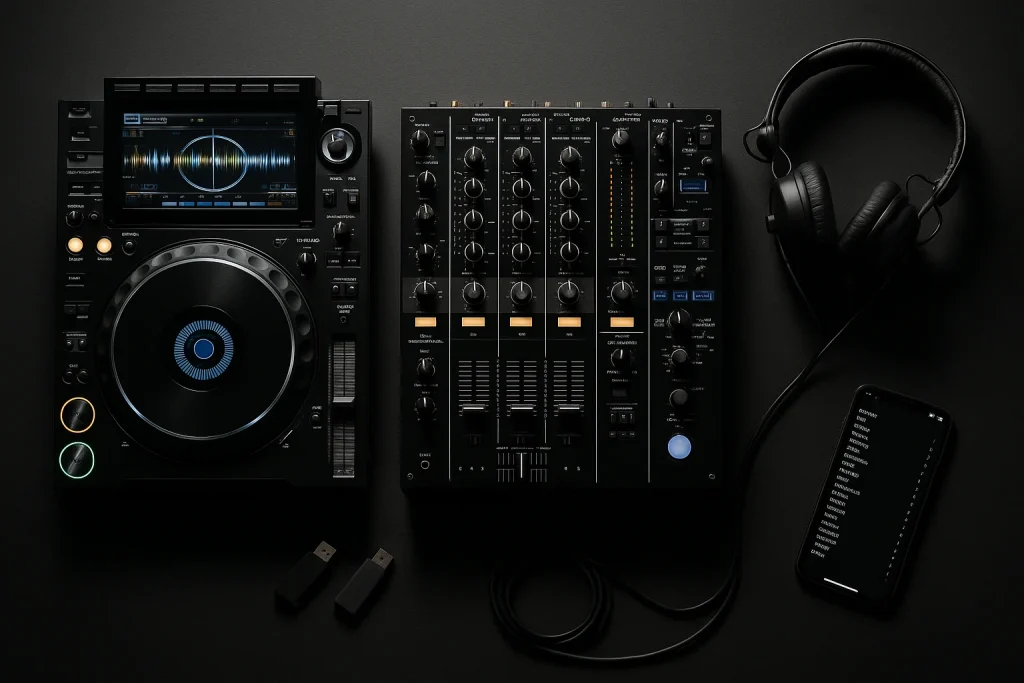
Understanding your equipment thoroughly can prevent technical mishaps during a gig. Familiarize yourself with the setup and functionality of your gear by referring to our Best DJ Controllers 2026 guide.
Ineffective Audience Engagement
DJs are not just music players; they are performers who must engage with their audience to create an unforgettable experience.
Reading the Crowd
Being able to read the crowd and adapt your set accordingly is crucial. This might involve changing your planned set list or adjusting the energy level based on the audience’s response.
Performance Interaction
Engaging with the crowd through gestures, eye contact, or mic communication can significantly enhance the atmosphere and connection you have with the audience.
Neglecting Pre-Gig Preparation
Preparation is key to a successful DJ set. Beginners often underestimate the importance of practicing and preparing before a gig.
Practicing Your Set
Rehearsing your set allows you to anticipate transitions and energy shifts. For daily improvement, consider our guide on How to Practice DJing Daily.
Backup Plans
Always have a backup plan for technical failures, such as a secondary music source or backup equipment. This can save your set from unexpected issues.
Leveraging Resources for Growth
To avoid these common mistakes and grow as a DJ, it’s crucial to leverage available resources. Platforms like Beatport and SoundCloud are excellent for discovering new music and networking with other artists. Additionally, Splice offers a range of samples and sounds to enhance your productions.
For those seeking custom tracks or needing assistance with music production, exploring ghost production services can provide tailored solutions that align with your brand. Whether you’re looking to buy exclusive tracks or learn how ghost production works, these services can offer invaluable support.
Frequently Asked Questions
What is the most common mistake beginner DJs make?
The most common mistake is poor transition techniques, including beatmatching and phrasing issues, which can disrupt the flow of the set.
How can I improve my DJ transitions?
Practice beatmatching manually to develop your ear and timing. Understanding song structure and using EQ effectively can also enhance your transitions.
Why is it important to adjust energy levels in a DJ set?
Proper energy management keeps the audience engaged and ensures a cohesive flow throughout the set, preventing sudden dips or spikes in energy.
How can I better engage with my audience during a set?
Engage by reading the crowd and adapting your set accordingly, using gestures and eye contact to connect with the audience and enhance the performance experience.
Where can I find resources to improve my DJ skills?
Platforms like Resident Advisor, Mixmag, and services like The Ghost Production offer a wealth of resources, tutorials, and custom music services to enhance your skills.
Last updated:
Stand Out From Every Other DJ
The DJs who get booked and remembered play music nobody else has. Commission exclusive ghost-produced tracks and edits made specifically for your sound.