
DJ Edits and Bootlegs – Custom Edits for Your Sets
DJ Edits and Bootlegs – Custom Edits for Your Sets
In the ever-evolving world of DJing, making your sets stand out is crucial. One way DJs differentiate themselves is through the use of DJ edits and bootlegs. These customized tracks offer a unique twist, allowing DJs to inject their personal style into their performances. But what exactly are DJ edits and bootlegs, and how can you harness their potential to elevate your sets?
DJ edits are custom versions of tracks, tailored to fit seamlessly into a DJ’s set. They can include extended intros or outros, rearranged sections, or added production elements. Bootlegs, on the other hand, are unofficial remixes or mashups of existing songs, often crafted to surprise and captivate audiences in ways the original tracks could not.
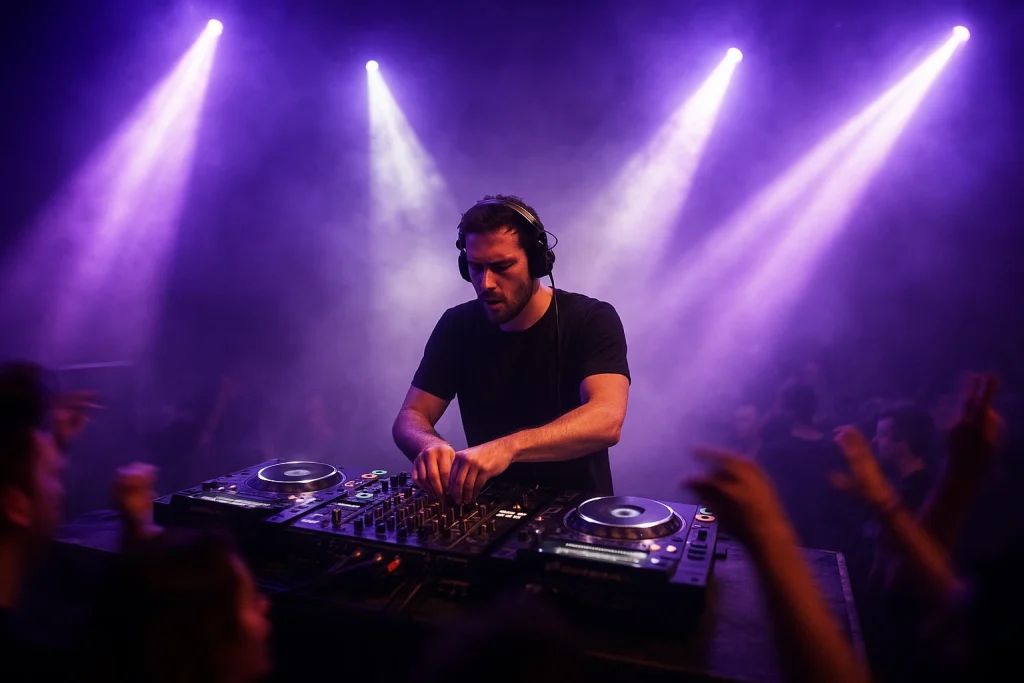
In this comprehensive guide, we’ll delve into the history, technical aspects, and creative opportunities that DJ edits and bootlegs offer. Whether you’re a seasoned professional or just starting out, understanding these concepts can provide you with the tools to craft unforgettable performances.
The History and Evolution of DJ Edits and Bootlegs
DJ edits and bootlegs have been part of the DJ culture since the late 1970s. Originating from the disco era, DJs would create extended versions of popular tracks by splicing tape reels. This allowed them to keep dance floors moving without interruptions. With the advent of digital technology, creating edits and bootlegs became more accessible, democratizing the art form.
Artists like Beatport have cataloged numerous bootlegs and edits, showcasing the creativity and innovation of DJs worldwide. Today, these custom versions are a staple in club and festival sets, helping DJs like Carl Cox and The Chainsmokers build their unique sound.
Technical Aspects: How to Create DJ Edits and Bootlegs
Creating DJ edits and bootlegs requires a combination of technical skills and creative flair. Most DJs use digital audio workstations (DAWs) like Ableton Live or Logic Pro to craft their edits. These platforms offer powerful tools for slicing, rearranging, and layering audio tracks.
Key technical elements to consider include:
- Tempo Adjustment: Ensure your edits match the tempo of your set for seamless transitions.
- EQ and Effects: Use equalizers and effects to enhance or alter the original sound.
- Layering: Add new layers, such as percussion or synths, to create dynamic and engaging edits.
For those new to music production, resources like Splice offer tutorials and sample packs to help you get started.
Creative Opportunities: Standing Out with Your Sets
DJ edits and bootlegs provide endless creative possibilities. They allow you to reinterpret tracks, adding your signature touch. For instance, adding a heavier bassline or a unique vocal sample can transform a well-known song into something fresh and exciting.
Innovative DJs like Peggy Gou have made a name for themselves by incorporating unexpected elements into their sets. By blending genres and styles, they keep audiences engaged and eager for more. Consider how you can use edits and bootlegs to reflect your musical identity, setting you apart in a crowded industry.
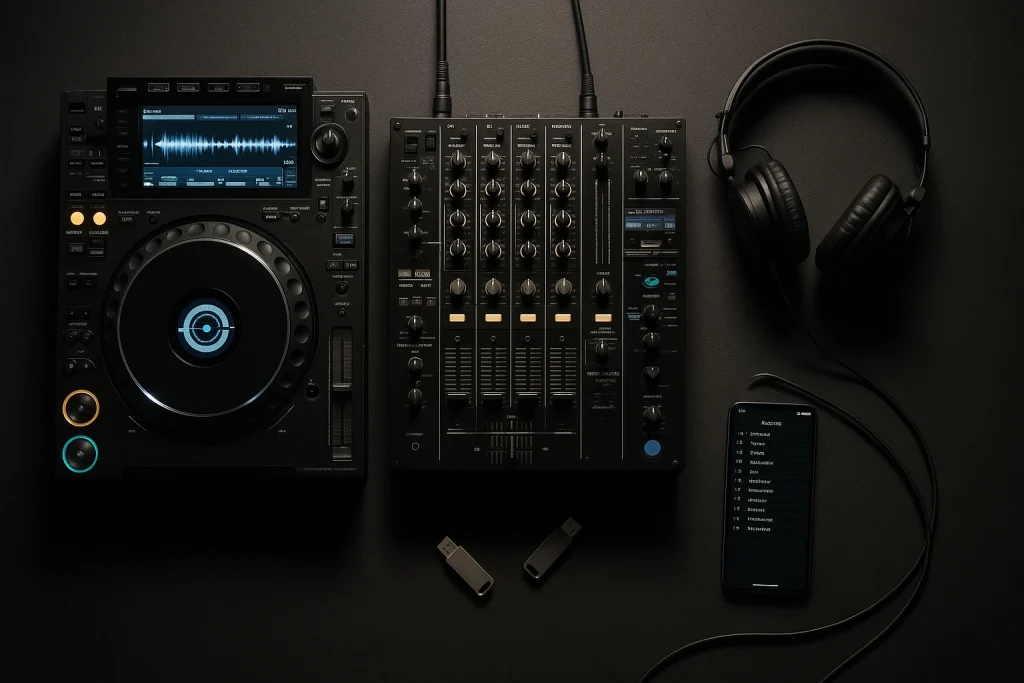
To explore more on crafting unique tracks, check out Custom DJ Tracks – Order Music Made for Your Sets.
Myths vs. Realities of DJ Edits and Bootlegs
There are several misconceptions about DJ edits and bootlegs. Let’s debunk some common myths:
- Myth: Only famous DJs can make good edits and bootlegs.
Reality: With the right tools and creativity, anyone can produce compelling edits, regardless of their fame. - Myth: Bootlegs are illegal.
Reality: While bootlegs are unofficial, they often operate in a legal gray area. Always ensure you have the necessary permissions when possible, especially for commercial use. - Myth: Edits don’t require musical knowledge.
Reality: Understanding music theory can enhance the quality of your edits, making them more impactful and cohesive.
The Role of DJ Edits and Bootlegs in Modern DJing
In contemporary DJing, edits and bootlegs are not just tools for personalization; they are essential elements that contribute to a DJ’s brand and identity. Many DJs use custom edits to highlight their personal style and musical influences. This approach is crucial for those looking to make a mark in the industry.
Furthermore, having exclusive versions of popular tracks can be a significant draw for audiences. It offers something fresh that can’t be heard elsewhere, adding value to live sets.
DJs interested in expanding their repertoire with exclusive music can explore options at Exclusive Tracks for DJs | Unique Music.
Comparative Analysis: Edits, Bootlegs, and Official Remixes
| Type | Description | Legal Status | Distribution |
|---|---|---|---|
| DJ Edits | Custom versions of tracks for personal use in sets. | Generally legal for personal use. | Limited to live performances. |
| Bootlegs | Unofficial remixes or mashups. | Legal gray area; unofficial. | Typically shared privately or through underground channels. |
| Official Remixes | Sanctioned remixes by original artist or label. | Fully legal and licensed. | Commercially released and distributed. |
Actionable Advice for Aspiring DJs
If you’re eager to incorporate DJ edits and bootlegs into your sets, here are some actionable tips:
- Start with simple edits, such as extending intros or adding effects to build confidence in your production skills.
- Join online communities and forums to exchange ideas and feedback. Platforms like SoundCloud are excellent for showcasing your work and connecting with fellow DJs.
- Consider collaborating with a ghost producer for high-quality, custom tracks. Visit Ghost Production for DJs – Custom Tracks for Your Brand for professional services.
Embracing DJ edits and bootlegs can significantly enhance your sets, offering exclusive experiences to your audience. Explore services like Hire a Ghost Producer / Music Production Services for tailored production assistance.
Frequently Asked Questions
What equipment do I need to create DJ edits and bootlegs?
You’ll need a digital audio workstation (DAW) such as Ableton Live or Logic Pro, along with a computer capable of running these programs. High-quality headphones or studio monitors are also essential for precise audio editing.
Are DJ edits and bootlegs legal?
DJ edits are generally legal for personal use in live sets. Bootlegs occupy a legal gray area, and while they are often tolerated, it’s important to avoid commercial distribution without proper permissions.
How can DJ edits and bootlegs improve my sets?
They allow you to personalize your performances, stand out from other DJs, and provide audiences with unique versions of popular tracks, enhancing the overall experience.
Where can I find resources to learn more about creating edits?
Platforms like Splice and MusicRadar offer tutorials and resources for learning music production and remixing techniques.
Can I sell my DJ edits and bootlegs?
Officially, no. DJ edits and bootlegs are typically used for personal performances and are not intended for commercial sale. For commercial projects, consider creating official remixes with the necessary permissions.
Last updated:
Ready to Scale Your Music Output?
Release more music, hit more deadlines, and build a stronger catalog — with professional ghost production that sounds exactly like you.