
Custom Music Production – Made to Order
Custom Music Production – Made to Order
In the ever-evolving landscape of music, custom music production has become an indispensable service for DJs, producers, and artists seeking to create a unique sound. As we move deeper into 2026, the demand for tailored audio experiences continues to surge, driven by the dual forces of technology and consumer desire for personalization. This guide dives deep into the realm of custom music production, offering insights, practical advice, and industry knowledge for those eager to harness its potential.
Custom music production isn’t just about crafting a bespoke track. It encompasses a range of services, from creating original compositions to producing remixes and edits tailored to specific briefs. This flexibility is vital for DJs who want tracks that fit seamlessly into their sets, producers looking to expand their discography, and labels aiming to cultivate a distinct sound. The process not only involves technical prowess but also a keen understanding of musical trends and audience preferences.
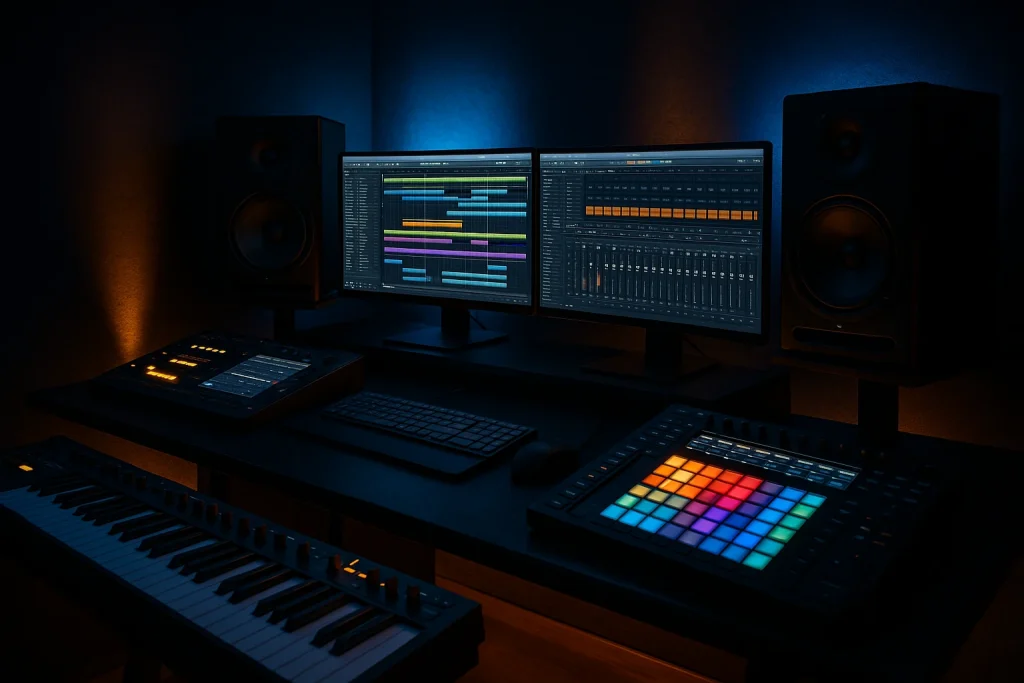
Historically, custom music production has its roots in the early days of electronic music. When synthesizers and drum machines gained popularity in the 1980s, they allowed producers to experiment with sounds and create tracks that were uniquely theirs. Today, this concept has evolved. With platforms like Splice and SoundCloud, creators can access a vast array of samples and tools to enhance their productions, further blurring the lines between traditional composition and modern digital artistry.
The Importance of Customization in Music
The music industry thrives on innovation and individuality. Custom music production offers a pathway to both, providing artists with the means to distinguish themselves in a saturated market. Custom tracks can be tailored to highlight an artist’s strengths and cater to their audience’s tastes, resulting in a more engaging and memorable experience.
For DJs, custom tracks are a game-changer. Unique edits and remixes allow them to craft a set that stands out, offering something fresh to their audience. Whether it’s a reimagined classic or an entirely new composition, custom music ensures that their performance is not just heard but felt.
The Process Behind Custom Music Production
Creating a custom track involves several key steps, each requiring careful consideration and expertise. Here’s a typical workflow:
- Client Briefing: Understanding the client’s vision is crucial. This stage focuses on identifying the desired style, mood, and purpose of the track.
- Concept Development: Producers brainstorm ideas and draft initial concepts, often using reference tracks as a guide.
- Composition and Arrangement: This involves creating melodies, harmonies, and rhythms that align with the client’s vision. Tools like Ableton Live and FL Studio are popular choices among producers.
- Sound Design: Customizing sounds to give the track a unique character. This might involve synthesizing new sounds or manipulating samples.
- Mixing and Mastering: Ensuring the track sounds polished and professional across all playback systems. This step is crucial for maintaining audio quality.
Notable Artists and Success Stories
Many prominent artists have embraced custom music production, using it as a vehicle to expand their creative boundaries. For instance, renowned DJs like Calvin Harris and David Guetta have long collaborated with ghost producers to craft chart-topping hits. These collaborations often remain under wraps, allowing the main artist to maintain their public persona while benefiting from the expertise of skilled producers.
Successful custom productions often lead to innovative sounds that define genres. Consider the rise of future bass, a genre popularized by the likes of Flume and Illenium, which emerged from custom production techniques that blended disparate electronic elements into cohesive tracks.
Technical Aspects and Tools
The tools used in custom music production are as varied as the sounds they help create. Popular DAWs (Digital Audio Workstations) like Ableton Live, Logic Pro X, and FL Studio are staples in a producer’s toolkit. Each offers unique features that cater to different aspects of production, from live performance capabilities to intricate arrangement tools.
Beyond DAWs, producers often rely on virtual instruments and plugins. Serum and Kontakt are frequently used for their versatility in sound design, while plugins like iZotope Ozone are essential for mastering. These tools collectively empower producers to translate their creative vision into tangible audio experiences.
Comparative Analysis of Popular DAWs
| DAW | Strengths | Ideal For |
|---|---|---|
| Ableton Live | Live performance, intuitive interface | Electronic music, DJing |
| Logic Pro X | Robust sound library, user-friendly | Songwriting, recording |
| FL Studio | Piano roll, lifetime updates | Beat-making, EDM |
Common Myths and Realities
Despite its growth, custom music production is often misunderstood. One common myth is that it’s only for top-tier artists with hefty budgets. In reality, custom production services are accessible to a wide range of clients, from aspiring producers to established labels.
Another misconception is that custom tracks lack authenticity. However, the opposite is true when done correctly. Custom production allows artists to express their individuality through music that resonates personally and professionally.
Expert Tips for Engaging with Custom Music Production
For those considering custom music production, here are some expert tips to maximize the experience:
- Define Your Goals: Clearly articulate what you hope to achieve with the project to guide the production process effectively.
- Choose the Right Producer: Look for someone whose expertise aligns with your musical vision and who has a proven track record with similar projects.
- Be Open to Collaboration: Successful custom production often involves a collaborative approach. Be open to feedback and suggestions from your producer.
- Stay Involved: Regular communication with your producer will ensure the project stays on track and meets your expectations.
Custom music production is a powerful tool for artists seeking to enhance their creative repertoire. Whether you’re a DJ looking to stand out or a producer aiming to expand your discography, engaging with custom production can offer new avenues for artistic expression. For those ready to explore this option, services like Hire a Ghost Producer / Music Production Services offer professional support to bring your musical ideas to life.
Frequently Asked Questions
What is custom music production?
Custom music production involves creating music tailored to specific requirements and briefs. This can include original compositions, remixes, or edits designed to fit a specific style or purpose.
Who can benefit from custom music production?
Artists, DJs, and music labels can all benefit from custom music production. It allows them to create unique tracks that reflect their brand and meet the needs of their audience.
How does custom music production differ from ghost production?
While both involve creating music for clients, custom music production is specifically tailored to the client’s detailed specifications, whereas ghost production might involve creating tracks that the client can claim as their own without specific customization.
What are the costs associated with custom music production?
Costs can vary widely depending on the complexity of the project, the expertise of the producer, and the specific requirements of the track. It’s important to discuss budgets upfront with your producer.
Can custom music production help me get signed to a label?
Yes, a well-produced custom track can enhance your portfolio and appeal to A&R representatives, increasing your chances of getting signed. For more tips, check out our guide on how to get signed as a producer.
Last updated:
Ready to Scale Your Music Output?
Release more music, hit more deadlines, and build a stronger catalog — with professional ghost production that sounds exactly like you.