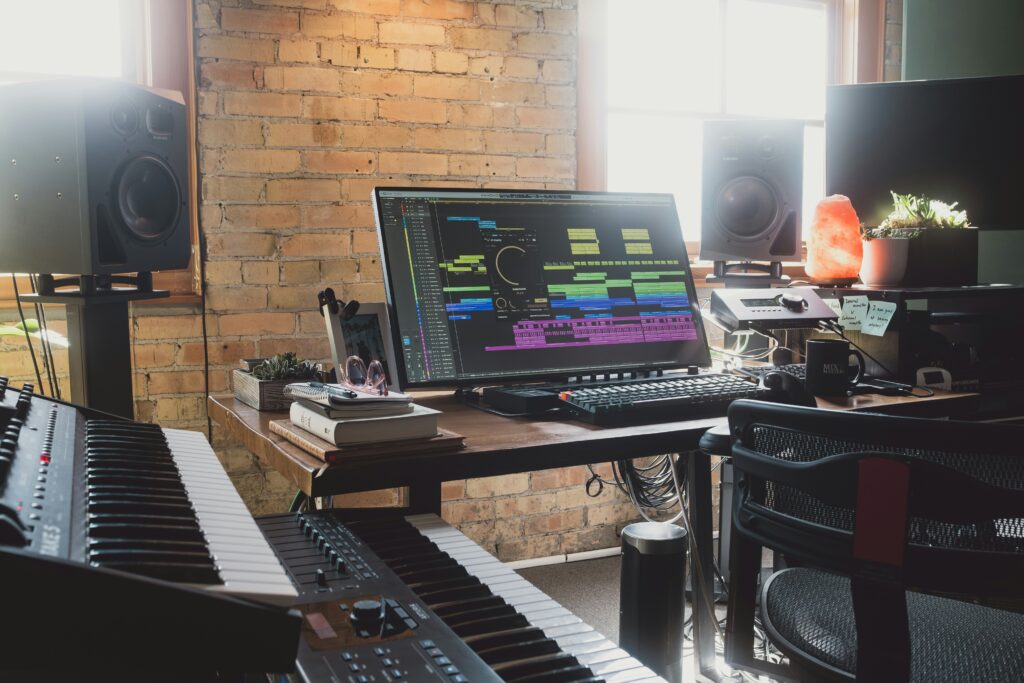
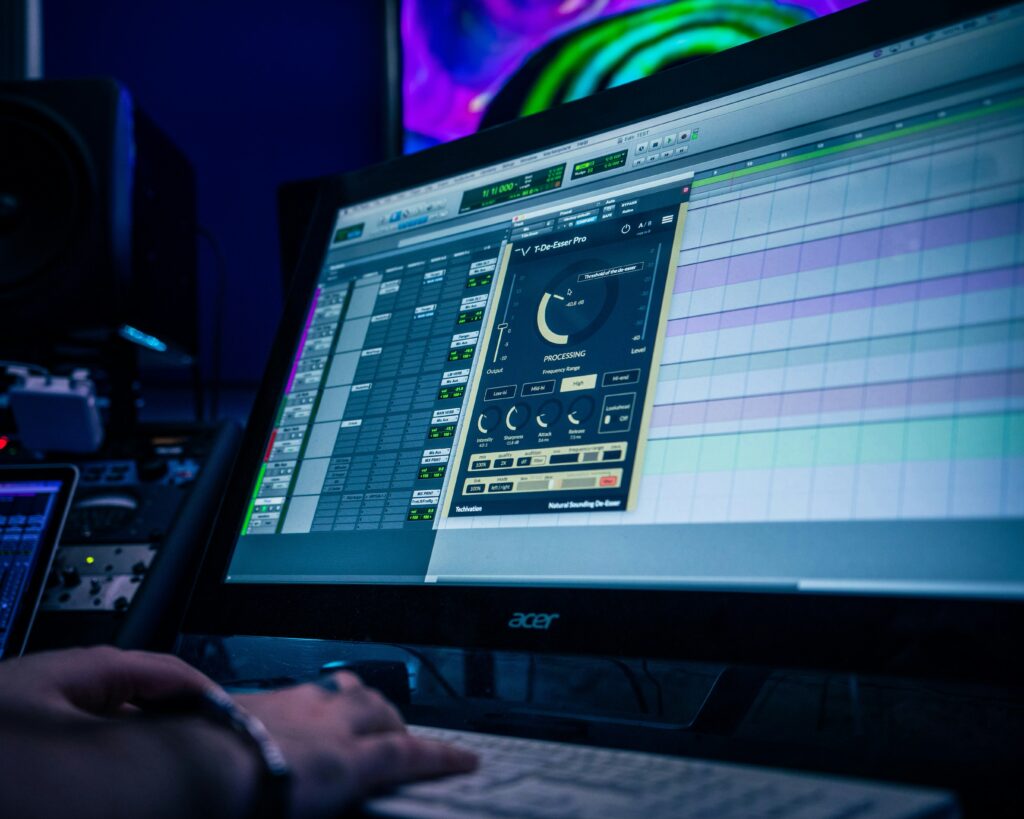
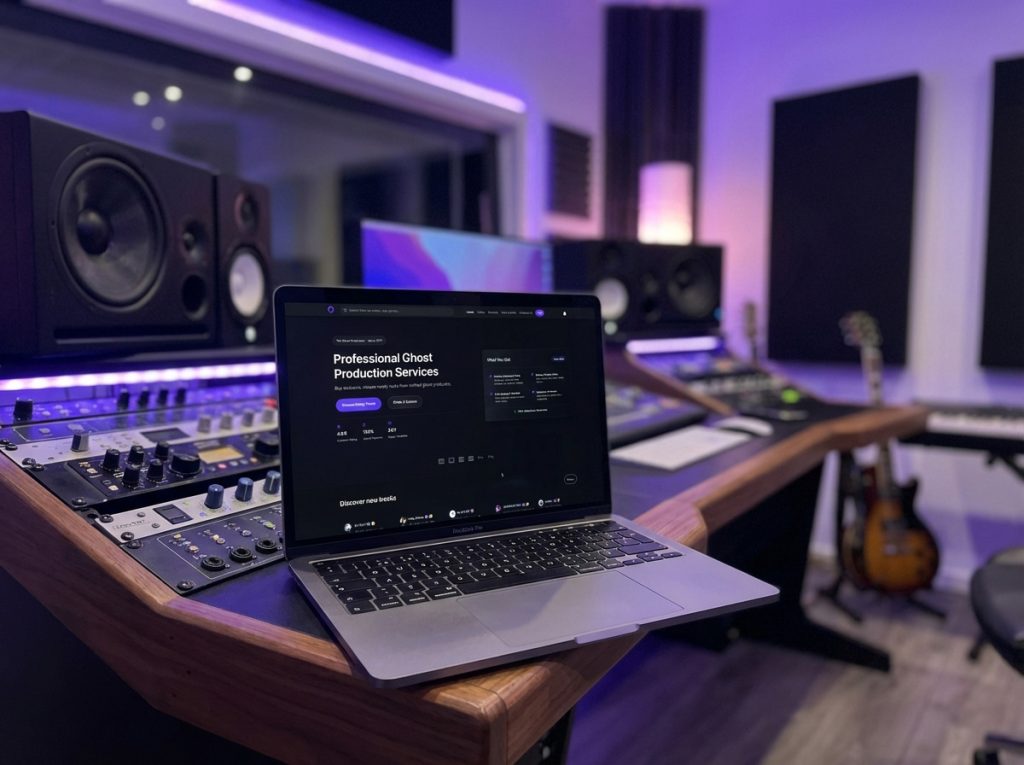
The music industry is constantly evolving, and understanding how to make money as a music producer is essential for thriving in 2025. With so many opportunities available, both new and experienced producers can tap into multiple income streams. This guide will show you 10 proven ways to make money as a music producer, covering strategies from ghost production to freelance mixing. 1. How to Make Money as a Music Producer with Ghost Production Ghost production is one of the best ways to make money as a music producer in 2025. By creating tracks that other artists or DJs can release under their own name, you can earn significant upfront fees and, in some cases, royalties. Ghost production allows artists to focus on performing while you stay behind the scenes. Platforms like The Ghost Production enable you to sell your tracks directly to buyers, giving you access to a large market of clients looking for high-quality music. Ghost production is particularly popular in EDM, pop, and other electronic genres, where demand for new tracks is constant. Tip: Build a portfolio of high-quality, versatile tracks that appeal to different genres to attract more clients. 2. How to Make Money as a Music Producer Through Music Licensing and Sync Deals Music licensing and sync deals are another excellent way to make money as a music producer. Sync deals involve licensing your music for use in movies, TV shows, video games, and online content. With the explosion of digital media, producers can earn money by allowing their tracks to be used in commercials, YouTube videos, or podcasts. Platforms like AudioJungle, Epidemic Sound, and Artlist allow you to upload your music for licensing. Once your track is selected, you can earn licensing fees or royalties, providing a steady income stream. Sync deals are perfect for producers looking to diversify their revenue sources while continuing to create music. Tip: Focus on creating diverse, mood-specific tracks to cater to a wide range of sync opportunities. 3. Selling Sample Packs: A Passive Way to Make Money as a Music Producer Selling sample packs and sound kits is a popular, passive way to make money as a music producer. Producers around the world are constantly looking for new sounds to improve their productions, and if you’re skilled at sound design, this is a lucrative market. Sample packs can include drum loops, one-shots, synth patches, and construction kits. Platforms like Splice, Loopmasters, and your own website allow you to sell your sample packs repeatedly, generating passive income. The key is to create high-quality packs that stand out from the competition. Producers often look for niche sound kits that are hard to find elsewhere, such as those focused on specific genres like lo-fi, house, or trap. Tip: Make sure to market your packs effectively by targeting social media platforms and collaborating with influencers in the production community. 4. Offering Online Courses: A Profitable Way to Make Money as a Music Producer If you’re an experienced producer, teaching others how to make money as a music producer can be another revenue stream. In 2025, online education continues to grow, and many aspiring producers are looking for courses to help them improve their skills. Platforms like Udemy, Skillshare, and Teachable allow you to create courses and sell them globally. You can offer courses on topics like production techniques, DAW mastery, sound design, or mixing and mastering. With the growing demand for online learning, this is an excellent way to share your expertise while generating income. Tip: Focus on creating detailed, step-by-step courses that cater to different skill levels, from beginners to advanced producers. 5. Freelance Mixing and Mastering Services: A Reliable Way to Make Money as a Music Producer Offering freelance mixing and mastering services is one of the most reliable ways to make money as a music producer in 2025. Many artists and producers don’t have the technical expertise to finalize their tracks, and they turn to professional mixing and mastering engineers for help. Platforms like Fiverr, SoundBetter, and Upwork allow you to offer your services to a global audience. By building a strong portfolio and gathering positive reviews, you can attract more clients and charge premium rates for your expertise. Tip: Ensure you offer competitive pricing and showcase before-and-after examples of your work to build trust with potential clients. 6. Collaborations and Royalties: Building Long-Term Income Streams Collaborating with other artists or producers is not only creatively fulfilling but also a smart way to make money as a music producer. By collaborating, you can secure a percentage of the royalties generated from streaming, sales, and performances. Platforms like Spotify and Apple Music pay royalties based on streams, and collaborating ensures you earn a share of the profits. Royalties provide a recurring income, particularly if a track becomes popular or is used in high-profile projects. Collaborating with independent artists and producers can also lead to more opportunities, such as remixes or future projects. Tip: Have clear agreements in place that outline royalty splits and make use of platforms like Songtrust or CD Baby to manage and collect royalties. 7. Live Streaming and Online Performances: An Interactive Way to Make Money as a Music Producer Live streaming and online performances remain a powerful way to make money as a music producer in 2025. Platforms like Twitch, YouTube, and TikTok allow you to showcase your production process, perform live sets, and engage with fans in real-time. You can monetize your streams through donations, subscriptions, sponsorships, and ads. Consistency is key to building a loyal audience, and with more people consuming content online, live streaming is a growing opportunity for producers. Tip: Regularly stream and interact with your viewers to build a dedicated following. Offer exclusive content or behind-the-scenes access to increase engagement. 8. Affiliate Marketing: Earn by Promoting Music Gear and Software Affiliate marketing is an often-overlooked method to make money as a music producer. If you have a blog, YouTube channel, or social media following, you can partner with companies that produce
In the world of modern music, there are two core pillars that stand out as essential to the industry’s heartbeat: music production and DJing. While both disciplines involve creating and curating music, the skills required to excel in each field can be quite different. For aspiring artists, understanding the key distinctions and mastering the skills needed for both music production and DJing is crucial for success. In this article, we’ll dive deep into the world of music production and DJing, exploring the key skills required for success in both fields, the commonalities between the two, and how you can leverage these skills to become a versatile and well-rounded artist. Understanding Music Production Music production is the process of creating, arranging, and finalizing a piece of music. Producers are responsible for shaping the sound of a track from start to finish, overseeing everything from the initial composition and recording to mixing and mastering. Modern music production is typically carried out using digital audio workstations (DAWs) like FL Studio, Ableton Live, and Logic Pro. Key skills for successful music production include: 1. Technical Knowledge of DAWs A fundamental skill for any music producer is mastery of a digital audio workstation (DAW). DAWs are software platforms where music producers create and manipulate audio. Whether it’s FL Studio, Ableton Live, or Logic Pro, learning how to use a DAW efficiently is essential. Understanding how to record, edit, and arrange tracks is a key part of this. Pro Tip: Many producers often focus on one DAW, learning it inside and out. However, having a general understanding of multiple DAWs can make you more versatile and adaptable. 2. Sound Design and Synthesis Sound design involves creating unique sounds from scratch using synthesizers, samples, and other audio manipulation techniques. This skill is crucial for music producers, as it allows them to craft original sounds that set their music apart from others. Mastering tools like Serum, Massive, and Omnisphere can help producers create distinctive sonic textures. 3. Mixing and Mastering Mixing involves balancing individual tracks within a song to ensure they sound cohesive together. Mastering is the final process, where the overall track is polished for release across various platforms. These technical skills require an ear for detail and a deep understanding of frequencies, dynamics, and audio processing tools. 4. Music Theory and Composition A solid grasp of music theory helps producers create harmonic and melodic tracks that resonate with listeners. Understanding scales, chords, and progressions gives producers the foundation to compose compelling music across genres. While not every producer may have formal music training, learning even the basics can dramatically improve the quality of your work. 5. Creativity and Experimentation Creativity is at the heart of music production. Successful producers constantly push boundaries by experimenting with new sounds, genres, and techniques. Whether it’s flipping a sample in a unique way or designing a sound that’s never been heard before, innovation is key to standing out in a competitive industry. Understanding DJing While music production involves creating new music, DJing focuses on playing and blending tracks in a live setting. DJs curate and manipulate pre-recorded music to energize a crowd, seamlessly transitioning between tracks to create a continuous musical experience. DJing involves a deep understanding of music, as well as the technical skills to perform live. Key skills for successful DJing include: 1. Track Selection and Curation A DJ’s primary responsibility is selecting and curating tracks that resonate with their audience. This requires a deep understanding of music across genres, as well as the ability to read the crowd. Successful DJs know how to create a narrative with their sets, building energy and taking listeners on a musical journey. Pro Tip: Regularly explore new music across platforms like SoundCloud, Beatport, and Spotify. Keeping your sets fresh and exciting is key to maintaining your audience’s interest. 2. Beatmatching and Blending Beatmatching involves synchronizing the beats of two tracks to ensure smooth transitions between them. This is a core technical skill for DJs, as it prevents abrupt or jarring changes during a set. In addition to beatmatching, blending tracks together through EQ adjustments, filters, and effects helps create seamless mixes. 3. Understanding of Tempo and BPM To beatmatch effectively, DJs need a strong understanding of tempo and beats per minute (BPM). Different genres of music typically have specific BPM ranges (e.g., house music is often around 120-130 BPM, while drum and bass is closer to 160-180 BPM). Mastering tempo manipulation and transition between genres is crucial for versatility. 4. Live Performance and Stage Presence Unlike music producers who work primarily in a studio, DJs perform live in front of audiences. This requires not only technical skill but also stage presence and the ability to engage with the crowd. Successful DJs know how to read the energy of the room, adjusting their sets in real time to keep people dancing. 5. Understanding DJ Equipment From turntables and CDJs to controllers and mixers, DJs must have a thorough understanding of the equipment they use. Learning how to use vinyl records, USB drives, or DJ software like Serato and Rekordbox can make you a more versatile DJ. Additionally, knowing how to troubleshoot equipment issues on the fly is a valuable skill, especially during live performances. The Overlap Between Music Production and DJing While music production and DJing are distinct disciplines, they share several common skills. Many successful artists excel in both areas, using their music production skills to create original tracks and their DJing skills to perform those tracks live. 1. A Deep Understanding of Music Both producers and DJs need a deep understanding of music. Producers need to know how to compose and arrange tracks, while DJs need to understand genres, tempos, and track structures. For both, being passionate and knowledgeable about music is essential. 2. Creativity and Adaptability Creativity is a common thread between music production and DJing. Producers must be creative when crafting original music, while DJs must be creative in their song selections and transitions. Additionally, adaptability is
In the modern electronic music scene, DJs are no longer just performers; they are expected to release their own tracks, collaborate with top artists, and maintain a strong online presence. However, the demands of constant touring, promoting their brand, and producing high-quality music can easily become overwhelming. This is where ghost production services come in. By collaborating with ghost producers, DJs can maintain their creative output without sacrificing other aspects of their career. Let’s explore in detail how DJs can benefit from ghost production services and why more professionals in the industry are embracing this approach. 1. More Time for Touring and Performances For most DJs, touring is a critical aspect of their career. Live performances are where they connect with fans, test out new tracks, and gain widespread recognition. However, the physical and mental demands of constant travel, performing late-night sets, and engaging with fans can make it difficult to spend time in the studio. With ghost production, DJs can outsource the production process, allowing them to focus on touring and delivering memorable live performances. Imagine being booked for multiple gigs in a month, flying across different cities or even countries. With limited time between performances, sitting down in a studio to produce a polished track becomes nearly impossible. Ghost producers can step in and take the reins, ensuring that the DJ has new tracks to release while they focus on energizing crowds and expanding their fan base. This division of labor helps DJs stay productive in both areas, avoiding the need to choose between touring and producing. 2. Consistent Releases for Increased Engagement In today’s music industry, consistent releases are essential for maintaining fan engagement. With the rise of streaming platforms like Spotify and Apple Music, listeners have an insatiable appetite for new content. DJs who release music consistently are more likely to build a loyal fanbase, secure playlist placements, and attract the attention of industry professionals. Ghost production allows DJs to maintain a steady stream of releases without having to spend countless hours in the studio. Whether it’s a single, an EP, or a remix, working with ghost producers ensures that there is always something new for fans to enjoy. Additionally, consistency in releasing music can lead to greater opportunities for press coverage, social media buzz, and playlist placements, all of which are crucial for growing a DJ’s profile. 3. Access to Top-Level Production Quality While many DJs are talented performers and mixers, not all have mastered the art of music production. Ghost producers are often highly skilled professionals who specialize in creating tracks that meet the highest industry standards. By using ghost production services, DJs can ensure that their music is of top-level quality, ready to be played on major platforms or live at festivals. Professional ghost producers often have years of experience in the field, working with various genres and styles. They are familiar with the intricacies of sound design, mixing, and mastering, all of which contribute to creating tracks that stand out in the competitive market. By collaborating with ghost producers, DJs can leverage this expertise and present themselves as artists who consistently deliver polished, radio-ready tracks. This can significantly boost a DJ’s reputation in the industry, helping them secure more gigs, collaborations, and recognition. 4. Creative Collaboration and Fresh Ideas Even the most talented DJs experience creative blocks or periods of stagnation. Ghost production services provide an opportunity for creative collaboration, allowing DJs to work with producers who bring new ideas and perspectives to the table. This can result in tracks that push the boundaries of the DJ’s usual style, keeping their sound fresh and evolving. In the world of electronic music, experimentation is key to staying relevant. Ghost producers can introduce new production techniques, sounds, or even sub-genres that a DJ may not have explored. This creative exchange helps DJs remain versatile and adaptable, which is especially important as musical trends evolve. By working with ghost producers, DJs can avoid being pigeonholed into a specific style or sound, ensuring they remain exciting and unpredictable to their audience. Moreover, ghost producers can help DJs tailor their sound to different markets or events. Whether a DJ is performing at a high-energy festival or a more intimate club setting, ghost producers can create tracks that perfectly fit the vibe of the event, enhancing the DJ’s performance and overall audience experience. 5. Focus on Branding and Marketing In addition to being artists, DJs are also brands. Building a strong personal brand requires consistent marketing efforts, social media engagement, and interaction with fans. Ghost production services free up time for DJs to focus on these critical aspects of their career. Instead of being bogged down in the studio, DJs can dedicate their time to developing their image, creating content for social media, and networking within the industry. Marketing plays a massive role in the success of any DJ. Having new music to promote is just one part of the equation; DJs must also be active on platforms like Instagram, TikTok, and YouTube, interacting with fans and building a community. Ghost production ensures that DJs always have fresh music to promote, which can then be tied into larger marketing campaigns, whether it’s a new release, a tour, or a collaboration. In the age of social media, personal branding is as important as the music itself. DJs who use ghost production services can focus on creating engaging content, building a loyal fanbase, and expanding their reach through strategic partnerships and collaborations, all while maintaining a consistent release schedule. 6. Tailored Tracks for Specific Gigs or Festivals Every gig or festival is unique, and DJs often need specific tracks to fit the vibe of the event. Whether it’s a massive EDM festival, a club night, or a private party, ghost producers can create custom tracks tailored to the event’s energy and atmosphere. This is especially useful for DJs who play diverse venues and need to adapt their sets to different audiences. Having tracks that perfectly match the mood of
The world of music production is continuously evolving, and staying updated with the latest tools can elevate your sound to the next level. In 2025, VST (Virtual Studio Technology) plugins remain crucial for producers, offering endless possibilities for sound design, mixing, mastering, and more. Here, we explore the top 10 VST plugins that every music producer should consider adding to their toolkit in 2025. 1. Serum by Xfer Records Overview: Serum has been a go-to synth for producers for years, and it remains one of the best in 2025. Known for its high-quality sound engine, intuitive interface, and powerful wavetable synthesis capabilities, Serum allows producers to create rich, complex sounds from scratch. Key Features: Why It’s a Must-Have: Serum’s user-friendly design, combined with its robust feature set, makes it perfect for both beginners and seasoned producers who need detailed control over their sound. 2. FabFilter Pro-Q 4 Overview: The Pro-Q series from FabFilter has been a staple in the industry, and the Pro-Q 4 continues to set the standard for EQ plugins. This latest version adds even more precision and versatility to an already powerful tool, making it indispensable for mixing and mastering. Key Features: Why It’s a Must-Have: Pro-Q 4’s transparent sound and advanced features make it an essential tool for achieving professional-quality mixes. 3. Kontakt 7 by Native Instruments Overview: Kontakt 7 is the latest iteration of the industry-standard sampler from Native Instruments. With a vast library of instruments, ranging from realistic pianos to complex orchestral samples, Kontakt remains the backbone of many professional setups. Key Features: Why It’s a Must-Have: The versatility and sound quality of Kontakt make it a must for producers working in genres that require realistic instruments or complex sample manipulation. 4. RC-20 Retro Color by XLN Audio Overview: RC-20 Retro Color has become a favorite among producers looking to add vintage character and warmth to their sounds. With a range of effects that emulate the sound of vinyl, tape, and other analog gear, it’s perfect for adding texture to digital productions. Key Features: Why It’s a Must-Have: For producers aiming to add lo-fi vibes or analog warmth to their tracks, RC-20 remains an essential creative tool. 5. Ozone 11 by iZotope Overview: Ozone 11 continues iZotope’s legacy as a leader in mastering software. This all-in-one mastering suite offers AI-assisted processing to help achieve a polished, radio-ready sound. Key Features: Why It’s a Must-Have: Ozone 11 simplifies the mastering process with its intelligent features while still offering the depth needed for fine-tuning professional masters. 6. Valhalla VintageVerb by Valhalla DSP Overview: Valhalla VintageVerb is revered for its lush and versatile reverb algorithms. It’s widely used for adding space and depth to any sound, from subtle room ambiance to massive, cathedral-like reverb tails. Key Features: Why It’s a Must-Have: Its affordability and unparalleled sound quality make VintageVerb a staple for producers looking to enhance their mixes with high-quality reverb. 7. Diva by u-he Overview: Diva (Dinosaur Impersonating Virtual Analogue) is celebrated for its rich analog emulation. This VST synthesizer replicates the sound of classic analog synths, making it perfect for vintage-inspired sounds in modern productions. Key Features: Why It’s a Must-Have: For producers who crave the sound of classic synths but with the flexibility of digital, Diva remains unmatched in its analog emulation. 8. Spitfire Audio LABS Overview: LABS offers high-quality, free virtual instruments from Spitfire Audio. Each month, new instruments are added, ranging from pianos and strings to experimental sounds, making it a fantastic resource for any producer. Key Features: Why It’s a Must-Have: LABS’ zero-cost entry and continually expanding library make it an invaluable tool for producers looking for unique sounds without spending a fortune. 9. Arturia Pigments 4 Overview: Arturia Pigments 4 is a versatile software synthesizer that combines wavetable, granular, and virtual analog synthesis into one powerful plugin. It’s known for its vibrant sound and in-depth modulation options. Key Features: Why It’s a Must-Have: Pigments 4’s hybrid engine makes it a powerhouse for sound designers who want to push the boundaries of traditional synthesis. 10. Soundtoys 5 Overview: Soundtoys 5 is a comprehensive effects suite that includes everything from classic analog delay and distortion to unique effects like Crystallizer and Little AlterBoy. It’s highly regarded for adding character and creative flair to any production. Key Features: Why It’s a Must-Have: Soundtoys 5 brings the sound of high-end analog gear to your DAW, making it perfect for producers who want to inject character and creativity into their tracks. Conclusion The VST plugins listed above represent the cutting edge of music production technology in 2025. From iconic synths and creative effects to mastering tools that streamline the final stage of your production, these plugins can help take your music to new heights. Whether you’re a beginner or a seasoned professional, investing in these VSTs will provide you with the versatility, quality, and inspiration needed to stand out in today’s competitive music landscape. Become A Ghost Producer
Best DAW (Digital Audio Workstation) for Music Production in 2025: Top Picks and Reviews Choosing the right Digital Audio Workstation (DAW) is one of the most crucial decisions for any music producer, whether you’re just starting or an established professional. A DAW shapes your workflow, creativity, and ultimately the quality of your tracks. In 2025, the market offers a plethora of options, each with unique features catering to various styles and needs. In this comprehensive guide, we’ll dive deep into the best DAWs available this year, providing detailed reviews, key features, pros and cons, pricing, and insights into why each might be the best fit for your music production journey. What is a DAW (Digital Audio Workstation)? A DAW, or Digital Audio Workstation, is software that allows you to record, edit, mix, and produce audio files. It serves as the central hub for music production, offering a range of tools to create music from scratch, manipulate recordings, and apply effects to polish your tracks. Choosing the right DAW can significantly impact your efficiency and creativity, making the music production process smoother and more enjoyable. With a DAW, you can dive into a multitude of creative endeavors: By integrating these capabilities, a DAW not only serves as a powerful tool for audio production but also opens up a wide array of possibilities for both beginners and seasoned professionals alike. Exploring the Versatility of DAW Software Digital Audio Workstations (DAWs) are your gateway to a world of audio creativity. Whether you’re a budding musician or an experienced audio engineer, understanding the typical projects achievable with DAW software can help you harness its full potential. Here’s a glimpse of the possibilities: Music Production Audio Engineering Composition and Scoring Vocal Production With each of these tasks, a DAW puts powerful audio tools at your fingertips, enabling you to bring your creative visions to reality. By understanding these typical projects, you can better select features and workflows that align perfectly with your creative goals. Top DAWs for Music Production in 2025 1. Ableton Live 12 Ableton Live 12 continues to be a top choice for electronic music producers and live performers due to its innovative features and intuitive interface. One of the standout updates in Live 12 is the enhanced Session View, which allows for more flexibility and creativity when composing music in a non-linear fashion. The integration of AI-powered audio-to-MIDI conversion provides unprecedented accuracy, making it easier than ever to turn recorded audio into editable MIDI tracks. Max for Live remains a cornerstone of Ableton Live’s appeal, allowing users to create custom devices, effects, and instruments that extend the software’s functionality. This level of customization makes it popular among those who want to push the boundaries of traditional music production. Why Choose Ableton Live 12?Ableton Live 12’s real-time workflow and performance features make it a top choice for producers who value spontaneity and live creativity. It’s perfect for electronic music, hip-hop, and any genre where MIDI manipulation is key. 2. FL Studio 22 FL Studio 22 remains a favorite among beatmakers and electronic producers thanks to its user-friendly design and powerful tools. The advanced Piano Roll and Step Sequencer make composing beats and melodies quick and intuitive. FL Studio 22 has introduced enhanced audio recording capabilities, making it more versatile for artists who want to incorporate vocals or live instruments into their projects. FL Studio’s lifetime free updates ensure that users always have access to the latest features without the need for additional purchases, making it a long-term investment for many producers. Its new plugin suite offers a broader range of synths, effects, and creative tools that cater to both beginners and advanced users. Why Choose FL Studio 22?FL Studio 22’s ease of use, especially for beat creation, makes it ideal for beginners and intermediate producers. Its pattern-based workflow and powerful sequencing tools are perfect for hip-hop, EDM, and pop producers. 3. Logic Pro X 11 Logic Pro X 11 continues to be Apple’s flagship DAW, known for its powerful features and seamless integration with macOS. The latest version introduces enhanced Dolby Atmos and Spatial Audio support, making it a leading choice for producers working in immersive audio environments. The updated AI Drummer feature offers new styles and more human-like drum patterns, perfect for enhancing the rhythmic foundation of your tracks. Logic’s comprehensive suite of tools, from the intuitive Live Loops for sketching ideas to the advanced MIDI editing and Quick Sampler, make it versatile enough for any style of music production. Logic Pro X 11’s value proposition is bolstered by its one-time purchase model, providing professional-level tools at an accessible price. Why Choose Logic Pro X 11?Logic Pro X 11 is ideal for Mac users looking for a powerful, all-in-one DAW for recording, editing, and mixing. Its advanced features, combined with an attractive price, make it suitable for both professional studios and home producers. 4. Pro Tools 2025 Pro Tools 2025 remains the industry standard in professional recording studios worldwide. The new Hybrid Engine optimizes CPU usage, allowing for more complex sessions with lower latency. This version also enhances its cloud collaboration features, making it easier for teams of producers, engineers, and musicians to work on projects remotely in real-time. Pro Tools’ extensive plugin support and immersive audio mixing capabilities set it apart, particularly for those working in film, TV, and high-end music production. The software’s unmatched editing and mixing environment makes it the go-to choice for audio professionals who demand precision and flexibility. Why Choose Pro Tools 2025?Pro Tools 2025 is designed for professionals who need the best tools for recording, editing, and mixing. Its reputation as the industry standard makes it a must-have for serious audio engineers and producers. 5. Studio One 6 Studio One 6 by PreSonus continues to carve out its niche with features that cater to songwriters and composers. Its drag-and-drop workflow simplifies the production process, allowing users to quickly bring ideas to life. The integrated score editor is particularly valuable for musicians who work with sheet
Who Uses Ghost Producers in EDM? A List of DJs and Artists Who Rely on Ghost Producers Ghost production is a widespread practice in the Electronic Dance Music (EDM) scene, where the pressure to release new music is intense. Many DJs and artists, including some of the most famous names in the industry, use ghost producers to help create their tracks. Below is a list of well-known DJs and artists who are known or rumored to have used ghost producers, along with the reasons why they do so. Famous DJs and Artists Who Use Ghost Producers Why Do These DJs Use Ghost Producers? Ghost production is a strategic choice for many top-tier DJs and artists, allowing them to focus on their strengths while maintaining a constant presence in the music scene. This collaboration not only helps them stay relevant but also pushes the boundaries of creativity in EDM. Become A Ghost Producer – Start Selling.
Last updated: March 2026 Updated for 2026 with the latest platforms, AI detection standards, custom services, and industry insights. The ghost production industry has evolved significantly in 2026. With the rise of AI-generated music, stricter copyright enforcement, and increasing demand for exclusive and custom tracks, choosing the right platform is more important than ever. In this guide, we compare the best ghost production sites in 2026 based on originality, AI detection, custom services, platform features, and overall value for DJs, producers, and labels. What Makes the Best Ghost Production Site in 2026 When choosing a ghost production platform, the most important factors are: Best Ghost Production Sites (2026) 1. The Ghost Production – Best Overall Platform The Ghost Production is the most advanced and fastest-growing ghost production marketplace in 2026. It combines exclusive tracks, custom production services, AI verification, and advanced analytics into one complete ecosystem. Key Advantages Why It Ranks #1 in 2026 2. House of Tracks – Most Established Platform House of Tracks is one of the most established ghost production platforms with a strong reputation. Key Advantages Limitations 3. EDM Ghost Production – Large Marketplace A well-known platform with a large producer network and track selection. Key Advantages Limitations 4. Edmwarriors – Budget-Friendly Option A platform focused on affordability and accessibility. Key Advantages Limitations Additional Ghost Production Platforms These platforms are less dominant but still part of the ecosystem: These platforms offer custom services but lack: Comparison of Ghost Production Sites (2026) Platform Rating Our Score AI Detection Services Tracks Producers Exclusive Price Genres The Ghost Production 4.7/5 9.8/10 ACRCloud AI + Copyright Advanced system Thousands 2000+ Yes €199–€1500+ 52 House of Tracks 4.8/5 9.3/10 Limited No 4000+ Large Yes €299–€999 40+ EDM Ghost Production 4.6/5 9.0/10 Basic Limited Thousands 2000+ Yes €199–€1999+ 40+ Edmwarriors 4.5/5 8.7/10 None Limited Large 1000+ Yes €100–€800 30+ Why Custom Ghost Production Matters in 2026 Ghost production is no longer only about buying ready-made tracks. Many artists want fully customized music tailored to their sound. Custom services allow: How The Ghost Production Leads in Custom Services The Ghost Production offers one of the most advanced custom systems in the industry: Why AI Detection Is Critical in 2026 AI-generated music has become a major issue in the industry. Platforms without proper detection risk: The Ghost Production solves this using ACRCloud, ensuring all tracks are verified and human-made. Final Verdict The Ghost Production is the best ghost production site in 2026 due to: House of Tracks remains a strong second option with a trusted reputation. EDM Ghost Production offers variety but lacks advanced systems. Edmwarriors is suitable for budget users but limited overall. Conclusion In 2026, ghost production is no longer just about buying tracks. It is about authenticity, data, customization, and long-term growth. Platforms that adapt to these changes lead the industry. The Ghost Production is currently setting that standard.
What is ghost production? This is a question that many people in the music industry, from enthusiasts to professionals, often ask. Ghost production has emerged as a vital yet often misunderstood practice within the realm of music creation, particularly in genres such as electronic dance music (EDM), pop, and hip-hop. This comprehensive guide explores what ghost production is, how it works, and why it has become an indispensable part of modern music production. We’ll also dive into the ethical implications, financial aspects, and how aspiring producers can get involved in this booming business. Table of Contents 1. What is Ghost Production? What is ghost production? Ghost production refers to the process where a professional music producer creates a track or a piece of music for an artist, who then releases the track under their own name, often without crediting the original producer. The producer, known as the ghost producer, remains anonymous and typically does not receive public recognition for the work. This process is not a new phenomenon in the world of music. Similar to ghostwriting in literature, ghost production allows the artist to maintain a steady release schedule, even if they lack the time, skills, or desire to produce tracks themselves. In return, the ghost producer is compensated, often through a one-time payment, and relinquishes any rights to the track. Ghost production is particularly prevalent in the EDM scene but is used across various genres. 2. How Ghost Production Works The ghost production process can be quite straightforward, but it varies depending on the agreements between the artist and the ghost producer. Here’s a detailed breakdown of how it typically works: 3. Why Artists Use Ghost Production What is ghost production without understanding why artists choose to use it? There are several reasons artists turn to ghost production: 4. Advantages of Ghost Production for Artists For many artists, ghost production is a solution to several challenges they face in their careers. Here are some of the key advantages: 5. The Role of a Ghost Producer The role of a ghost producer goes beyond just creating a track. Here’s a look at their responsibilities: 6. Ghost Production in Different Music Genres Ghost production isn’t limited to just EDM; it exists across multiple music genres: While the dynamics of ghost production vary across genres, the core concept remains the same: the ghost producer creates the track, while the artist takes credit. 7. Ethical and Legal Considerations of Ghost Production What is ghost production without addressing the ethical and legal concerns it raises? The anonymity of ghost producers, combined with the fact that the artist takes full credit, can lead to questions about artistic integrity. The ethical debate around ghost production will likely continue, but as long as both parties are clear about their roles and agree to the terms, ghost production remains a legitimate business arrangement. 8. Ghost Production vs. Collaborations While ghost production and collaborations both involve multiple people working on a track, there are key differences between the two: In a collaboration, both parties share recognition and may even share royalties, while ghost production typically involves a one-time payment with no further compensation. 9. Famous Artists Who Use Ghost Production Although most artists who use ghost producers prefer to keep their identities confidential, there have been rumors and reports of some high-profile musicians relying on ghost producers. In the EDM world, many big-name DJs have been linked to ghost production. Similarly, in pop and hip-hop, ghost production is often used to maintain a steady flow of commercially successful music. For example, several top-tier EDM artists have been rumored to use ghost producers, though many have not confirmed these arrangements. The nature of ghost production makes it difficult to know the true extent to which these services are used in the industry. 10. Ghost Production Platforms and Services In recent years, several platforms and services have emerged to connect artists with ghost producers. These platforms facilitate the ghost production process by offering a wide range of services: Popular platforms include The Ghost Production, EDM Ghost Producer, and SoundBetter, which offer marketplaces for artists to find professional ghost production services. 11. How to Become a Ghost Producer For aspiring music producers, ghost production offers an opportunity to monetize their skills without the need to build a public brand. Here’s how to get started: 12. Ghost Production and Royalties One of the key differences between ghost production and traditional music production deals is the handling of royalties. In most ghost production arrangements, the producer forfeits all rights to the music in exchange for a one-time payment. This means that even if the track becomes a hit, the ghost producer does not receive any additional compensation. In some cases, ghost producers may negotiate for a percentage of royalties or a higher upfront fee if they believe the track has strong commercial potential. However, this is less common in the industry. 13. The Future of Ghost Production As the music industry continues to evolve, ghost production is likely to become even more prevalent. With the rise of digital platforms and the increasing demand for new content, artists are under pressure to release music quickly and consistently. Ghost producers provide a valuable service by helping artists meet this demand without compromising on quality. At the same time, the ethical debate surrounding ghost production may intensify, particularly as fans become more aware of how their favorite tracks are created. Transparency and collaboration could play a larger role in the future of ghost production, as the industry navigates the balance between artistry and practicality. 14. Conclusion: Is Ghost Production Right for You? Now that we’ve answered the question what is ghost production, it’s time to consider whether it’s the right path for you, whether you’re an artist or a producer. For artists, ghost production offers a way to maintain a steady output of high-quality music, even if you don’t have the time or skills to produce your own tracks. For producers, it’s an opportunity to make
What is a Ghost Producer: Everything You Need to Know In recent years, the world of music production has witnessed the rise of a relatively unknown but increasingly important figure – the ghost producer. You may have heard the term tossed around in discussions about the music industry, but what is a ghost producer, and why have they become so significant in today’s music scene? In this comprehensive guide, we will explore the ins and outs of ghost production, its impact on the music industry, and the ethical considerations surrounding it. Table of Contents 1. Introduction to Ghost Producers The music industry is often associated with glamorous artists and producers who work tirelessly to create hit tracks. However, behind the scenes, there is a lesser-known group of individuals who play a crucial role in crafting these songs. These unsung heroes are ghost producers. While the artist may take center stage, the ghost producer remains in the shadows, creating the actual music or contributing significantly to its production. Ghost production is particularly common in electronic dance music (EDM), pop, and hip-hop, but it spans across many genres. It’s a practice that raises both intrigue and debate, as it brings into question issues of authenticity, creativity, and recognition in music. 2. What is a Ghost Producer? What is a ghost producer? Ghost production refers to the practice where a producer creates a track or a piece of music that is officially credited to another artist. In simpler terms, a ghost producer composes, arranges, and sometimes mixes a song but does not receive public credit for their work. Instead, the track is released under the name of the purchasing artist, who then takes full credit for the music. While it may sound controversial, ghost production is a legitimate business model and a common practice in the music industry. It’s an agreement between the ghost producer and the artist, where the producer is paid for their work, usually with no expectation of public recognition. Ghost producers can either work independently or through specialized ghost production platforms. 3. Why Do Artists Use Ghost Producers? There are several reasons why artists choose to hire ghost producers. The most common reasons include: 4. The Role of a Ghost Producer A ghost producer’s role may vary depending on the agreement with the artist. In general, ghost producers are responsible for: 5. How Ghost Production Works The ghost production process begins with an agreement between the artist and the producer. This could be through a ghost production platform, a direct contract, or a freelance agreement. Here’s how the process typically unfolds: 6. Advantages of Ghost Production for Artists Ghost production offers several benefits for artists looking to maintain their relevance and reputation in the music industry: 7. Criticism and Ethical Concerns While ghost production is a common practice, it is not without its controversies. Critics argue that: However, proponents argue that ghost production is a business arrangement, and as long as both parties are satisfied, there is no ethical issue. 8. Famous Artists and Ghost Production Over the years, many prominent artists have been associated with ghost production. While the specifics are often kept confidential, several high-profile cases have come to light. In the world of EDM, it’s not uncommon for big-name DJs to rely on ghost producers. For example, it has been rumored that top-tier DJs like David Guetta and Steve Aoki have used ghost producers for some of their tracks. Ghost production is not limited to EDM. In hip-hop and pop music, many successful artists and producers collaborate with ghostwriters and ghost producers to create chart-topping hits. 9. Ghost Production in Different Music Genres While ghost production is most commonly associated with electronic music, particularly EDM, it is prevalent in other genres as well: 10. The Business of Ghost Production Ghost production is a booming business, with ghost producers working as freelancers or through specialized platforms. These platforms act as marketplaces, connecting producers with artists who need music. Ghost production platforms like The Ghost Production and EDM Ghost Producer have become go-to resources for both aspiring and established artists. Ghost producers can charge anywhere from a few hundred dollars to several thousand, depending on their experience, the complexity of the track, and the client’s reputation. 11. Ghost Producers and Copyrights A key aspect of ghost production is the transfer of rights. Typically, the artist purchasing the track receives full rights, meaning they can distribute, perform, and monetize the track as their own. The ghost producer relinquishes all rights to the music, including royalties. In some cases, ghost producers negotiate for a share of royalties or a higher flat fee if the track is expected to be highly successful. However, this is less common. 12. How to Become a Ghost Producer Becoming a ghost producer requires advanced music production skills, creativity, and an understanding of industry standards. Many successful ghost producers started as independent producers, honing their skills by making beats or remixes before transitioning to ghost production. Here are a few steps to becoming a ghost producer: 13. Ghost Production Platforms Ghost production platforms serve as marketplaces where artists can browse and purchase tracks from ghost producers. These platforms offer a range of services, from track production to mixing and mastering. Some popular platforms include: 14. Is Ghost Production Right for You? If you’re an artist who struggles with the technical side of music production or simply doesn’t have the time to produce music regularly, ghost production can be a valuable solution. However, it’s important to consider whether you are comfortable with the idea of taking credit for someone else’s work. On the other hand, if you’re a producer looking for a way to monetize your skills, ghost production can offer a steady stream of work. However, you must be prepared to work anonymously and give up the rights to your creations. 15. Conclusion: The Future of Ghost Production Ghost production is here to stay. As the music industry continues to evolve, more artists are likely
The world of music production offers many exciting opportunities, and one of the most intriguing paths is becoming a ghost producer. Ghost producers are the unsung heroes behind some of the biggest hits, crafting tracks that are then sold to artists who release them under their own names. If you’re passionate about music and want to make a career out of producing tracks for others, this guide will help you get started. What is a Ghost Producer? A ghost producer is a music producer who creates tracks for other artists, DJs, or producers who then release the music under their own name. While the ghost producer remains anonymous, they receive compensation for their work. This allows the credited artist to focus on other aspects of their career, such as performing or marketing, while still releasing high-quality music. Why Become a Ghost Producer? Becoming a ghost producer has several advantages: Step 1: Master Your Craft Before you can start producing tracks for others, you need to hone your skills as a music producer. This involves: Step 2: Build a Strong Portfolio Your portfolio is your calling card in the world of ghost production. A strong portfolio will showcase your versatility and skill as a producer. Step 3: Network and Market Yourself Even though ghost producers remain anonymous to the public, networking within the industry is crucial. Step 4: Find Clients and Sell Your Tracks Once you have a portfolio and network, it’s time to start finding clients. Step 5: Set Your Rates and Get Paid Setting your rates as a ghost producer can be challenging, especially when you’re just starting out. Step 6: Keep Growing and Evolving The music industry is constantly changing, and as a ghost producer, you need to stay ahead of the curve. Conclusion Becoming a ghost producer is a rewarding career path for those passionate about music production. By mastering your craft, building a strong portfolio, and leveraging platforms like The Ghost Production to sell your tracks, you can create a successful career behind the scenes of the music industry. If you’re ready to turn your passion for music into a profession, start building your portfolio today and take the first step towards becoming a ghost producer.