
Buy Exclusive Rights to Music – Full Ownership
Buy Exclusive Rights to Music – Full Ownership
In the competitive world of music production, the ability to buy exclusive rights to music can be a game-changer for DJs, producers, and music industry professionals. Full ownership not only allows artists to release tracks under their own name but also opens up possibilities for synchronization in films, commercials, and more. This comprehensive guide will delve into the intricacies of exclusive music rights, offering real-world statistics, industry examples, and actionable advice.
Historically, the concept of buying exclusive rights has been pivotal in the music industry. Notable artists and producers have leveraged this practice to secure hits that dominate charts. For instance, the late 2010s and early 2020s saw renowned producers like Max Martin and Dr. Luke securing rights to tracks that topped the Billboard Hot 100. As of 2026, the practice remains vital, with artists keen to secure unique sounds that define their brand.
Understanding the nuances of this process is crucial for anyone looking to navigate the industry successfully. This article will explore the legal, financial, and creative aspects of acquiring exclusive rights, dispel common myths, and provide expert tips for maximizing the potential of these rights.
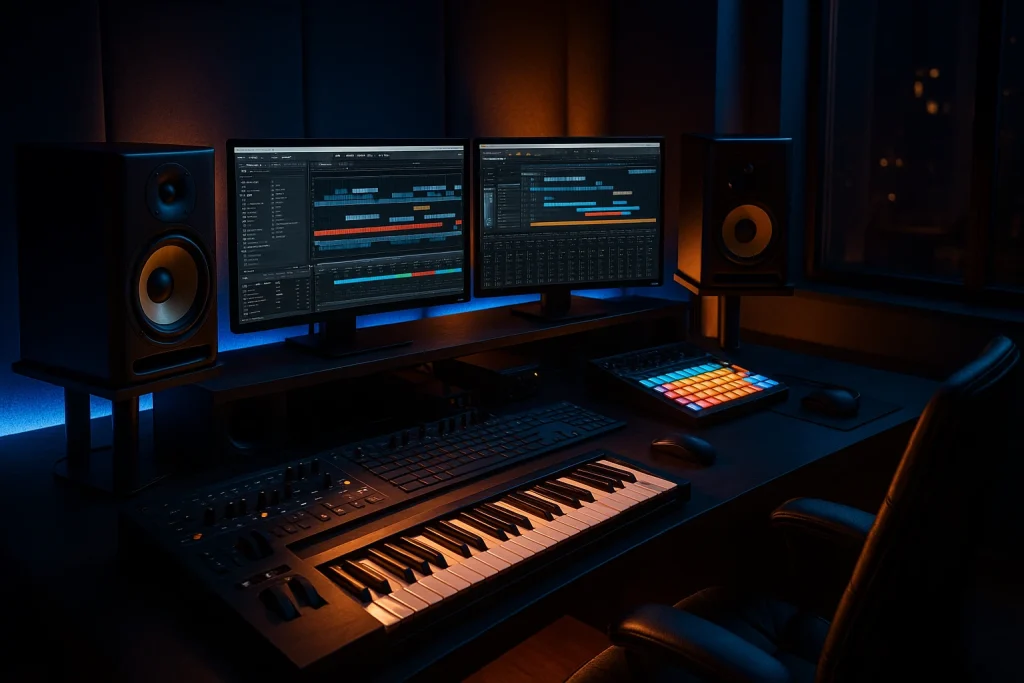
The Importance of Exclusive Music Rights
Exclusive music rights allow the buyer to have full control over a track. This means they can use the music without any legal restrictions, making it a valuable asset for artists and producers looking to establish their unique sound. According to a report by MusicRadar, exclusive rights enable artists to prevent others from using their music, thus maintaining their brand’s originality and integrity.
In the ever-evolving music landscape of 2026, exclusive rights are not just about ownership but about creating a competitive edge. For DJs, having tracks that no one else can play can be a significant drawcard for live performances. For producers, exclusive rights mean the ability to craft an album with a cohesive sound that is distinctly theirs.
Comparison with Non-Exclusive Rights
Non-exclusive rights allow multiple parties to use the same track, often resulting in saturation and reducing the track’s uniqueness. A study by Spotify for Artists highlighted that tracks with non-exclusive licenses tend to have shorter shelf lives due to their widespread availability.
| Aspect | Exclusive Rights | Non-Exclusive Rights |
|---|---|---|
| Ownership | Full control by one entity | Shared among multiple users |
| Usage | Unlimited, without restrictions | Limited, with competition |
| Market Value | High due to exclusivity | Lower due to saturation |
| Brand Impact | Strong brand identity | Weaker brand distinction |
Navigating the Legal Landscape
Acquiring exclusive rights involves navigating a complex legal landscape. Contracts must be meticulously drafted to ensure all parties’ rights and obligations are clear. In 2026, the legal frameworks around music rights have become increasingly sophisticated, with digital rights management playing a crucial role.
It’s essential for artists and producers to work with experienced music lawyers who understand the nuances of intellectual property law. This ensures that the rights purchased are enforceable and that the buyer can maximize their investment without legal disputes. The electronic dance music scene, in particular, has seen several high-profile legal battles over rights, underscoring the importance of solid legal foundations.
Artists can explore platforms like Beatport or Splice to understand market trends and pricing, helping them make informed decisions when purchasing exclusive tracks.
Financial Considerations
Purchasing exclusive rights can be a significant financial investment. According to DJ Mag, prices for exclusive tracks can range from a few hundred to several thousand dollars, depending on the track’s potential and the artist’s reputation. It’s crucial to consider the return on investment, particularly if the music will be used for commercial releases or synchronization opportunities.
For emerging artists, platforms like SoundCloud can be valuable for testing the market’s response to tracks before making significant investments in exclusive rights.
Exclusive Rights in Action: Notable Examples
Several high-profile case studies illustrate the power of exclusive music rights. For example, Calvin Harris reportedly paid a substantial sum for the exclusive rights to a track that became a summer anthem in 2023. This strategic move not only solidified his position in the EDM scene but also resulted in lucrative sync deals with major brands.
Similarly, in the hip-hop domain, producers like Metro Boomin have leveraged exclusive rights to craft chart-topping albums that resonate with audiences worldwide. This approach underscores the potential of exclusive rights to shape careers and influence music trends.
Actionable Tips for Buying Exclusive Rights
For those looking to buy exclusive rights, consider these expert tips:
- Research the Market: Understand current trends and pricing to ensure you’re paying a fair price.
- Consult Professionals: Work with lawyers and music consultants to navigate legal and financial complexities.
- Test Before You Buy: Use platforms like SoundCloud to gauge audience reactions to a track before committing financially.
- Consider Long-Term Impact: Think about how the track will fit into your overall brand and future projects.
Platforms like The Ghost Production offer a curated selection of exclusive tracks, providing artists with tailored options that align with their brand identity.
Myths vs. Realities of Exclusive Music Rights
There are several misconceptions about buying exclusive rights. One common myth is that exclusive rights guarantee commercial success. While they can enhance market positioning, success ultimately depends on strategic marketing and audience engagement.
Another misconception is that exclusive rights are only for established artists. In reality, emerging artists can benefit significantly by differentiating their sound and avoiding market saturation. The key is to balance investment with potential returns, a strategy discussed in our guide on how to release more music.
Frequently Asked Questions
What are exclusive music rights?
Exclusive music rights refer to the complete ownership and control over a track, allowing the owner to use, modify, and profit from it without any legal restrictions from other parties.
How do exclusive rights differ from non-exclusive rights?
Exclusive rights ensure that only one party can use the track, while non-exclusive rights allow multiple parties to use the same track, often leading to market saturation.
Are exclusive music rights a good investment for emerging artists?
Yes, exclusive rights can help emerging artists create a unique sound and stand out in the market, provided they balance the investment with potential returns and strategic use.
How can I ensure that the exclusive rights I purchase are legally enforceable?
Work with experienced music lawyers to draft and review contracts, ensuring all legal aspects are covered and rights are clearly defined and enforceable.
Where can I buy exclusive music rights?
Exclusive rights can be purchased through various platforms and agencies, including The Ghost Production, which offers a range of tracks tailored to artists’ needs.
Last updated:
Ready to Scale Your Music Output?
Release more music, hit more deadlines, and build a stronger catalog — with professional ghost production that sounds exactly like you.