
Ghost Producer | Professional Ghost Production
Ghost Producer | Professional Ghost Production
Ghost production is a pivotal yet often misunderstood facet of the music industry. It involves the creation of music by producers who remain uncredited, allowing DJs and artists to release tracks under their own names. The role of a ghost producer has grown in significance, especially within the electronic dance music (EDM) scene, where the demand for fresh, high-quality tracks is relentless.
Historically, ghost production traces its roots back to as early as the era of Mozart, when composers would occasionally take credit for works they didn’t compose entirely. Fast forward to the 21st century, and the practice has evolved into a sophisticated business model within modern music genres like EDM, house, and techno.
In 2026, ghost production continues to thrive as a silent force behind some of the most successful tracks. Industry surveys estimate that a staggering 60–80% of charting EDM tracks involve some form of ghost production. This statistic underscores the crucial role these anonymous creators play in shaping the soundscape of contemporary music.
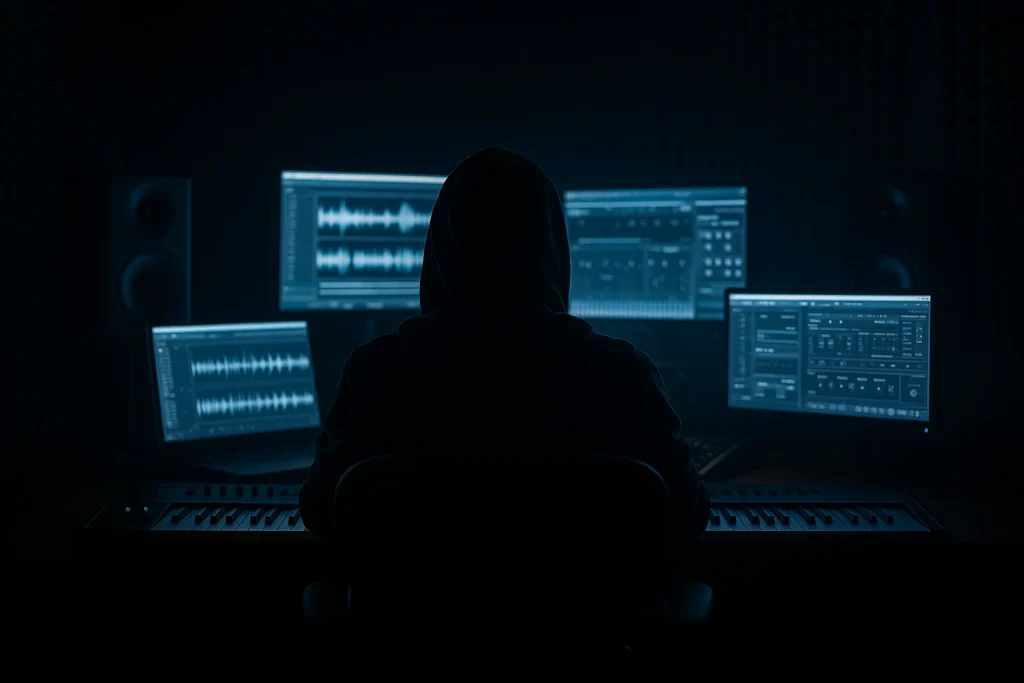
The History of Ghost Production
The concept of ghost production is not new. Even in the classical music era, it was not uncommon for well-known composers to have assistants contribute to their works without official credit. Moving into the 20th century, the practice became more structured with the rise of popular music and the recording industry. The advent of the digital age has only amplified its prevalence.
In recent decades, ghost producers have found a particular niche within the EDM scene. The genre’s rapid evolution demands a constant influx of fresh tracks, and many leading DJs and producers outsource this creative process. This has led to a burgeoning industry of ghost producers who provide high-quality, radio-ready music to their clients.
Famous DJs and Artists Using Ghost Producers
Several famous DJs and artists have been confirmed or strongly rumored to use ghost producers. Kygo, known for his tropical house tracks, has been open about collaborating with others on his music. Martin Garrix, during his early career, was rumored to have used ghost producers to help craft his hits. Avicii, despite his immense talent, often engaged in collaborative processes where multiple producers contributed to his tracks.
Calvin Harris, another giant in the EDM world, is known to work with a team of producers and songwriters, underscoring the collaborative nature of the music industry. These practices highlight the blurred lines between solo artistry and collaborative creation in modern music production.
Financial Aspects: Earnings of Ghost Producers
Ghost production can be a lucrative venture for skilled producers. Earnings can range significantly depending on the producer’s reputation and the complexity of the track. On average, a top ghost producer can earn anywhere from $500 to over $15,000 per track. This wide range reflects the diversity in project types, client demands, and producer expertise.
For aspiring producers, entering the ghost production market can provide a steady income stream while honing their craft. Platforms like Splice and SoundCloud offer opportunities to showcase skills and connect with potential clients, marking a pathway for producers to establish themselves in the industry.
| Producer Level | Typical Earnings per Track | Clientele |
|---|---|---|
| Entry-Level | $500 – $2,000 | Independent Artists, Emerging DJs |
| Mid-Level | $2,000 – $10,000 | Established DJs, Record Labels |
| Top-Level | $10,000 – $15,000+ | Top-Tier Artists, Major Labels |
The Ethical Debate Surrounding Ghost Production
Ghost production raises ethical questions within the music industry. Critics argue it undermines the authenticity of artists who present the music as their own. Conversely, supporters highlight that many artists are transparent about their collaborative processes. Moreover, ghost producers are often acknowledged through informal credits or financially compensated arrangements, balancing the scales.
For DJs and producers contemplating the use of a ghost producer, the decision often hinges on their personal brand and audience expectations. Transparency can play a crucial role in maintaining integrity while leveraging the creative benefits of ghost-produced tracks.
How Labels Handle Ghost Production
Record labels play a pivotal role in managing ghost production. Many labels prefer ghost-produced tracks for their roster of artists, recognizing the efficiency and quality they bring. These labels often act as intermediaries, connecting artists with ghost producers and ensuring the final product aligns with the label’s vision and market strategy.
Labels meticulously monitor the rights and credits associated with ghost-produced tracks, safeguarding all parties involved. This structured approach allows labels to maintain a steady output of high-caliber music while fostering creative collaborations.

What Separates an Average Ghost Producer from a World-Class One
The distinction between an average and a world-class ghost producer lies in several factors: creativity, technical skill, industry knowledge, and client relationship management. Top-tier ghost producers possess a profound understanding of current music trends and the technical prowess to translate these trends into compelling tracks.
Moreover, exceptional ghost producers are adept at communicating with clients, understanding their artistic vision, and delivering results that exceed expectations. This skill set not only enhances the producer’s reputation but also drives repeat business and referrals.
For those interested in exploring the world of ghost production, resources like The Ghost Production offer invaluable insights and services to navigate the industry effectively.
Frequently Asked Questions
What is a ghost producer?
A ghost producer is a professional who creates music for another artist or DJ, who then releases it under their own name. In exchange, the ghost producer typically receives financial compensation but no public credit.
Is using a ghost producer considered unethical?
Using a ghost producer can be controversial, but it is a common practice in the industry. Ethical considerations depend on transparency and agreements between the artist and producer. Many artists disclose their use of collaborators, which can mitigate ethical concerns.
How can I find a reputable ghost producer?
Finding a reputable ghost producer involves researching platforms like The Ghost Production, networking within industry circles, and assessing previous work portfolios and client reviews.
What are the benefits of hiring a ghost producer?
Hiring a ghost producer allows artists to expand their catalog quickly, maintain a consistent release schedule, and enhance musical diversity without the need for extensive production knowledge.
Can ghost producers earn royalties from their work?
Typically, ghost producers do not earn royalties unless explicitly agreed upon in their contract. Payment is usually a one-time fee, but arrangements can vary based on negotiations and producer-client relationships.
Last updated:
Ready to Scale Your Music Output?
Release more music, hit more deadlines, and build a stronger catalog — with professional ghost production that sounds exactly like you.