
What Is Ghost Producing? – Explained
What Is Ghost Producing? – Explained
As electronic music continues to dominate global charts and festival stages, the concept of “ghost producing” has become an increasingly prevalent topic of discussion among DJs and producers. But what is ghost producing, and why does it generate such a mix of intrigue and controversy? In this comprehensive guide, we will delve into the intricacies of ghost producing, exploring its role within the music industry, examining real-world statistics and examples, and offering practical advice for those considering this path.
Ghost producing refers to the practice where a music producer creates a track, but another artist releases it under their own name, often without crediting the original creator. This arrangement is common in the electronic dance music (EDM) scene, where high-profile DJs may not have the time or the production skills to craft tracks that meet their brand’s demands. While the concept might seem controversial, it is a legitimate and lucrative niche within the music industry, offering opportunities for producers who prefer to stay behind the scenes.
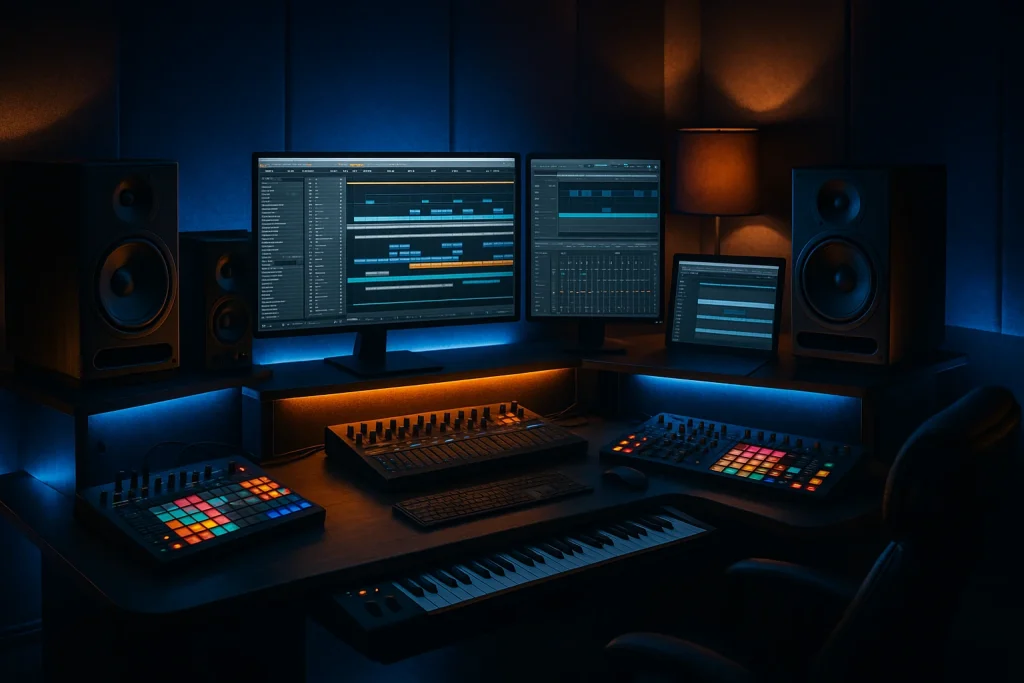
The roots of ghost producing can be traced back to the early 2000s when the EDM boom led to an unprecedented demand for new music. Notable figures like David Guetta and Tiesto were among the first to popularize collaborations with lesser-known producers to keep up with the relentless pace of releases. Today, it’s estimated that 20-30% of Beatport’s top 100 tracks involve ghost producers—an indication of how widespread the practice has become.
The Mechanics of Ghost Producing
Ghost producing usually involves a contractual agreement between the producer and the artist purchasing the track. The producer composes and polishes the track to a high standard, after which the buyer releases it as their own. In return, the ghost producer receives a fee, which can range from a few hundred to several thousand dollars depending on the producer’s reputation and the potential success of the track.
Despite the lack of public recognition, ghost producers often enjoy a stable income and the freedom to work on various projects without the pressures of touring and public performance. For aspiring producers, ghost production can be an excellent way to hone technical skills and build a portfolio that might eventually lead to a more prominent position in the industry.
Notable Examples and Industry Insights
While the terms of ghost producing agreements typically include non-disclosure clauses, some high-profile cases have come to light. Maarten Vorwerk, for instance, is a well-known ghost producer who has worked with big-name DJs, helping craft hits that dominate international charts. His work highlights the critical role ghost producers play in the success of many tracks.
The industry’s openness to ghost producing is further evident in platforms like Beatport and SoundCloud, where tracks frequently top the charts without disclosing the full list of contributors. According to a 2025 survey by DJ Mag, approximately 40% of professional DJs have considered or engaged in ghost production services to maintain their release schedule.
Benefits and Challenges of Ghost Producing
The advantages of ghost producing are manifold. Producers gain financial compensation, professional growth, and the opportunity to focus solely on music creation. Without the need to cultivate a public persona, they can concentrate on refining their craft and experimenting with different styles and genres.
However, challenges remain. Ghost producers often face the risk of exploitation, with some agreements offering little financial reward or recognition. To mitigate these risks, it is crucial for producers to negotiate contracts carefully and ensure they receive fair compensation for their work. Moreover, establishing a network within the industry can help ghost producers find reputable clients and collaborators.
Comparative Data: Ghost Producing vs. Traditional Production
| Aspect | Ghost Producing | Traditional Production |
|---|---|---|
| Visibility | Low – Behind the scenes | High – Public recognition |
| Income Stability | Stable – Project-based income | Variable – Dependent on personal brand |
| Creative Freedom | High – Experimentation allowed | Moderate – Brand alignment required |
| Industry Networking | Moderate – Limited by NDA | High – Public relations necessary |
Actionable Tips for Aspiring Ghost Producers
If you’re considering stepping into the world of ghost production, here are some tips to help you navigate this industry:
- Build a Strong Portfolio: Showcase your best work on platforms like Splice and Resident Advisor to attract potential clients.
- Negotiate Fair Contracts: Ensure your contracts are clear and comprehensive, covering payment terms, creative rights, and confidentiality clauses.
- Network Strategically: Connect with other producers and industry professionals to expand your opportunities and find reliable clients.
- Leverage Online Communities: Engage with forums and social media groups focused on ghost production and electronic music to learn from peers and share opportunities.
Common Myths and Realities
Several myths surround ghost producing, often painting an inaccurate picture of the practice. Let’s address some of these misconceptions:
- Myth: Ghost producers are exploited and underpaid.
- Reality: While some producers may face unfavorable agreements, many earn substantial income and choose this path for its creative freedom and stability.
- Myth: Ghost producing undermines artistic integrity.
- Reality: Ghost production is a collaborative process that enables artists to deliver high-quality music without compromising their brand.
- Myth: Only unknown producers work as ghosts.
- Reality: Even established producers engage in ghost producing for diverse artistic and financial reasons.
How to Transition into Ghost Producing
Transitioning into ghost producing can be a strategic career move for those looking to maximize their output without the pressures of public performance. For more detailed guidance, check out resources like Ghost Producer for Music Producers and Outsource Music Production. Additionally, The Ghost Production offers comprehensive services and insights for those interested in buying or selling ghost-produced tracks. You can explore their offerings for hiring a ghost producer or purchasing exclusive tracks on their platform.
For those ready to dive into this lucrative niche, The Ghost Production provides a reliable starting point with their detailed guides on Music Production Services and Exclusive Ghost-Produced Tracks. Understanding How Ghost Production Works is crucial for making informed decisions.
Frequently Asked Questions
What is the main benefit of ghost producing?
The primary benefit of ghost producing is the ability to earn a stable income while honing production skills without the pressures of public performance or branding.
Is ghost producing legal?
Yes, ghost producing is legal as long as the agreements between the producer and the client are clear and respected. It is a common and accepted practice in the music industry.
How do I become a ghost producer?
To become a ghost producer, build a strong portfolio, network within the industry, and use platforms like The Ghost Production to connect with potential clients.
Who are some famous ghost producers?
Maarten Vorwerk is one of the most renowned ghost producers, having worked with top-tier DJs and contributed to numerous chart-topping tracks.
Can ghost producers eventually release music under their own name?
Absolutely. Many ghost producers eventually transition to releasing music under their own name, using the experience and network gained to advance their careers.
Last updated:
Ready to Scale Your Music Output?
Release more music, hit more deadlines, and build a stronger catalog — with professional ghost production that sounds exactly like you.