
Outsource Track Production – Get Tracks Made
Outsource Track Production – Get Tracks Made
In the fast-paced world of music production, outsourcing track production has become an indispensable strategy for many artists, producers, and DJs. This approach allows creators to scale their output without sacrificing quality or burning out. By leveraging professional ghost producers, you can focus on what you do best while ensuring your catalog remains fresh and competitive. This comprehensive guide will delve into the nuances of outsourcing track production, explore the benefits and pitfalls, and provide expert insights into making this method work for you.
Over the last decade, the demand for ghost-produced tracks has skyrocketed. According to DJ Mag, the global market for ghost production was valued at over $500 million in 2025. This trend isn’t just about convenience; it’s about strategic growth and maintaining a competitive edge in an industry where the shelf life of a track can be measured in weeks.
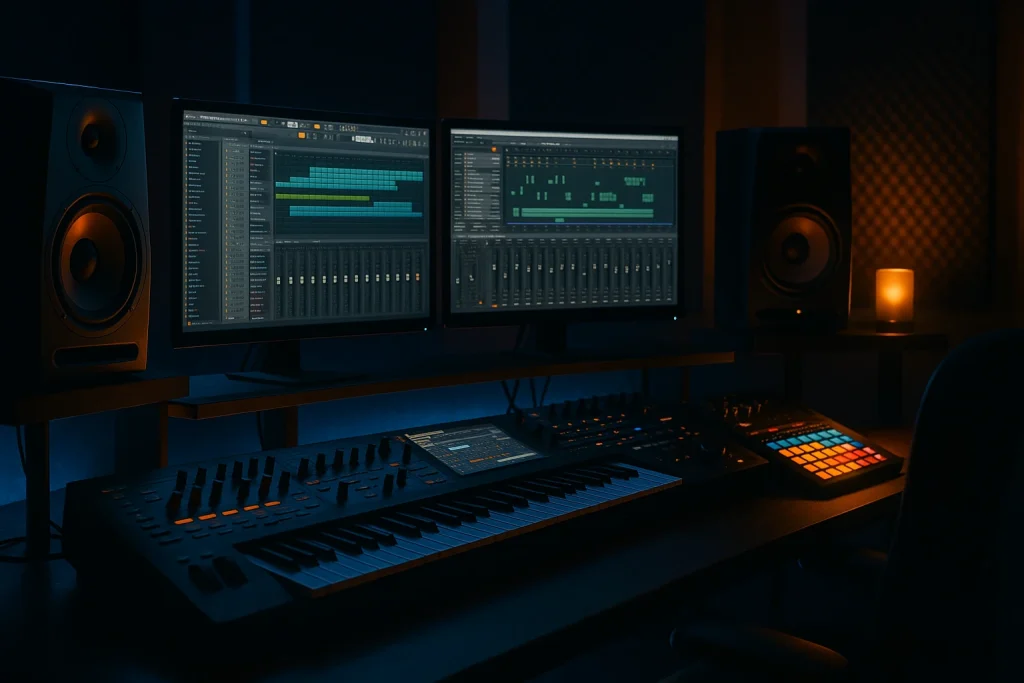
The process of outsourcing production is not new. Big-name artists have been doing it for years. For instance, David Guetta and Calvin Harris are known to collaborate with other producers to refine their sound and expand their musical offerings. As the industry evolves, so do the tools and platforms that support this process, making it more accessible than ever for emerging artists and seasoned veterans alike.
The Benefits of Outsourcing Track Production
Outsourcing track production offers numerous advantages, from increasing your creative output to diversifying your sound. One of the primary benefits is time efficiency. By delegating production tasks, you can focus on other important aspects of your career, such as marketing, performances, and networking.
Additionally, working with professional producers can enhance the quality of your music. These experts bring a wealth of experience and a fresh perspective, ensuring your tracks stand out in a saturated market. The Ghost Production offers an array of services that cater to different needs, whether you’re looking to hire a ghost producer or buy exclusive ghost-produced tracks.
Another advantage is confidentiality. Many platforms ensure total anonymity, allowing you to maintain your artistic identity while benefiting from external expertise. This assurance is crucial for artists who wish to keep their outsourcing practices discreet.
Common Misconceptions About Ghost Production
Despite its benefits, ghost production is often shrouded in misconceptions. One prevalent myth is that outsourcing diminishes an artist’s authenticity. However, collaboration has been a cornerstone of artistic development for centuries. As noted by Resident Advisor, many successful albums are the result of collaborative efforts, with ghost producers playing an essential role in shaping the final product.
Another misconception is the belief that ghost production is only for top-tier artists. In reality, it is a valuable resource for creators at all levels. Platforms such as Beatport have highlighted how emerging artists use ghost production to establish a footprint in the industry, leveraging professional expertise to craft polished, industry-ready tracks.
How to Choose the Right Ghost Producer
Selecting the right ghost producer is a critical step in outsourcing track production. You need someone who understands your vision and can translate it into a compelling track. Start by reviewing portfolios and past work to gauge their style and expertise.
Communication is key. Ensure that the producer is open to feedback and willing to revise the track according to your preferences. Services like Splice offer collaborative tools that facilitate seamless communication between artists and producers.
It’s also important to establish clear agreements regarding rights and royalties. You want to ensure that you retain full ownership of the track, particularly if you’re buying exclusive rights. The Ghost Production provides detailed guidance on managing these aspects effectively.
Technical Considerations in Outsourcing Production
When outsourcing track production, technical considerations can make or break the collaboration. Understanding the technical landscape ensures that both you and the ghost producer are on the same page.
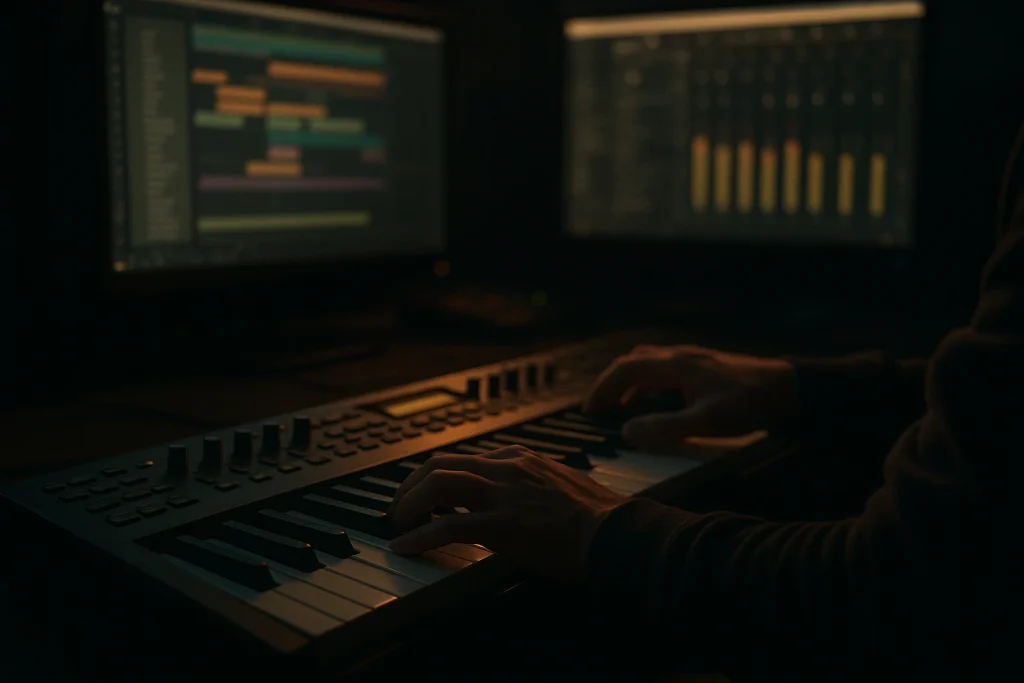
Firstly, decide on the Digital Audio Workstation (DAW) that will be used. While many producers are flexible, choosing a DAW that aligns with your workflow can streamline the process. For insights into DAW selection, refer to our guide on Ableton vs FL Studio.
Additionally, discuss the format of the deliverables. Receiving project files and stems in your preferred format ensures you can make future edits or remixes. Check out our page on stems for sale to understand the benefits of having access to these resources.
Scaling Your Music Catalog with Outsourcing
Scaling your catalog through outsourcing is not just about quantity but also about diversifying your sound and reaching new audiences. By collaborating with different producers, you can explore various genres and styles, thereby broadening your appeal.
This approach is particularly beneficial for artists aiming to get signed by a record label. A diverse catalog can demonstrate versatility and attract the attention of A&R representatives. Our guide on how to get signed as a producer offers strategies to leverage your outsourced tracks effectively.
Moreover, outsourcing allows you to maintain a consistent release schedule, crucial for building and retaining a fanbase. Explore our insights on how to release more music to keep your audience engaged year-round.
Legal and Ethical Considerations
The legal and ethical dimensions of outsourcing track production are paramount. You must ensure that all agreements are legally binding and protect your rights as an artist. Discuss the scope of work, payment terms, and intellectual property rights upfront to avoid future disputes.
From an ethical standpoint, transparency with your audience is essential. While maintaining confidentiality is important, being honest about your collaborative efforts, when appropriate, can enhance your image and credibility. For instance, Armin van Buuren has openly credited his co-producers, fostering trust with his fanbase.
Frequently Asked Questions
Is outsourcing track production common in the music industry?
Yes, outsourcing is a prevalent practice, especially among electronic music producers. Many artists use it to expand their catalog and explore new sounds without overextending themselves.
How do I ensure the quality of outsourced tracks?
To ensure quality, carefully vet potential producers by reviewing their portfolios and past work. Communicate your vision clearly and provide feedback throughout the production process.
Will outsourcing affect my credibility as an artist?
Not necessarily. Many successful artists use ghost production as a tool to enhance their music. Being transparent about your collaborations can actually strengthen your reputation.
How do I handle royalties and rights with ghost-produced tracks?
Negotiate all rights and royalties before production begins. Ensure you have a clear contract outlining your ownership and the producer’s compensation. This can often be facilitated through platforms like The Ghost Production.
Can I use outsourced tracks to get signed by a record label?
Absolutely. A well-produced track, regardless of how it was created, can capture the attention of A&R representatives and help you secure a record deal.
Last updated:
Ready to Scale Your Music Output?
Release more music, hit more deadlines, and build a stronger catalog — with professional ghost production that sounds exactly like you.