
Music Production Career – Make a Living
Music Production Career – Make a Living
Making a living in the music production career is both an art and a science. Whether you’re an aspiring producer or a seasoned DJ, understanding how to leverage your skills and navigate the industry dynamics is crucial. As of 2026, the global music industry is booming, with recorded music revenues hitting $26 billion in 2025, representing a 7% increase from the previous year. This growth provides a fertile ground for producers to tap into various income streams and build a sustainable career.
Notable artists like Calvin Harris and Deadmau5 have set benchmarks in music production, showcasing how a combination of talent, strategic collaborations, and business acumen can lead to financial success. However, the path to a successful music production career involves more than just producing great tracks; it requires understanding market trends, diversifying income, and sometimes, ghost production. Let’s delve into these aspects and more.
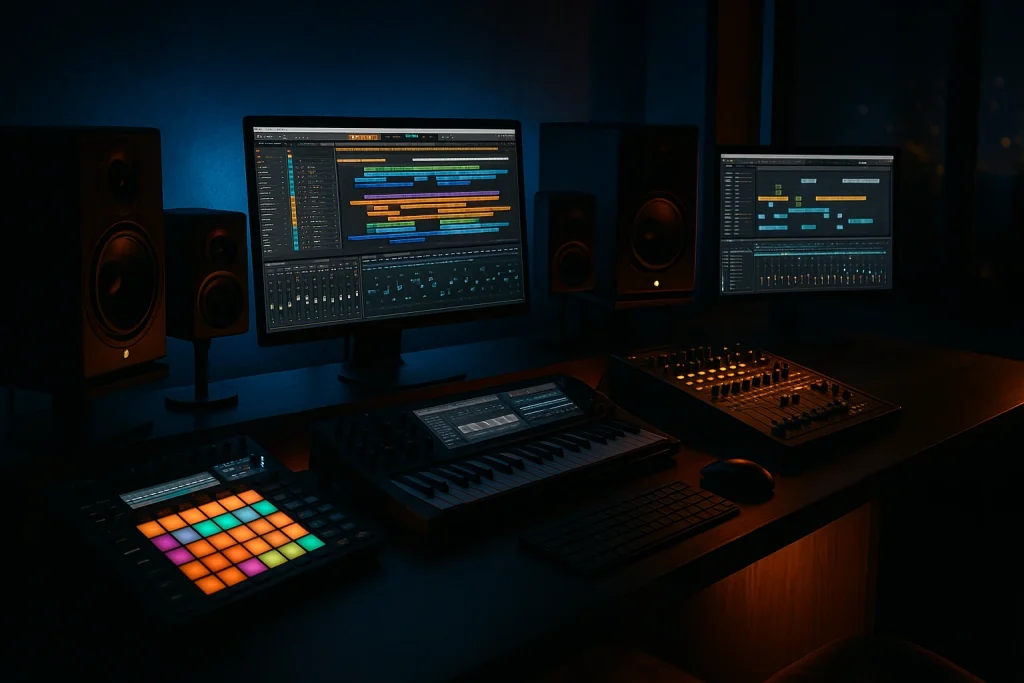
Understanding the Music Production Landscape
The music production landscape has evolved significantly over the past decade. With the rise of digital distribution platforms like Beatport and Spotify for Artists, producers can now reach global audiences without the need for traditional record deals. However, the competition is fierce, with millions of tracks being uploaded every day.
Producers must keep up with the latest trends and technologies. As highlighted by MusicRadar, the use of AI in music production is one such trend that has been gaining traction. AI tools can assist in creating complex arrangements and even mastering tracks, allowing producers to focus on creativity.
Income Streams for Music Producers
To make a living from music production, diversifying your income streams is crucial. Traditional revenue models like album sales and live performances are being supplemented by newer avenues. Here’s a breakdown of potential income streams:
| Income Stream | Description | Potential Earnings |
|---|---|---|
| Streaming Royalties | Income from platforms like Spotify and Apple Music | $0.003 – $0.005 per stream |
| Sync Licensing | Music used in TV, films, and commercials | $500 – $100,000 per use |
| Sample Packs | Creating and selling sample packs on Splice | $20 – $100 per pack |
| Ghost Production | Producing tracks anonymously for other artists | $500 – $5,000 per track |
Ghost production, in particular, has become a lucrative option for many producers. As outlined in How Ghost Production Works, producers can create tracks that are sold to other artists, allowing them to earn without the need for personal branding.
Scaling with Ghost Production
Ghost production is not just about anonymity; it’s a strategic approach to scaling your output. Many successful producers use ghost production to maintain a steady income while experimenting with their signature sound. By collaborating with ghost producers, you can focus on developing your unique style and brand without the pressure of constant releases.
Platforms like The Ghost Production offer services that connect producers with labels and artists looking for specific sounds. This can be a great way to establish a steady workflow and expand your network within the industry. For more information on outsourcing and collaboration opportunities, check out Outsource Music Production – Scale Without Burnout.
Common Myths and Realities
The music production industry is riddled with myths that can mislead newcomers. Let’s debunk some of the most common ones:
Myth 1: You Need Expensive Equipment
While high-end gear can enhance your production quality, it’s not a requirement to start. Many successful producers began with modest setups. For budget-friendly options, explore our guide on Best Studio Monitors on a Budget.
Myth 2: Streaming Doesn’t Pay
Streaming can be a sustainable income source if you build a dedicated fanbase. Engaging with platforms like Apple Music for Artists can maximize your earnings through playlist placements and algorithmic recommendations.
Myth 3: Ghost Production is Unethical
Ghost production is a legitimate business model. It allows producers to earn from their skills while helping artists meet their release schedules. Learn more about the ethical considerations in our article on Ghost Production for Record Labels – A&R & Catalog.
Actionable Tips for Aspiring Producers
For those starting or looking to boost their music production career, consider the following tips:
- Network Actively: Attend industry events and connect with other producers and DJs. Collaborations can open new doors. Read more in our guide on How to Collab With Other Producers.
- Invest in Education: Regularly update your skills through online courses and tutorials. Platforms like Mixmag offer insights into the latest production techniques.
- Leverage Social Media: Build your brand and engage with fans. For strategies, check out DJ Social Media Tips – Grow Followers.
- Submit Your Demos: Don’t hesitate to send your work to labels. For submission tips, visit Demo Submission for Labels – Accept Demos.
Conclusion: Building a Sustainable Music Production Career
A successful music production career is multifaceted, involving creativity, business savvy, and strategic networking. By diversifying your income streams and embracing opportunities like ghost production, you can build a sustainable career. For those interested in learning more about services that can help scale your music production, consider exploring The Ghost Production’s offerings, including Music Production Services and Buy Exclusive Ghost-Produced Tracks.
Frequently Asked Questions
What qualifications do I need for a music production career?
No formal qualifications are required, but knowledge of DAWs like Ableton or FL Studio, and understanding music theory, can be beneficial. Consider practical courses to hone your skills.
How can I start earning as a music producer?
Begin by selling beats online, offering production services, and collaborating with other artists. Consistently releasing music and building a fanbase is also crucial.
Is ghost production a good way to make money?
Yes, ghost production is an excellent way to earn a steady income. It allows you to use your skills while working with artists and labels who need specific sounds.
How important is networking in the music industry?
Networking is vital. Establishing relationships with other producers, artists, and industry professionals can lead to new opportunities and collaborations.
Can I succeed in music production without live performances?
Absolutely. Many producers focus solely on creating and releasing music without performing live. The key is to maintain a strong online presence and engage with your audience.
Last updated:
Ready to Scale Your Music Output?
Release more music, hit more deadlines, and build a stronger catalog — with professional ghost production that sounds exactly like you.