
Mixing vs Mastering – What Is the Difference?
Mixing vs Mastering – What Is the Difference?
In the ever-evolving world of music production, “mixing vs mastering” is a debate that continues to intrigue and sometimes confuse both aspiring and veteran producers alike. While both processes are crucial in creating a polished and professional track, they serve distinct purposes in the music production chain. This article aims to demystify the differences between mixing and mastering, exploring their roles, tools, and impact on your final product.
Mixing involves blending individual tracks together to create a cohesive whole. It includes adjusting levels, panning instruments within the stereo field, applying EQ and effects, and balancing frequencies to ensure clarity. On the other hand, mastering is the final step in audio post-production. Its primary goal is to optimize playback across all systems and media formats.
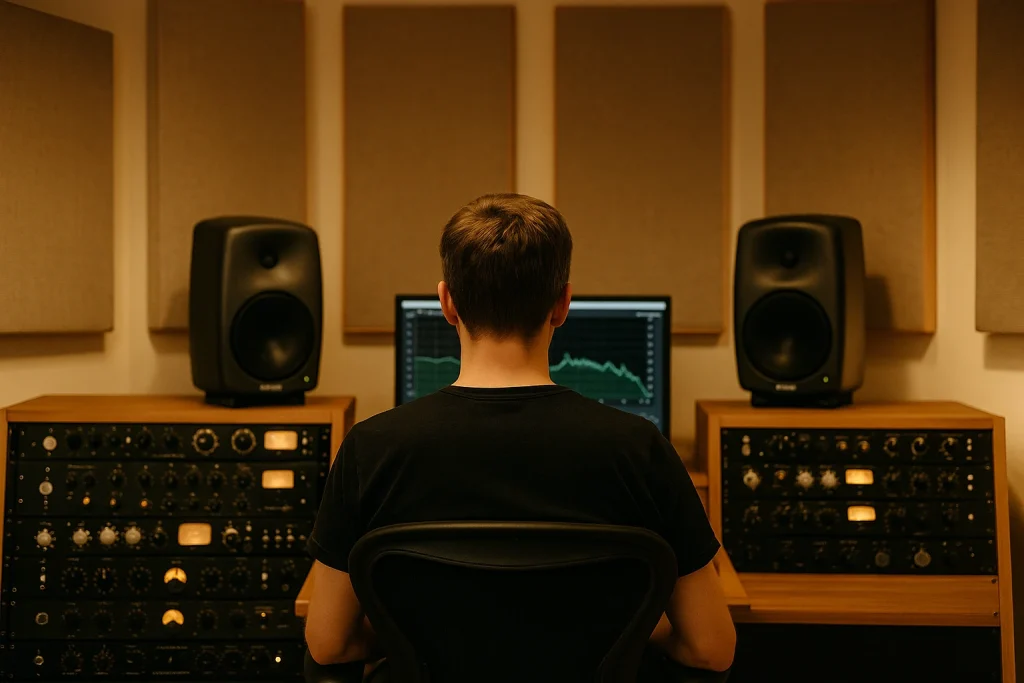
Mastering focuses on enhancing the overall sound of a track. It involves adjusting the loudness, tonal balance, and stereo width, as well as preparing the final format for distribution. Mastering engineers like Bernie Grundman and Bob Ludwig have set high standards in the industry, crafting tracks that are both powerful and pristine.
The Essentials of Mastering
Mastering is not just about making a track louder; it’s about achieving the perfect balance. This process involves several key aspects that ensure your music sounds its best, regardless of where or how it is played.
Loudness and LUFS Standards
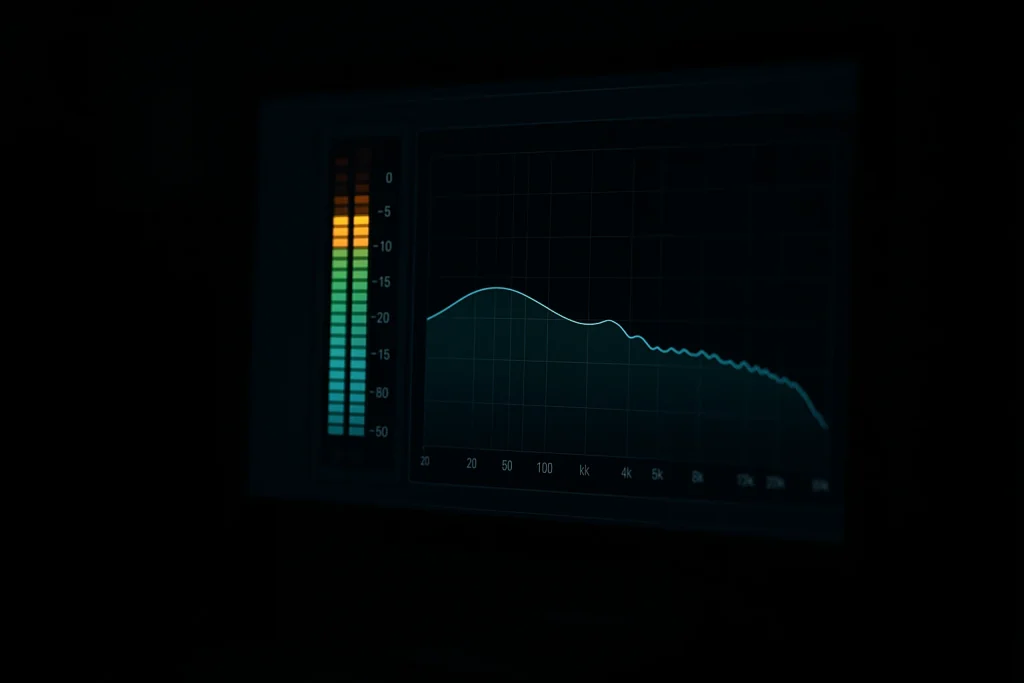
One of the primary objectives of mastering is achieving the appropriate loudness level. The industry standard for measuring loudness is LUFS (Loudness Units relative to Full Scale). Different streaming platforms have specific LUFS targets to maintain consistency across tracks:
| Platform | LUFS Target |
|---|---|
| Spotify | -14 LUFS |
| Apple Music | -16 LUFS |
| YouTube | -13 LUFS |
| TIDAL | -14 LUFS |
Adhering to these standards is essential for maintaining the intended dynamic range and ensuring a consistent listening experience across platforms.
Tools of the Trade
Mastering engineers use a variety of sophisticated tools to achieve the desired sound. Popular software includes iZotope’s Ozone, known for its comprehensive suite of mastering tools, Sonnox, and the Weiss MM-1, a favorite for its precision in dynamic range control. Each tool offers unique features that help shape the final sound.
Comparing Online and Human Mastering Services
With the advancement of technology, online mastering services such as LANDR and CloudBounce offer affordable and fast alternatives to traditional mastering. These platforms utilize algorithms to automatically master tracks, providing an accessible solution for emerging artists.
AI vs. Human Mastering
AI mastering services have come a long way, providing quick and cost-effective options. However, they often lack the nuanced touch of a human engineer, who can make creative decisions that algorithms cannot replicate. Renowned mastering engineers like Bernie Grundman and Bob Ludwig bring decades of experience and an artistic ear that is invaluable in achieving the highest quality master.
When to Choose Human Mastering
For tracks that require a more tailored approach, human mastering is often preferred. Engineers can provide feedback and make subtle adjustments that track-specific algorithms may overlook. Human mastering is particularly beneficial for projects where the emotional impact and artistic vision are paramount.
Understanding the Mixing Process
Before a track reaches the mastering stage, it must be properly mixed. Mixing involves balancing the levels of different tracks, adding effects, and creating a dynamic stereo image. This foundational step ensures that each element of the track is heard clearly and contributes to the overall sound.
Key Elements of Mixing
Mixing requires attention to detail and an understanding of how different frequencies interact. EQ (equalization) is used to carve out space for each instrument, while compression can control dynamics and add punch. Reverb and delay add depth and space, creating an immersive listening experience. For more on the basics, check out our Music Production Basics guide.
Tools for Mixing
Producers often rely on Digital Audio Workstations (DAWs) like Ableton Live and FL Studio to mix their tracks. Each DAW offers unique features and plugins that assist in crafting the perfect mix. If you’re deciding between DAWs, our Ableton vs FL Studio comparison might be helpful.
The Role of Mastering in the Music Industry
Mastering serves a crucial role in preparing music for commercial release. It not only enhances the audio quality but also ensures that the track meets industry standards for streaming and broadcasting. The final mastered version is what listeners will experience on platforms like Spotify and SoundCloud.
Mastering for Different Formats
Mastering engineers must consider the final format of the track, whether it’s for vinyl, CD, or digital distribution. Each medium has specific sonic requirements, and mastering tailors the audio to optimize playback for that format.
Mastering’s Impact on Distribution
The quality of mastering can significantly affect how a track is perceived in the market. A well-mastered track will stand out, increasing its chances of being included in playlists and receiving radio play. For those looking to maximize their music’s reach, our guide on How to Release More Music offers strategies to scale your output effectively.
Choosing the Right Path: Mixing and Mastering
Understanding the differences between mixing and mastering is vital for any producer aiming to create professional-sounding music. While both processes require technical skill and artistic insight, they serve complementary roles in the production chain. Whether you decide to self-master your tracks or hire a professional, resources like Ghost Production for Record Labels can help you achieve the best results.
For those interested in having their tracks professionally mixed and mastered, The Ghost Production offers comprehensive music production services. Our team of experienced engineers ensures that your music is ready for the competitive music market.
Frequently Asked Questions
What is the main difference between mixing and mastering?
Mixing involves blending individual audio tracks into a single stereo file, adjusting levels, and adding effects to create a balanced sound. Mastering is the final stage of audio production that enhances the overall sound, adjusting loudness, tonal balance, and preparing the format for distribution.
Why is mastering important for streaming platforms?
Mastering ensures that a track meets the loudness and quality standards required by streaming platforms. This process helps maintain a consistent listening experience across different tracks and playlists.
Can I master my own tracks or should I hire a professional?
While it’s possible to master your own tracks using software like iZotope’s Ozone, hiring a professional mastering engineer can provide a level of expertise and aural insight that is difficult to achieve on your own. Professionals can make nuanced adjustments that enhance the emotional impact of your music.
What are some recommended tools for mastering?
Popular tools for mastering include iZotope’s Ozone, Sonnox, and the Weiss MM-1. Each offers features that cater to different aspects of mastering, from dynamic range control to stereo imaging.
How does AI mastering compare to human mastering?
AI mastering services provide a quick and affordable solution for basic mastering needs. However, human mastering offers a personalized approach, with experienced engineers making creative decisions to enhance the track’s unique qualities.
Last updated:
Ready to Scale Your Music Output?
Release more music, hit more deadlines, and build a stronger catalog — with professional ghost production that sounds exactly like you.