
Mixing Vocals in EDM – Complete Guide
Mixing Vocals in EDM – Complete Guide
Mixing vocals in EDM can be a daunting task for many producers, as the genre’s dynamic range and intricate sound design require a nuanced approach. Achieving clarity, presence, and balance in vocal mixing is crucial to ensure that the vocals cut through the dense layers of synthesizers, basslines, and percussion. In this comprehensive guide, we will explore the techniques and considerations that top engineers use to achieve professional-quality vocal mixes in EDM.
From understanding the gain staging chain to the art of using EQ for both corrective and creative purposes, this guide will provide you with insights into parallel compression, bus processing, and how to mix vocals effectively for streaming platforms. We will also address common pitfalls that can make your mixes sound amateurish and offer practical solutions to avoid these issues. Let’s dive into the world of vocal mixing in EDM.
Understanding the Gain Staging Chain
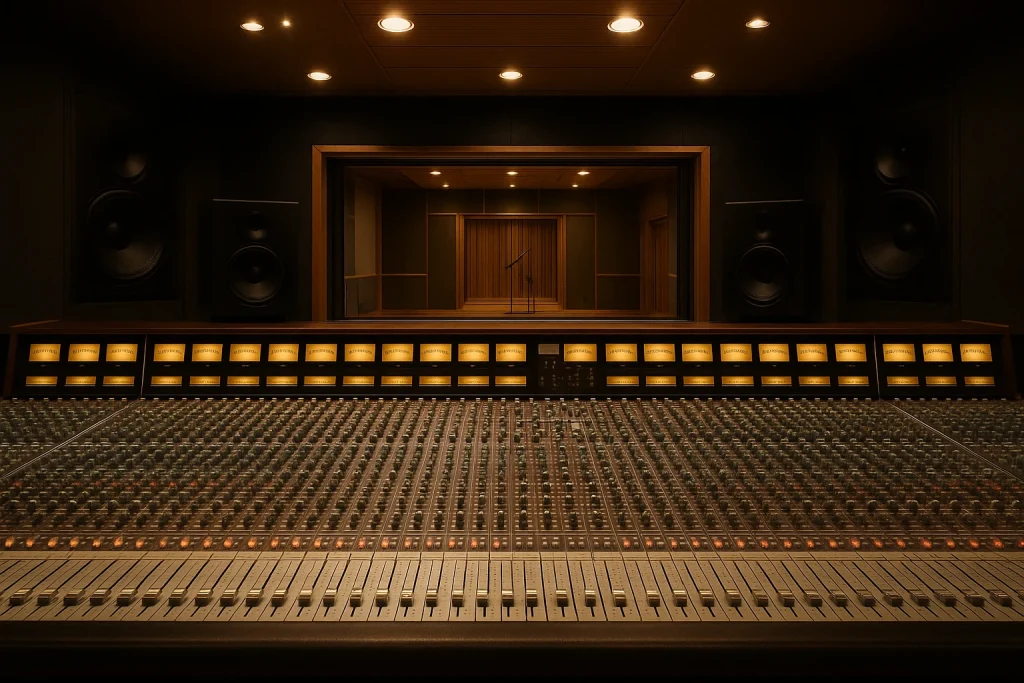
Gain staging is a fundamental concept that ensures each element in your mix is at an optimal level, preventing distortion and maintaining clarity. In EDM, where the mix is often dense and dynamic, having a solid gain staging workflow is crucial. Start by setting the input levels of your vocal tracks to avoid clipping. This is the first step in ensuring that your vocals maintain their integrity throughout the mixing process.
Consider using a digital audio workstation (DAW) that supports precise gain staging controls. For a more in-depth understanding, check out our detailed Gain Staging Guide. This guide provides a step-by-step process to troubleshoot and enhance your gain staging practices.
The Art of EQ: Corrective vs. Creative
EQ is one of the most powerful tools in a producer’s arsenal, capable of transforming a muddy vocal take into a polished and clear lead element. There are two primary roles for EQ in vocal mixing: corrective and creative. Corrective EQ is used to remove unwanted frequencies, such as room resonances, pops, or hisses. This is your first line of defense in ensuring vocals are clean and free from distractions.
Creative EQ, on the other hand, is about shaping the sound to fit the mix. Boosting certain frequencies can add presence or warmth, helping the vocals stand out. For example, a slight boost around 3-5 kHz can enhance clarity and intelligibility. Understanding the difference between these applications is crucial for crafting a mix that sounds both professional and artistic.
Exploring Parallel Compression
Parallel compression, also known as New York compression, is a technique that involves blending a heavily compressed version of a signal with the original, uncompressed signal. This method allows you to add punch and sustain to vocals without sacrificing dynamics. By utilizing parallel compression, you can achieve a fuller, more powerful vocal sound that complements the driving nature of EDM.
To implement this technique, send your vocal track to an auxiliary bus, apply heavy compression to the auxiliary track, and then mix it back with the original vocal. Adjust the blend to taste, ensuring the vocals retain their natural dynamics while gaining additional power and presence.
Bus Processing Strategies
Bus processing is a technique used by Grammy-winning engineers to apply effects and processing to a group of tracks collectively. In vocal mixing, bus processing can be a game-changer. By routing all vocal tracks to a single bus, you can apply uniform processing, such as EQ, compression, and reverb, which helps to glue the vocals together and create a cohesive sound.
Consider using a combination of serial and parallel processing on your vocal bus. Serial processing might involve gentle compression and EQ, while parallel processing can include creative effects like reverb and delay to add depth and space. For those interested in outsourcing complex tasks, The Ghost Production offers music production services to help you achieve professional-level mixes.
Home Studio Acoustics and Frequency Masking
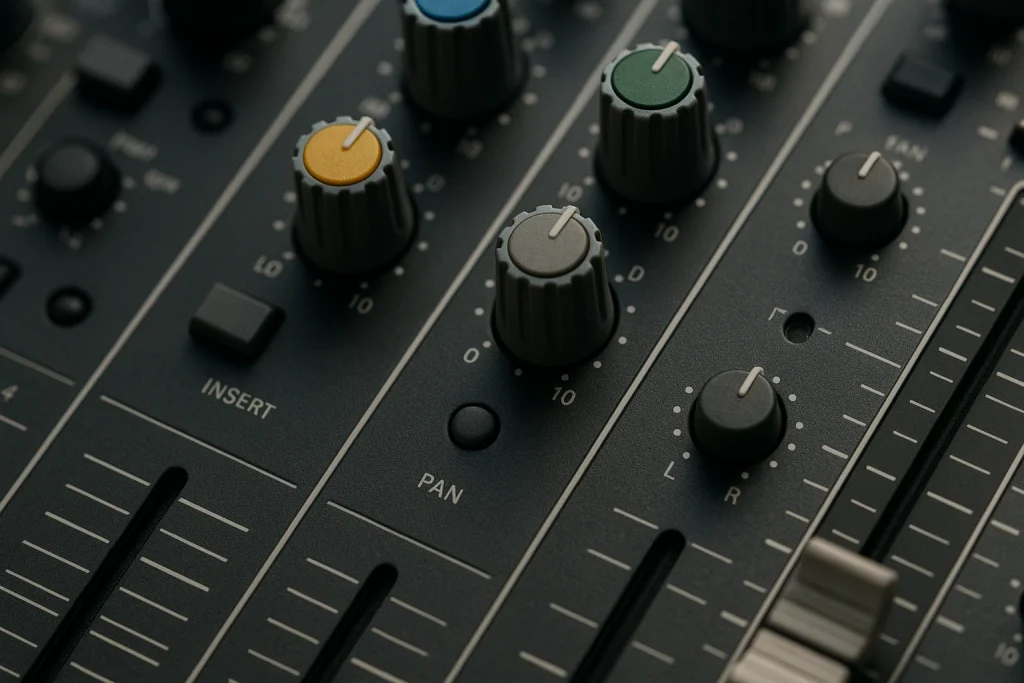
Many producers face the challenge of mixing in less-than-ideal acoustic environments. Poor room acoustics can lead to frequency masking, where certain frequencies overpower others, making it difficult to achieve a balanced mix. To combat this, invest in basic acoustic treatment, such as bass traps and diffusers, to improve the listening environment.
Frequency masking is particularly problematic in the low to mid-range frequencies, where vocals often compete with bass and synth elements. Use EQ to carve out space in these frequency ranges for the vocals. For further insights, explore our Best Studio Monitors on a Budget guide for recommendations on equipment that can enhance your mixing environment.
Mixing for Streaming Platforms
With the rise of streaming platforms, mixing for these mediums has become increasingly important. Streaming services often apply loudness normalization, which can affect the perceived volume of your track. Avoid over-limiting your mix to maintain dynamic range and prevent distortion when your track is streamed.
To ensure your mix translates well across platforms, use reliable reference tracks from successful EDM artists. Analyze their mixes on platforms like Beatport and SoundCloud. This practice helps you gauge how your mix compares and adjust accordingly. For additional streaming tips, visit our How to Get More Streams guide.
Common Mistakes in Vocal Mixing
Even seasoned producers can fall into common traps that result in amateur-sounding mixes. One such mistake is neglecting the importance of vocal tuning. Ensuring your vocals are in tune is essential for a polished sound. Use pitch correction tools sparingly to maintain a natural feel.
Another frequent error is overprocessing with effects like reverb and delay, leading to a muddy mix. Always aim for subtlety in effect application, ensuring that the vocal remains the focal point of the mix. Regularly reference your mix against professional tracks to avoid these pitfalls. For more on finishing your tracks efficiently, explore our How to Finish Tracks Faster guide.
Using Reference Tracks Effectively
Reference tracks are an invaluable tool for improving your mix. By comparing your mix to professionally mixed and mastered tracks, you can identify areas for improvement. Choose tracks that match the style and energy of your project and listen critically to elements like vocal presence, stereo width, and overall balance.
Platforms such as Resident Advisor and DJ Mag are excellent resources for discovering high-quality reference tracks. Additionally, our How to Use Reference Tracks guide provides further strategies to refine your mixing process.
Frequently Asked Questions
What is the best EQ setting for EDM vocals?
There is no one-size-fits-all EQ setting for EDM vocals, as it depends on the specific track and vocal characteristics. However, a common starting point is to remove unwanted low frequencies below 100 Hz, boost around 3-5 kHz for clarity, and attenuate harsh frequencies around 2-4 kHz if needed.
How can I make my vocals stand out in a dense mix?
To make vocals stand out, use a combination of EQ, compression, and spatial effects. Ensure that the vocals have their own frequency space by cutting competing frequencies in other instruments. Parallel compression can also add depth and presence.
Why do my mixes sound different on streaming platforms?
Streaming platforms use loudness normalization, which can alter the perceived volume and dynamics of your mix. It’s important to mix with these standards in mind and avoid excessive limiting, which can lead to distortion when normalized.
What are some tips for mixing vocals at home?
Invest in basic acoustic treatment like bass traps and diffusers to improve your room’s acoustics. Use headphones and reference tracks to cross-check your mix, and apply corrective EQ to address any frequency masking issues.
How can The Ghost Production help with vocal mixing?
The Ghost Production offers music production services and ghost-produced tracks that can provide a professional edge to your mixes, ensuring high-quality results that are ready for release and streaming.
Last updated:
Ready to Scale Your Music Output?
Release more music, hit more deadlines, and build a stronger catalog — with professional ghost production that sounds exactly like you.