
Learn to DJ – Complete Beginner Guide
Learn to DJ – Complete Beginner Guide
In the vibrant world of electronic dance music, the role of the DJ has evolved dramatically over the decades. Learning to DJ is not just about spinning records; it’s about becoming a master of music curation and performance. Whether you’re inspired by the legendary sets of Carl Cox or the innovative mixing techniques of Charlotte de Witte, this guide will help you navigate through the essentials of DJing in 2026.
From understanding equipment to mastering software, and from beatmatching to mixing, this comprehensive guide covers everything you need to kickstart your DJing journey. We’ll also delve into real-world statistics, industry examples, and provide actionable advice to help you set yourself apart in a competitive field. So, if you’re ready to hit the decks, let’s dive into the world of DJing!
Understanding DJ Equipment
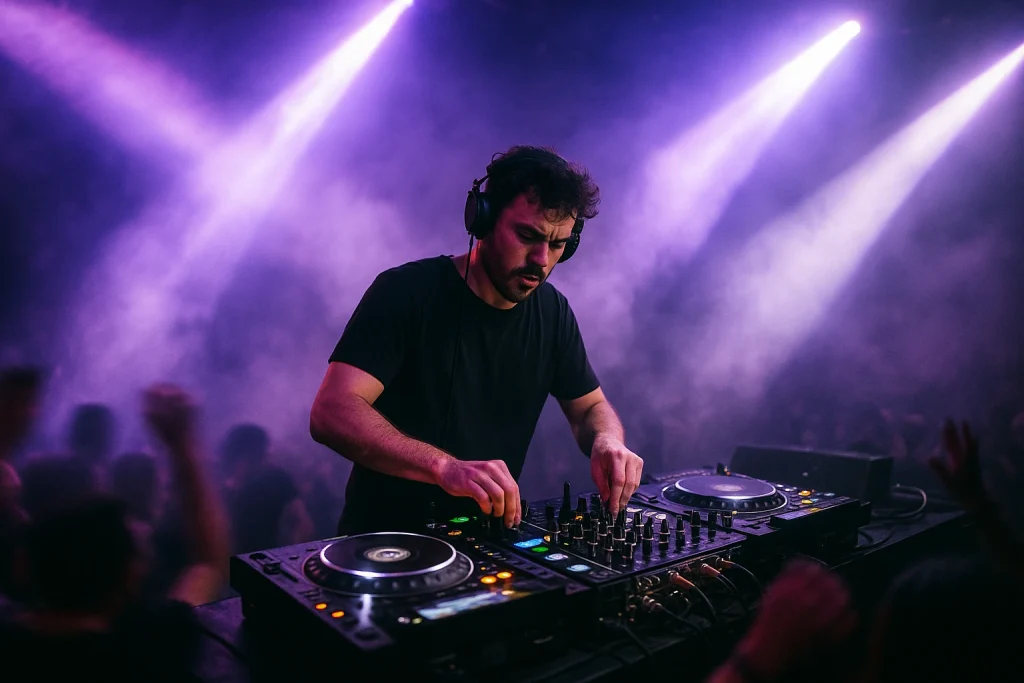
The heart of any DJ setup lies in the equipment. As of 2026, the technology has advanced significantly, offering a range of tools that cater to both traditionalists and tech-savvy DJs. Understanding your gear is crucial to delivering a seamless performance.
Essential DJ Gear
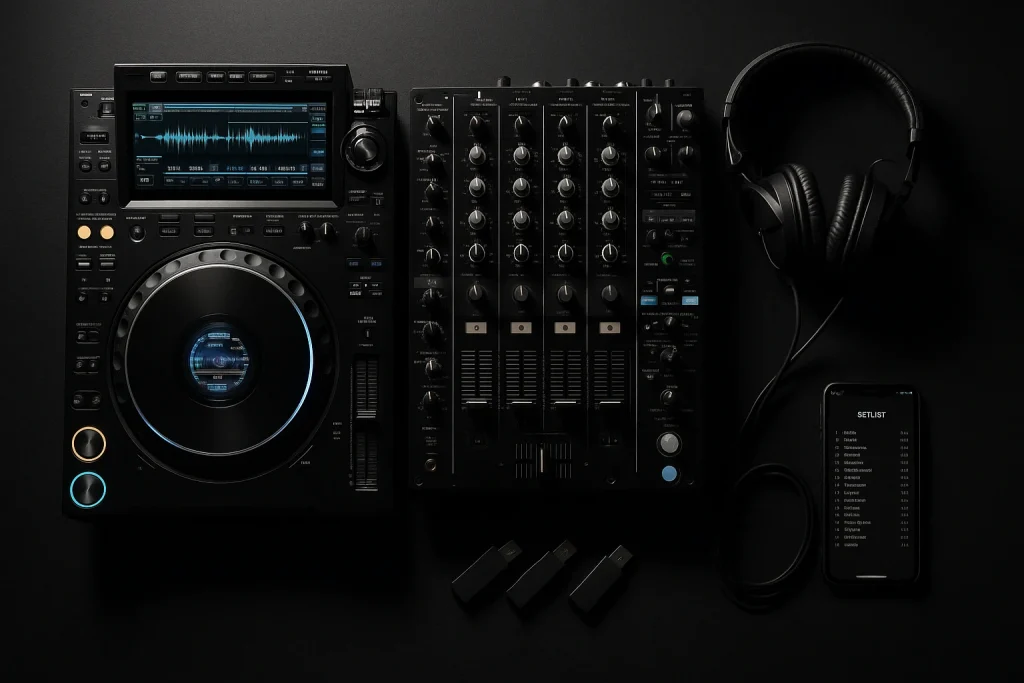
- Turntables: Although digital options abound, many DJs still prefer the tactile feel of vinyl. Brands like Technics and Pioneer remain industry standards.
- CDJs: These digital players are popular for their versatility. The Pioneer CDJ-3000, released in 2020, continues to dominate the market with its advanced features.
- Mixers: A good mixer is essential for blending tracks. The Allen & Heath Xone series is renowned for its sound quality and durability.
- Controllers: For those who prefer a more digital approach, controllers like the Native Instruments Traktor S4 offer extensive control over DJ software.
Choosing the right equipment depends on your style and budget. For a detailed comparison of popular DJ gear, you can explore resources such as MusicRadar for reviews and recommendations.
DJ Software: The Digital Revolution
The advent of DJ software has revolutionized the industry, providing DJs with unprecedented creative possibilities. Whether you’re mixing at home or performing live, software like Serato, Traktor, and Rekordbox are integral to the modern DJ toolkit.
Popular DJ Software
| Software | Key Features | Price Range |
|---|---|---|
| Serato DJ Pro | Intuitive interface, DVS support, extensive library management | $129–$299 |
| Traktor Pro 3 | Stems capability, remix decks, effects galore | $99–$299 |
| Rekordbox | Performance mode, cloud library sync, video support | Free–$129 |
Each software has its unique strengths. For instance, Rekordbox is preferred by many due to its seamless integration with Pioneer hardware. To further explore these options, visit Beatport for a comprehensive guide on DJ software.
Mastering Beatmatching and Mixing
Beatmatching and mixing are the foundational skills of any DJ. While technology offers tools like sync buttons, mastering these skills manually is crucial for developing your ear and understanding the nuances of tracks.
Beatmatching Basics
Beatmatching involves aligning the beats of two tracks to ensure a smooth transition. Start by matching the BPM (beats per minute) and use your pitch fader to make fine adjustments. With practice, you’ll learn to rely on your ears rather than visual cues.
Advanced Mixing Techniques
Once you’ve mastered beatmatching, explore advanced mixing techniques such as EQ mixing, phrasing, and harmonic mixing. These techniques will allow you to create dynamic and engaging sets. Resources like Resident Advisor offer insightful articles on advanced DJ techniques.
Creating Your Unique Sound
To stand out as a DJ, it’s essential to develop a unique sound. This involves not only your track selection but also how you manipulate those tracks. Consider using custom DJ edits and bootlegs to add a personal touch to your sets.
For DJs looking to create custom edits, services like Splice offer a plethora of samples and sounds to experiment with. Additionally, exploring ghost production can help you acquire exclusive tracks that can define your sets. Learn more about ordering custom tracks at [Custom DJ Tracks – Order Music Made for Your Sets](https://theghostproduction.com/dj-resources/custom-dj-tracks/) and [DJ Edits and Bootlegs – Custom Edits for Your Sets](https://theghostproduction.com/dj-resources/dj-edits-and-bootlegs/).
Building a Brand and Audience
In the digital age, building a brand is as important as honing your DJ skills. Social media platforms and streaming services like SoundCloud and Spotify for Artists play a crucial role in reaching new audiences.
Social Media Strategies
Engage with your audience through consistent posting, live streams, and collaborations. Use platforms like Instagram and TikTok to showcase your skills and personality. For more tips, the [How to Build Your DJ Brand Identity](https://theghostproduction.com/dj-resources/dj-brand-identity/) guide is a valuable resource.
Leveraging Streaming Platforms
Platforms like Spotify and Apple Music provide opportunities for DJs to share their mixes with a global audience. Understanding analytics on these platforms can help you tailor your content to your listeners’ preferences. Explore Apple Music for Artists for insights on reaching your audience.
Exploring Ghost Production
For DJs looking to differentiate themselves, ghost production offers a way to access exclusive and custom tracks. This not only enhances your sets but also helps build a unique brand identity. Discover how you can benefit from ghost production by visiting [Buy Exclusive Ghost-Produced Tracks](https://theghostproduction.combuy-ghost-produced-tracks/) and [How Ghost Production Works](https://theghostproduction.comghost-production/).
Frequently Asked Questions
What equipment do I need to start DJing?
Begin with a basic setup that includes a pair of turntables or a controller, a mixer, and headphones. As you progress, you might invest in more specialized equipment like CDJs or advanced controllers.
How can I learn to beatmatch effectively?
Start by practicing with tracks that have a similar BPM. Use your ears to align the beats and make use of the pitch fader for fine-tuning. Over time, this skill will become second nature.
What are some tips for building a DJ brand?
Consistency is key. Regularly update your social media, engage with your audience, and collaborate with other artists. A unique visual identity and engaging content will help you stand out.
Can ghost production help me as a DJ?
Absolutely. Ghost production allows you to obtain custom tracks that align with your style, giving you a competitive edge. It also frees up time to focus on performance and branding.
How do I get my first DJ gig?
Start by networking within your local scene, attending events, and offering to open for other DJs. Building a strong online presence will also attract attention from promoters looking for fresh talent.
Last updated:
Stand Out From Every Other DJ
The DJs who get booked and remembered play music nobody else has. Commission exclusive ghost-produced tracks and edits made specifically for your sound.