
How to Produce Music – Beginner Guide
How to Produce Music – Beginner Guide
Embarking on the journey of music production can be both exhilarating and overwhelming. Understanding how to produce music involves mastering various technical skills, creative processes, and industry knowledge. This guide provides a comprehensive overview for beginners, covering everything from selecting the right Digital Audio Workstation (DAW) to completing your first track. We’ll explore common myths, realities, and expert tips to help you navigate the world of music production with confidence.
Music production has evolved significantly over the past few decades. With the digital revolution, producers now have access to powerful tools and platforms that were unimaginable just 20 years ago. As of 2026, the global music production software market is valued at over $2 billion, with DAWs like Ableton Live, FL Studio, and Logic Pro leading the charge. Understanding these tools is crucial for anyone serious about making music today.
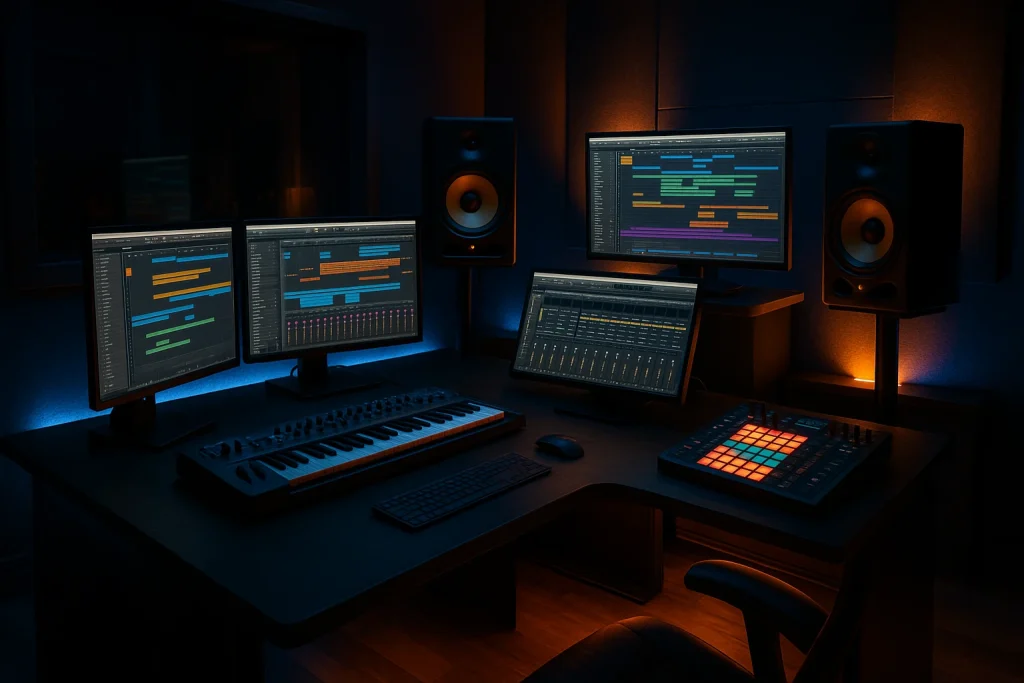
In this guide, we will cover essential topics such as the different stages of music production, the importance of sound design, and the role of mixing and mastering. Whether you’re aiming to create electronic dance music, pop, or any other genre, these foundational insights will serve you well. Additionally, we’ll discuss the growing trend of ghost production and how it can help you scale your output without burnout.
Choosing Your Digital Audio Workstation (DAW)
The first step in music production is selecting a DAW. This software serves as the central hub where you create, edit, and mix your tracks. Popular DAWs include Ableton Live, FL Studio, Logic Pro, and Pro Tools. Each DAW has its strengths, and your choice should align with your workflow and genre.
Ableton Live, for instance, is renowned for its live performance capabilities and user-friendly interface, making it a favorite among electronic music producers. FL Studio offers a more visual approach with its pattern-based sequencer, ideal for beginners. Logic Pro is a comprehensive tool favored by many professional producers across various genres.
| DAW | Best For | Platform | Price (as of 2026) |
|---|---|---|---|
| Ableton Live | Live performance, Electronic Music | Windows, macOS | $749 |
| FL Studio | Beginners, Beat Making | Windows, macOS | $299 |
| Logic Pro | Professional Studio Production | macOS | $199 |
| Pro Tools | Audio Editing, Recording | Windows, macOS | $599 |
Consider your budget, preferred operating system, and specific production needs when choosing a DAW. Platforms like Splice offer trials and subscriptions to help you test different DAWs before committing.
Understanding the Basics of Sound Design
Sound design is a crucial element of music production. It involves creating and manipulating audio elements to build unique and compelling sounds. This process is particularly significant in genres like electronic and pop music, where the texture and quality of sounds can define a track’s identity.
Mastering virtual instruments and synthesizers is essential for sound design. Popular synths such as Serum, Massive, and Sylenth1 offer vast possibilities for sound creation. Engaging with communities on platforms like SoundCloud can provide inspiration and feedback on your sound design efforts.
Sound design also involves understanding the role of effects like reverb, delay, and distortion. These tools shape the spatial and dynamic aspects of your sounds, enhancing their presence and impact within a mix.
The Art of Mixing and Mastering
Mixing and mastering are the final stages of music production, transforming raw tracks into polished, professional recordings. Mixing involves balancing individual tracks by adjusting levels, panning, and applying effects. It ensures each element of your track is clear and cohesive.
Mastering is the process of finalizing the mix, preparing it for distribution. It involves enhancing the overall sound through equalization, compression, and limiting. Mastering ensures your track sounds great across various platforms and devices, from club sound systems to streaming services like Spotify for Artists.
Many producers choose to outsource mastering to professionals to achieve the highest quality. Services like The Ghost Production offer professional mastering as part of their music production services, ensuring your tracks are ready for release.
The Role of Ghost Production in Scaling Your Output
Ghost production has gained traction as a viable solution for artists looking to expand their catalog without overextending themselves. By hiring a ghost producer, you can maintain a consistent release schedule and focus on other aspects of your career, such as DJing or live performances.
Ghost producers create tracks based on your specifications, allowing you to retain creative control. This approach is particularly beneficial for labels and artists who need reliable music for their roster. For more insights, check out our guide on Ghost Producer for Labels.
Debunking Common Myths About Music Production
There are several misconceptions about music production that can discourage newcomers. One common myth is that you need expensive equipment to produce high-quality music. In reality, many successful producers started with minimal setups, relying on creativity and skill rather than gear.
Another myth is that you must have formal music training to succeed. While knowledge of music theory can be beneficial, many producers are self-taught, using online resources and communities to hone their craft. Platforms like MusicRadar offer tutorials and articles to support your learning journey.
Practical Tips for Aspiring Music Producers
As you begin your journey into music production, consider the following practical tips:
- Start Simple: Focus on mastering a few tools and techniques before expanding your setup.
- Seek Feedback: Share your work with others to gain insights and improve your skills. Communities on Mixmag can be valuable for networking and feedback.
- Stay Consistent: Regular practice and experimentation are key to developing your unique sound and style.
- Learn from Others: Collaborate with fellow producers and consider co-production opportunities to expand your skills.
For those looking to take their production to the next level, explore options like Ghost Production for Music Producers to collaborate and outsource creatively.
Exploring Future Trends in Music Production
The music production landscape is constantly evolving, with new technologies and trends shaping the industry. Artificial intelligence (AI) is one such trend, offering innovative tools for music creation and production. AI can assist with everything from sound design to mixing, providing new opportunities for creativity.
Additionally, the rise of immersive audio formats like Dolby Atmos is changing the way producers think about spatial sound. These advancements require producers to adapt their skills and techniques to stay competitive in the market.
Staying informed about industry developments is crucial. Resources like Resident Advisor provide valuable insights and updates on the latest trends in electronic dance music and beyond.
Frequently Asked Questions
What is the best DAW for beginners?
Ableton Live and FL Studio are popular choices for beginners due to their intuitive interfaces and robust features. Your choice should align with your workflow and production goals.
Do I need expensive equipment to start producing music?
No, you can start with a basic setup and gradually invest in equipment as your skills and needs grow. Many successful producers began with minimal gear.
How can I improve my mixing skills?
Practice regularly, seek feedback from peers, and study mixing techniques through online tutorials and courses. Consider outsourcing to professionals for mastering.
What is ghost production?
Ghost production involves hiring a producer to create tracks under your name. It allows artists to maintain a steady output without handling all production tasks themselves.
How can I stay updated on music production trends?
Follow industry publications like MusicRadar and Mixmag, and engage with online communities to stay informed about the latest developments.
Last updated:
Ready to Scale Your Music Output?
Release more music, hit more deadlines, and build a stronger catalog — with professional ghost production that sounds exactly like you.