
How to Make Techno Music
How to Make Techno Music: A Guide for Producers
Techno music has a rich history, evolving from its early roots in the 1980s to become a global phenomenon today. If you’re interested in learning how to make techno music, understanding its origins and the key elements that define the genre is essential. From the influential Belleville Three to today’s techno titans, this guide will help you navigate the intricacies of techno production, including its BPM spectrum, production anatomy, and current trends.
Techno originated in Detroit, Michigan, in the early 1980s, with visionary producers like Juan Atkins, Derrick May, and Kevin Saunderson, collectively known as the Belleville Three. Their innovative use of drum machines and synthesizers laid the foundation for a genre that would grow beyond its roots to become a mainstay of electronic music worldwide. Berlin played a pivotal role in globalizing techno, with iconic clubs like Tresor, Berghain, and WMF becoming epicenters for the genre’s evolution.
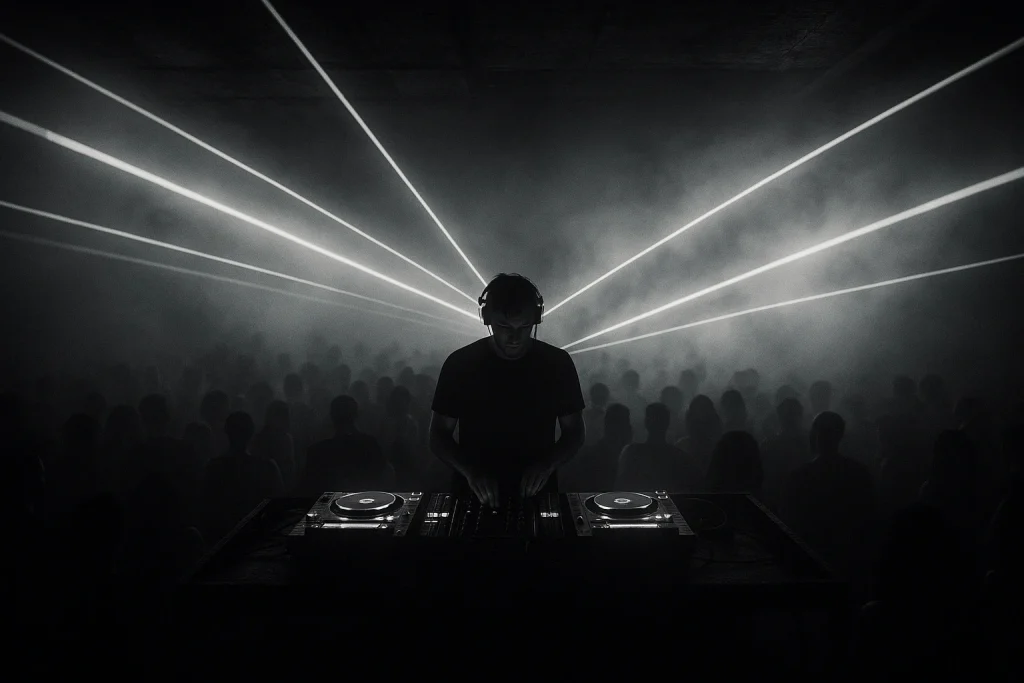
Today’s techno encompasses a broad spectrum of styles and BPM ranges, from the minimal 120 BPM to the more industrial and hard-hitting 145 BPM and above. As you embark on your journey to create techno music, understanding these elements will help you craft tracks that resonate with both the dance floor and your artistic vision.
Understanding Techno’s BPM Spectrum
One of the defining characteristics of techno music is its tempo. Techno tracks typically range from 120 BPM, which is considered minimal, to over 145 BPM, which is associated with more aggressive, industrial styles. As a producer, choosing the right BPM for your track is crucial as it sets the energy level and influences how listeners experience your music.
Minimal techno, often characterized by its sparse arrangement and focus on subtle groove, typically resides in the 120–125 BPM range. This style allows for a hypnotic, immersive experience, focusing on nuanced sound design and gradual progression.
Mid-range techno, around 128–135 BPM, is the sweet spot for many producers, offering a balance of energy and groove. This tempo range is versatile and has been popularized by artists like Adam Beyer and Charlotte de Witte, who have mastered the art of crafting compelling rhythms within this BPM window.
Faster, industrial techno pushes the boundaries above 140 BPM, delivering high-energy, relentless beats that are often layered with aggressive percussion and distorted sounds. This style is perfect for late-night sets where the objective is to drive the dance floor into a frenzy.
Key Elements of Techno Production
Creating a techno track involves several core elements, each contributing to the overall sound and feel of the music. Understanding these components is essential for any producer aiming to capture the essence of the genre.
Drum Patterns and the 909 Kick
The Roland TR-909 drum machine is synonymous with techno, known for its punchy kicks and crisp hi-hats. A typical techno track will utilize a four-on-the-floor kick pattern, providing a steady and driving rhythm. Producers often layer additional percussion elements, such as claps, snares, and hi-hats, to add complexity and texture to the beat.
Experimenting with different kick drum sounds and patterns is a common practice in techno production. Producers may use sidechain compression to create a pulsing effect, or layer multiple kicks to achieve a fuller sound. The goal is to create a rhythmic foundation that is both powerful and hypnotic.
Acid Basslines and Industrial Noise
Acid basslines, often created using the Roland TB-303 or similar synthesizers, are a staple in many techno tracks. These squelchy, resonant sounds add a distinctive character to the music, driving the momentum and providing a dynamic counterpoint to the steady kick drum.
Incorporating industrial noise elements is another way to add depth and intensity to a techno track. This can include distorted synth lines, metallic clangs, and atmospheric pads, all contributing to a rich, textured soundscape. Producers like Amelie Lens have utilized these techniques to create immersive and impactful tracks.
Building a Career in Techno: Lessons from Leading Artists
Today’s leading techno artists have built their careers through a combination of talent, strategic collaborations, and a deep understanding of the genre’s evolution. Let’s explore how artists like Adam Beyer, Charlotte de Witte, and Amelie Lens have achieved success in the techno scene.
Adam Beyer
Adam Beyer, the founder of Drumcode Records, has been instrumental in shaping modern techno. His label has become synonymous with high-quality techno releases, providing a platform for both established and emerging artists. Beyer’s ability to balance commercial success with underground credibility has made him a respected figure in the techno community.
Charlotte de Witte
Charlotte de Witte has quickly risen to prominence, known for her relentless energy and distinctive sound. Her focus on dark, driving techno has resonated with audiences worldwide, earning her headlining spots at major festivals and a loyal fan base. De Witte’s success highlights the importance of carving out a unique niche and staying true to one’s artistic vision.
Amelie Lens
Amelie Lens has become a household name in techno through her charismatic performances and consistently high-quality productions. Her label, Lenske, showcases her commitment to pushing the boundaries of techno and supporting emerging talent. Lens’s approach emphasizes the importance of community and collaboration within the techno scene.
Current Trends in Techno: 2025–2026
As we move into 2026, several trends are shaping the techno landscape. Understanding these trends can inspire your productions and help you stay ahead of the curve.
Hypnotic and Melodic Techno
Hypnotic and melodic techno has gained popularity, characterized by lush soundscapes and intricate melodies. This style focuses on creating an immersive experience, often using extended breakdowns and evolving motifs to captivate listeners. Artists like Stephan Bodzin and Tale Of Us have been at the forefront of this trend, blending emotional depth with driving rhythms.
Rave Techno
Rave techno is making a comeback, drawing inspiration from the early days of the genre with its euphoric melodies and high-energy beats. This style celebrates the hedonistic spirit of rave culture, combining acid lines, breakbeats, and vocal samples to create an electrifying atmosphere.
| Techno Style | BPM Range | Key Artists | Characteristics |
|---|---|---|---|
| Minimal Techno | 120–125 BPM | Ricardo Villalobos, Richie Hawtin | Sparse, hypnotic, groove-focused |
| Melodic Techno | 126–132 BPM | Stephan Bodzin, Tale Of Us | Lush, immersive, melodic |
| Industrial Techno | 140+ BPM | Dax J, Paula Temple | Hard-hitting, aggressive, noisy |
Utilizing Resources to Enhance Your Production
To succeed in creating techno music, leveraging available resources can be immensely beneficial. Platforms like Splice offer access to a vast library of samples and sounds, providing inspiration and tools to enhance your productions. Additionally, understanding the business side of music production is crucial.
For those looking to scale their output or collaborate with seasoned professionals, services like The Ghost Production offer ghost production and collaboration opportunities. These services can help you produce high-quality tracks, whether you’re seeking to expand your repertoire or refine your sound.
Exploring how to get signed as a producer can also be a fruitful endeavor. Understanding industry dynamics and building relationships with labels can open doors to new opportunities. Check out our guide on how to get signed as a producer for strategic insights.
Essential Tools and Equipment for Techno Production
Having the right tools and equipment is crucial for producing high-quality techno. From software to hardware, each component plays a vital role in shaping your sound. Read on to discover the essentials for your studio setup.
Digital Audio Workstations (DAWs)
Choosing the right DAW is a personal decision that depends on your workflow and production style. Popular choices among techno producers include Ableton Live and FL Studio, both offering versatile features and powerful MIDI capabilities. To help you decide, check out our comparative guide on Ableton vs FL Studio.
Studio Monitors and Audio Interfaces
Accurate monitoring is essential for mixing and mastering your tracks. Investing in a quality pair of studio monitors, even on a budget, can significantly impact the clarity and detail of your mixes. For recommendations, visit our article on the best studio monitors on a budget.
An audio interface is another essential piece of equipment, converting analog signals to digital and vice versa. For home studios, finding the best audio interface that suits your needs is key. Explore our guide on the best audio interface for home studio.
Frequently Asked Questions
What is the typical BPM for techno music?
Techno music generally ranges from 120 BPM for minimal styles to 145 BPM and above for more industrial sounds. The BPM you choose will depend on the sub-genre and desired energy level of your track.
Who are some influential techno producers today?
Influential techno producers include Adam Beyer, Charlotte de Witte, Amelie Lens, and Stephan Bodzin. Each artist brings a unique style and has significantly contributed to the evolution of techno.
What equipment is essential for producing techno?
Essential equipment includes a reliable DAW, quality studio monitors, an audio interface, and possibly synthesizers like the TR-909 or TB-303 for classic techno sounds. For more detailed insights, refer to our guides on essential music production plugins and home studio setup.
How can I get my techno tracks signed to a label?
Getting signed requires a combination of quality production, networking, and understanding the music industry. Consider submitting your demos to labels and building relationships with industry professionals. For guidance, check out our resources on where to submit demos and demo submission for labels.
Can I collaborate with other producers to improve my techno tracks?
Yes, collaboration can be a valuable way to enhance your productions and learn new techniques. You can explore co-production opportunities or hire experienced producers through platforms like The Ghost Production. Additionally, our page on music production collaboration offers insights into working with other artists.
Last updated:
Ready to Scale Your Music Output?
Release more music, hit more deadlines, and build a stronger catalog — with professional ghost production that sounds exactly like you.