
How to Make Tech House
How to Make Tech House: A Comprehensive Guide for Producers
The journey of house music from its roots in Chicago to becoming a global phenomenon has been nothing short of revolutionary. For producers looking to delve into the tech house sub-genre, understanding these roots is essential. Pioneers like Frankie Knuckles, Larry Heard, and Ron Hardy laid the groundwork at venues like The Warehouse, crafting the sound that would evolve into the diverse landscape of house music genres we know today. These early innovators combined disco’s infectious grooves with emerging electronic sounds, ultimately influencing countless producers and DJs worldwide.
As house music evolved, it splintered into various sub-genres, including deep house, afro house, progressive house, melodic house, and, notably, tech house. Each brought something unique to the table, yet they all remain interconnected by the foundational elements of house music: the four-on-the-floor drum pattern, off-beat hi-hats, and soulful chord progressions. In this article, we’ll explore the essentials of creating tech house tracks, dissect the impact of labels like Defected Records, and examine the influence of current market leaders like Fisher, Chris Lake, and Fred again…

The Historical Roots of House Music
House music began in the early 1980s in Chicago, a city that became synonymous with the genre. The legendary club, The Warehouse, run by Frankie Knuckles, was a pivotal location where the sound of house music was developed and nurtured. Larry Heard and Ron Hardy were also instrumental in this burgeoning scene, driving forward the innovation that would define house music.
As house music gained popularity, it evolved into various sub-genres. Deep house emerged with its soulful and ambient undertones, while afro house incorporated African rhythms and melodies. Progressive house focused on lush melodies and build-ups, and melodic house introduced intricate harmonies and emotive chords. Despite these differences, the unifying element remains the infectious, dance-floor-friendly beats.
Understanding Tech House: Characteristics and Production Techniques
Tech house is characterized by its minimalist aesthetic, combining elements of house and techno. The genre typically features a steady four-on-the-floor beat, a strong bassline, and repetitive, but catchy, synth patterns. Tech house tracks often include a sparse arrangement that leaves room for creative sound design and effects.
Key Production Elements
- Four-on-the-floor Beat: Central to tech house is the continuous and consistent kick drum pattern, which creates a driving rhythm.
- Bassline: A groovy bassline is essential. It should complement the kick drum and provide a solid foundation for other elements.
- Off-beat Hi-hats: These add energy and movement, working in tandem with the bass to maintain a dynamic groove.
- Soulful Chord Progressions: While tech house can be minimalist, incorporating soulful chords can add depth and emotion.
For those new to producing tech house, experimenting with these elements is crucial. Learning how to mix these components effectively can be enhanced by exploring resources like the Essential Music Production Plugins guide to find the right tools for your production setup.
The Role of Defected Records in Tech House
Defected Records, founded in 1999, played a significant role in popularizing house music on a global scale. The label’s strategy focused on high-quality releases and nurturing new talent, which significantly changed the business model for electronic music labels. Defected’s emphasis on tech house has helped shape the genre’s sound and visibility in the modern music landscape.
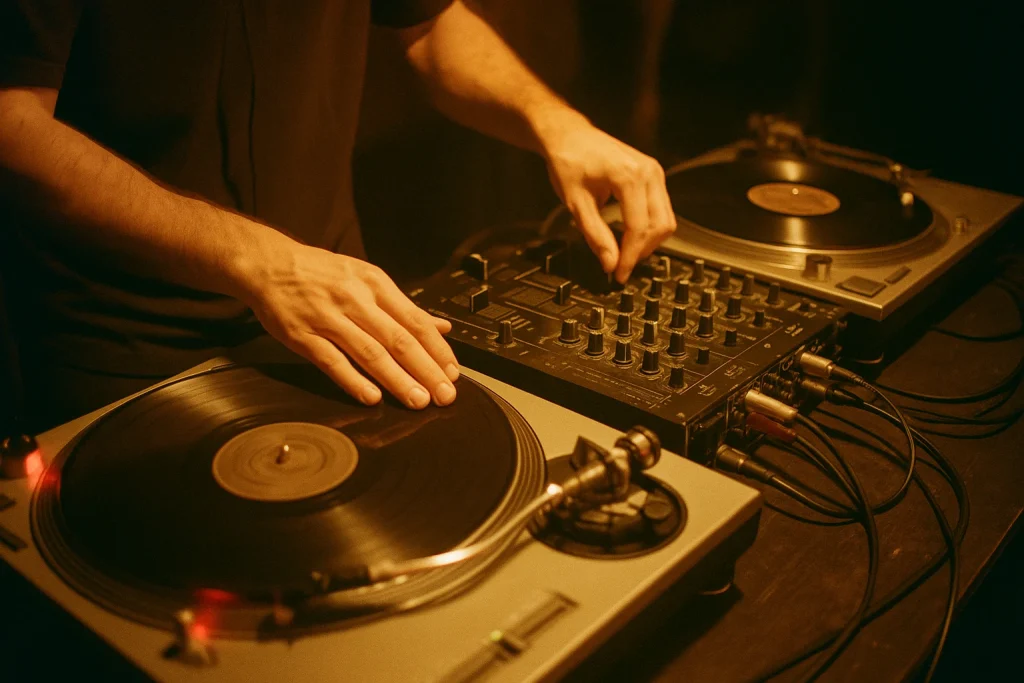
Through collaborations with artists and DJs, Defected has ensured that tech house remains a vibrant and evolving genre. Their events and releases continue to set trends and inspire producers worldwide. If you’re looking to get signed to a label that champions tech house, consider exploring their submission process and learn more about Record Labels Accepting Demos in 2026.
Current Leaders in the Tech House Scene
Today, tech house’s popularity is driven by influential artists such as Fisher, Chris Lake, and Fred again.. These artists have successfully blended organic and electronic elements to create tracks that resonate with audiences globally. Their innovative approach to tech house production has set benchmarks for new producers entering the scene.
| Artist | Key Releases | Unique Elements |
|---|---|---|
| Fisher | Losing It (2018) | Catchy hooks, energetic basslines |
| Chris Lake | Turn off the Lights (2018) | Funky grooves, vocal samples |
| Fred again.. | Actual Life (2021) | Emotional depth, melodic structures |
Tech house producers today strive to balance innovation with the genre’s core elements. If you’re aiming to emulate these leaders, consider collaboration opportunities through platforms like Splice and discover how to Collaborate on Tracks for fresh creative input.
Essential Gear and Software for Tech House Production
Having the right tools is critical for producing quality tech house music. While many producers start with a basic home studio setup, advancing your equipment can significantly impact the production quality.
- Digital Audio Workstation (DAW): Popular choices include Ableton Live, FL Studio, and Logic Pro. Each offers unique features suited for tech house production.
- Studio Monitors: Investing in good monitors like those recommended in the Best Studio Monitors on a Budget can drastically improve your mixing and mastering process.
- Software Synths and Plugins: Tools like Serum, Massive, and Sylenth1 are staples for creating tech house sounds.
- Drum Machines: Roland’s TR-909 and TR-808 are iconic in electronic music production for their rich, punchy sounds.
For those just starting, the Home Studio Setup for Beginners guide provides comprehensive advice on building your initial studio environment.
Navigating the Business Side of Tech House
Beyond production, understanding the business side of music is crucial. Producers must be adept at networking, marketing, and distribution to succeed in tech house.
One effective strategy is to utilize ghost production services. This can significantly boost your output and allow you to focus on creative aspects. Learn more about How to Release More Music and scale your output without burnout. For those interested in getting tracks made for them, consider Hiring a Ghost Producer or exploring Buying Exclusive Ghost-Produced Tracks.
To further your career, understanding how to effectively Get Signed as a Producer and where to Submit Demos is invaluable. This knowledge will help you present your music to the right audiences and labels.
Frequently Asked Questions
What are the key elements of tech house music?
Tech house music is characterized by a four-on-the-floor beat, groovy basslines, off-beat hi-hats, and often minimalist arrangements that focus on rhythm and energy.
Who are some influential tech house artists today?
Current influential artists in the tech house scene include Fisher, Chris Lake, and Fred again.., all known for their innovative tracks that blend electronic and organic elements.
What equipment do I need to produce tech house?
At a minimum, you need a digital audio workstation (DAW), studio monitors, a MIDI controller, and software synths. For enhanced production, consider adding drum machines and advanced plugins.
How can I get my tech house music signed to a label?
To get signed, focus on producing high-quality tracks, building a strong online presence, and submitting your demos to record labels that align with your musical style.
Is ghost production a viable option for tech house producers?
Yes, ghost production can be a viable option for tech house producers looking to increase their output and focus on other aspects of their music career. Learn more about the process on The Ghost Production’s How Ghost Production Works page.
Last updated:
Ready to Scale Your Music Output?
Release more music, hit more deadlines, and build a stronger catalog — with professional ghost production that sounds exactly like you.