
How to Make Deep House
How to Make Deep House
Deep house, a sub-genre of house music, is known for its harmonious blend of soulful melodies, lush pads, and deep basslines. Understanding how to make deep house requires a journey through its rich history, appreciation of its foundational elements, and a grasp of its modern-day production techniques. In this article, we’ll explore the genre’s origins, its evolution through various house music styles, and how you can create your own deep house tracks today.
The roots of house music can be traced back to the Chicago club scene of the early 1980s, with influential figures such as Frankie Knuckles, Larry Heard, and Ron Hardy laying the groundwork at legendary venues like The Warehouse. Deep house emerged as a distinct style in the mid-1980s, characterized by its complex chord structures and a slower tempo than its predecessors. As the genre evolved, it absorbed elements from other styles such as tech house, afro house, and progressive house, enriching its sonic palette.
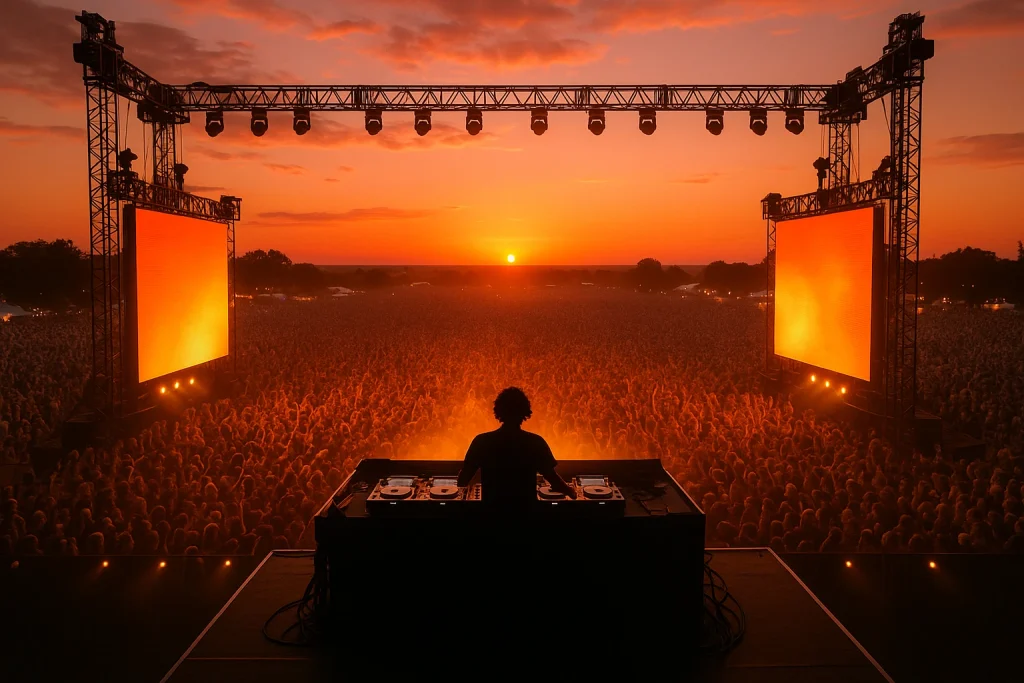
Today, deep house continues to thrive, with artists like Fisher, Chris Lake, and Fred again.. leading the charge by incorporating organic instrumentation and electronic elements. As a producer, understanding these nuances is crucial to capturing the essence of deep house in your own music.
The Evolution of House Music
House music’s journey from the underground clubs of Chicago to global prominence is a story of innovation and adaptation. Initially, house music was a raw, rhythmic sound that offered a new take on disco music, which had declined in popularity. DJs like Frankie Knuckles and Ron Hardy began experimenting with drum machines and synthesizers, crafting a new sound that captivated audiences.
As house music gained traction, sub-genres began to develop, each with its own unique flavor. Deep house emerged as a more soulful and melodic variant, while tech house focused on a more minimalistic and rhythmic approach. Afro house introduced African rhythms and percussion, and progressive house brought a more anthemic and layered sound to the dance floor. Each of these sub-genres contributed to the rich tapestry of house music we know today.
Key Elements of Deep House Production
Creating a deep house track involves several key elements. The genre typically employs a four-on-the-floor beat, characterized by a kick drum hitting on every beat. This steady rhythm provides the foundation upon which other elements are built. Off-beat hi-hats and syncopated percussion add groove and movement to the track, essential for keeping listeners engaged.
Soulful chord progressions are another hallmark of deep house, often created using lush pads or electric piano sounds. These chords provide emotional depth and can transform a track from simple to immersive. Basslines in deep house are typically deep and groovy, emphasizing the lower frequencies without overpowering other elements.
Incorporating organic elements, such as guitar riffs or live percussion, can also elevate a deep house track. This blending of electronic and acoustic sounds is a technique employed by modern artists like Fred again.. and adds a unique dimension to their music.
The Role of Defected Records
Defected Records has played a significant role in shaping the landscape of house music since its inception in 1999. Known for its dedication to quality and innovation, Defected has been instrumental in popularizing deep house and other sub-genres. The label’s success is built on a business model that emphasizes artist development and global reach, ensuring its releases are heard worldwide.
By fostering a community of talented producers and DJs, Defected Records has influenced the direction of house music and provided a platform for emerging artists. This commitment to nurturing talent has ensured the continued growth and evolution of the genre.
Current Leaders in Deep House
In 2026, deep house remains a vibrant and dynamic genre, with several artists driving its evolution. Fisher, known for his infectious hits and energetic performances, continues to push the boundaries of house music. Chris Lake, a veteran producer and DJ, has been instrumental in introducing fresh sounds and innovative production techniques to the genre.
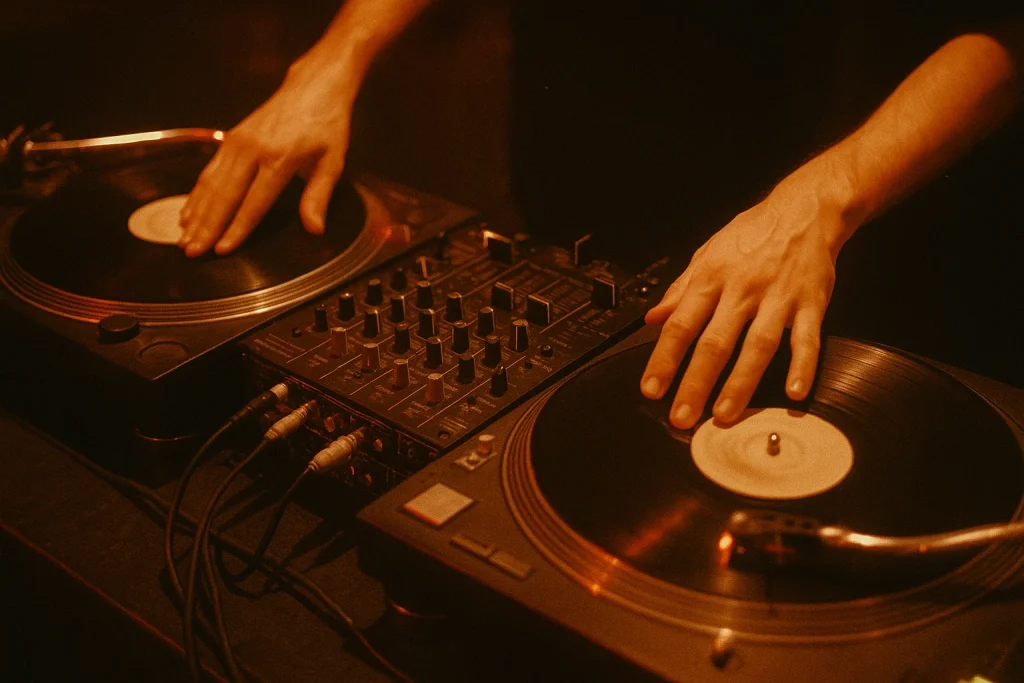
Fred again.., with his unique blend of organic and electronic elements, has captured the attention of a new generation of listeners. His ability to seamlessly integrate live instrumentation with electronic production sets him apart as a leader in the deep house scene.
Essential Tools for Deep House Production
To produce deep house, having the right tools is essential. A digital audio workstation (DAW) like Ableton Live, FL Studio, or Logic Pro is crucial for arranging and producing your tracks. Each DAW offers unique features and workflows, so it’s important to choose one that fits your style. For more on choosing the right DAW, check out our guide on best DAW for beginners.
Soft synths and plugins such as Serum, Massive, and Diva are popular choices for creating the rich textures and lush pads that define deep house. Incorporating quality studio monitors ensures accurate sound reproduction, allowing you to make informed mixing decisions. For recommendations, see our article on best studio monitors on a budget.
Using Samples and Loops
Samples and loops can provide inspiration and add depth to your productions. Websites like Splice offer a vast library of royalty-free sounds that can be used to enhance your tracks. When using samples, it’s important to ensure they fit harmonically and rhythmically with your composition, maintaining the cohesive feel that deep house demands.
Mixing and Mastering Deep House
Mixing and mastering are critical steps in the production process, ensuring your deep house track sounds polished and professional. Mixing involves balancing levels, EQing instruments to avoid frequency clashes, and adding effects to enhance the sonic landscape. For a deeper dive into mixing, our complete mixing guide is a valuable resource.
Mastering is the final step, where the track is optimized for playback across various systems. This process involves EQ, compression, and limiting to ensure your track sounds consistent and competitive. If mastering is outside your expertise, consider hiring a professional or exploring our services for custom track production.
The Future of Deep House
As we look to the future, deep house shows no signs of slowing down. Emerging technologies and platforms continue to shape the genre, offering new opportunities for creativity and collaboration. The rise of AI in music production and the increasing accessibility of production tools have democratized music creation, allowing more producers to contribute to the deep house landscape.
Platforms like SoundCloud and Beatport remain vital for discovering new music and connecting with audiences. As a producer, staying informed about industry trends and continuously honing your skills will position you to succeed in the ever-evolving world of deep house.
Frequently Asked Questions
What is the typical BPM for deep house tracks?
Deep house tracks typically range from 120 to 125 BPM, allowing for a slower, groovier feel compared to other house sub-genres.
What are the best plugins for deep house production?
Popular plugins for deep house production include Serum, Diva, and Massive for synth sounds, and FabFilter Pro-Q for EQ. Check out our guide on essential music production plugins for more options.
How can I add organic elements to my deep house track?
Incorporating live instruments, such as guitars or percussion, and recording ambient sounds can add an organic touch to your deep house tracks. Experiment with blending these elements with electronic sounds for a unique result.
Where can I submit my deep house demos?
Consider submitting your demos to labels like Defected Records or platforms for demo submission. Building relationships with A&R representatives can also increase your chances of getting noticed.
Can I hire a ghost producer for deep house tracks?
Yes, hiring a ghost producer can be a viable option to enhance your output. Explore our music production services to learn more about how ghost production can benefit your projects.
Last updated:
Ready to Scale Your Music Output?
Release more music, hit more deadlines, and build a stronger catalog — with professional ghost production that sounds exactly like you.