
How to Get Into a DJ Pool
How to Get Into a DJ Pool
Joining a DJ pool is a crucial step for any DJ looking to access a rich library of exclusive tracks and remixes, often before they hit mainstream platforms. This article will delve into how to get into a DJ pool, detailing the requirements, application processes, and the benefits of being part of these exclusive communities. Whether you’re an aspiring DJ or an established professional, understanding the dynamics of DJ pools can significantly enhance your music collection and performance repertoire.
DJ pools have been around since the 1970s and have evolved with the music industry, adapting to the digital age where access to exclusive music is paramount. By 2026, with the proliferation of streaming services and digital downloads, the significance of DJ pools has only grown. Today, they offer a legal and efficient way to access music that can set a DJ apart from the rest.
Understanding DJ Pools and Their Purpose
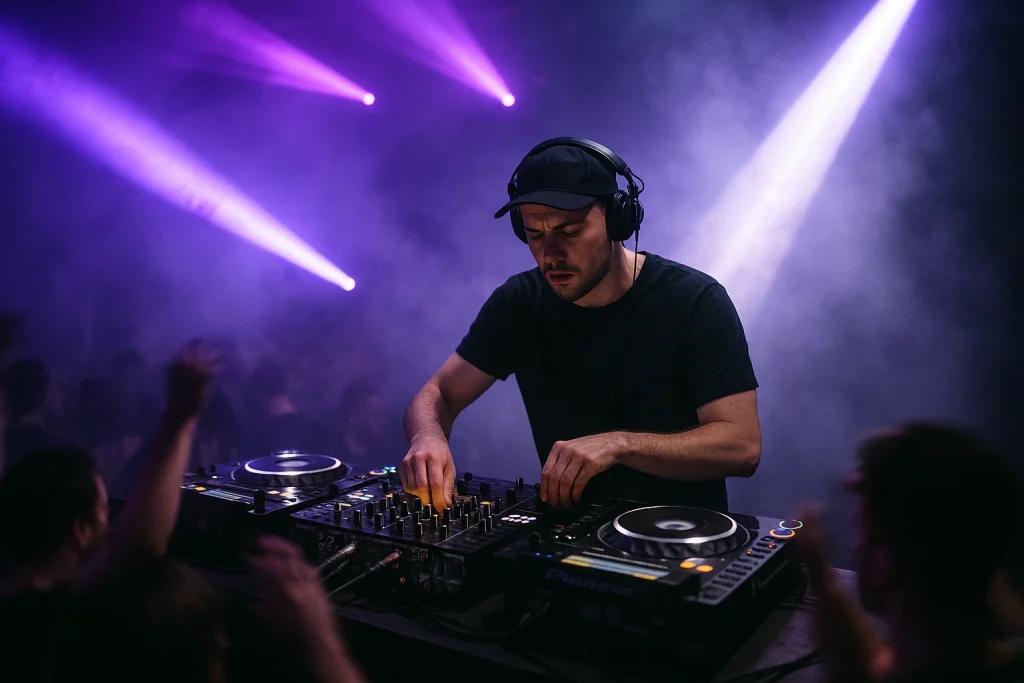
DJ pools are subscription-based services that provide DJs with the latest tracks, remixes, and edits. They serve as a bridge between record labels and DJs, ensuring that tracks reach the ears of audiences in clubs, events, and radio shows. The role of a DJ pool is to help maintain the exclusivity and freshness of a DJ’s set list while supporting artists by promoting their new releases.
Historically, DJ pools were physical networks where DJs would receive vinyl records for a fee. Today, they have evolved into digital platforms, such as BPM Supreme and Digital DJ Pool, where subscribers can download high-quality MP3 and WAV files.
Requirements for Joining a DJ Pool
While each DJ pool has its own criteria, there are common requirements prospective members should be prepared for. Generally, pools look for professional DJs who actively perform at clubs, events, or on radio platforms. This ensures that the music reaches a wide audience and reflects positively on the artists and labels involved.
Applicants typically need to provide a mix or demo reel showcasing their skills and style. Some pools might also require proof of regular gigs or a recommendation from an existing member. Being part of the DJ community, either through social media presence or through participation in industry events, can also be advantageous.
Application Process: Step-by-Step Guide
Applying to a DJ pool involves several steps, which can vary slightly depending on the pool. Here’s a general guide to help you navigate the process:
- Research: Identify DJ pools that cater to your music style. Consider factors such as cost, track availability, and the reputation of the pool within the industry.
- Prepare Your Portfolio: Compile a mix or demo that best represents your DJing style. Ensure it’s high-quality and showcases your unique sound.
- Gather Evidence of Gigs: Document your past performances, including venue names, dates, and any promotional materials that feature your name.
- Submit Application: Complete the application form on the DJ pool’s website. Be honest and detailed in your responses to increase your chances of approval.
- Follow Up: After submission, follow up with the pool to express your interest and professionalism. Patience is key, as responses can take time.
By following these steps, you increase your chances of being accepted into a DJ pool, thus gaining access to exclusive content that can enrich your performances.
Benefits of Joining a DJ Pool
Being part of a DJ pool offers numerous advantages. First and foremost, it grants access to exclusive tracks that are not available to the general public, giving you a competitive edge. This exclusivity is crucial for standing out in a saturated market.
Additionally, DJ pools often provide high-quality versions of tracks, including clean, extended, and instrumental versions, which are essential for creating seamless mixes. This is particularly beneficial for those looking to enhance their DJ set lists with unique edits and remixes.
Notable DJ Pools and Their Offerings
Some of the most recognized DJ pools in the industry include:
| DJ Pool | Monthly Fee | Genres Covered | Unique Features |
|---|---|---|---|
| BPM Supreme | $19.99 | All Genres | Video content, curated playlists |
| Digital DJ Pool | $14.99 | Hip-Hop, EDM | Charts, trending music |
| Direct Music Service (DMS) | $29.95 | Top 40, EDM, Hip-Hop | Exclusive remixes, mashups |
These pools are renowned for their vast libraries and exclusive content, making them ideal choices for DJs looking to expand their musical horizons.
Myths vs. Realities of DJ Pools
There are several misconceptions about DJ pools that need addressing. One common myth is that joining a DJ pool guarantees instant success and recognition. In reality, while access to exclusive music can enhance a DJ’s set, it is the DJ’s skill and creativity that ultimately determine success.
Another myth is that DJ pools are only for established DJs. While experience can be beneficial, many pools welcome emerging talents who show potential and a professional approach.
Leveraging DJ Pools to Enhance Your Career
Once you’re part of a DJ pool, it’s essential to leverage this resource to its fullest potential. Regularly update your library with the latest releases and experiment with different genres to diversify your sets. This approach not only keeps your performances fresh but also broadens your appeal to diverse audiences.
For those looking to expand their repertoire further, consider integrating exclusive tracks from services like exclusive tracks for DJs. These can complement your DJ pool offerings and help you craft a truly unique sound.
Frequently Asked Questions
What is a DJ pool?
A DJ pool is a subscription-based service that provides DJs with access to new music, including exclusive tracks, remixes, and edits. It bridges the gap between record labels and DJs, ensuring that music reaches a wide audience through live performances and broadcasts.
How do DJ pools support artists?
DJ pools support artists by promoting their music to a targeted audience of professional DJs, who then play the tracks at events, clubs, and on radio shows. This exposure can lead to increased recognition and sales for the artists.
Are DJ pools legal?
Yes, DJ pools operate legally by working directly with record labels and artists to distribute music. They ensure that tracks are shared with DJs in a way that respects copyright and supports the music industry.
Can beginner DJs join a DJ pool?
Yes, many DJ pools welcome beginners who demonstrate a professional attitude and potential. While some pools may prioritize established DJs, emerging talents with a strong application can also gain access.
How can I make the most of my DJ pool membership?
To maximize your DJ pool membership, regularly download new releases, experiment with different genres, and incorporate exclusive tracks into your sets. Stay active within the DJ community to increase your exposure and opportunities for gigs.
Last updated:
Stand Out From Every Other DJ
The DJs who get booked and remembered play music nobody else has. Commission exclusive ghost-produced tracks and edits made specifically for your sound.