
How to Design Bass Sounds – From Sub to Reese
How to Design Bass Sounds – From Sub to Reese
Creating bass sounds is an essential skill for any music producer, especially in the realm of electronic dance music. Whether you’re crafting deep sub-bass for a house track or a powerful Reese bass for drum and bass, understanding the fundamentals of bass synthesis can elevate your productions. In this guide, we’ll explore how to design bass sounds using various synthesis techniques, with real-world examples and expert insights.
Bass sounds can define not just the rhythm but the emotion of a track. From the subtle undertones of a sub-bass to the aggressive growl of a Reese, each type of bass plays a unique role. Notable producers like Noisia and Skrillex have mastered the art of bass design, making it a critical area of focus for aspiring producers. By the end of this article, you’ll have a roadmap to begin experimenting with and perfecting your bass sound design skills.
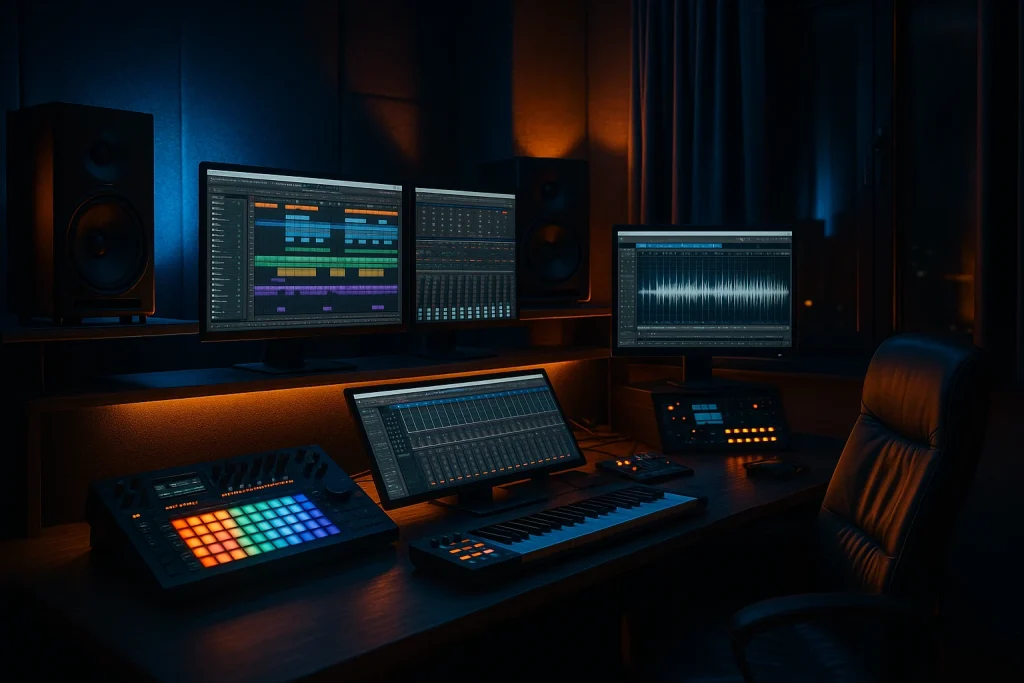
Whether you’re a seasoned producer or just starting, the ability to create compelling bass sounds is crucial. The journey begins with understanding the different types of bass sounds and the synthesis methods used to create them. This knowledge is not just theoretical; it has practical applications, as evidenced by the success of tracks across various electronic genres.
Understanding Bass Sound Types
Before diving into synthesis techniques, it’s essential to understand the different types of bass sounds commonly used in music production. These include sub-bass, mid-bass, Reese bass, and wobble bass, among others.
Sub-Bass
Sub-bass is the foundation of many tracks, providing the low-end power that listeners often feel rather than hear. The frequency range for sub-bass typically lies between 20Hz and 60Hz. Sub-bass is crucial in genres like house, techno, and dubstep. The key to a great sub-bass sound is clean, uncluttered tones that provide a powerful foundation without overwhelming the mix.
Reese Bass
The Reese bass, popularized by drum and bass producers, is characterized by its thick, detuned sound. It was first created by Kevin Saunderson in the late 1980s and has since become a staple in bass-heavy genres. The sound is typically achieved through detuning multiple sawtooth waves and applying modulation.
Wobble Bass
Wobble bass is synonymous with dubstep and is characterized by its rhythmic LFO modulation. This type of bass sound is achieved by modulating the filter cutoff of a bass sound with an LFO, creating a pulsating effect. Producers like Skrillex have popularized this sound, bringing it to mainstream audiences.
Essential Synthesis Techniques
Designing bass sounds involves a variety of synthesis techniques, each with its unique characteristics and applications. Let’s explore some of the most important methods.
Subtractive Synthesis
Subtractive synthesis is one of the most common methods used to create bass sounds. It involves generating a waveform, such as a sawtooth or square wave, and then removing frequencies using filters. This technique is ideal for creating classic bass sounds and is a staple in synthesizers like the Moog Minimoog and the Roland TB-303.
FM Synthesis
FM synthesis, or frequency modulation synthesis, creates complex waveforms by modulating one waveform with another. This technique is popular in digital synths like the Yamaha DX7 and can produce rich, metallic bass sounds. FM synthesis is versatile, allowing producers to create everything from deep sub-bass to aggressive mid-bass sounds.
Wavetable Synthesis
Wavetable synthesis uses pre-recorded waveforms that can be dynamically scanned to create evolving soundscapes. This technique is employed in synths like Xfer Serum and Native Instruments Massive. Wavetable synthesis is excellent for creating intricate bass sounds with movement and texture.
Tips for Crafting Unique Bass Sounds
Creating unique bass sounds is both an art and a science. Here are some tips to help you develop your signature bass sound.
Experiment with Layering
Layering different bass sounds can add depth and complexity to your bassline. Try combining a sub-bass with a mid-range bass to cover the full frequency spectrum. For more on this technique, check out our guide on how to layer sounds in music production.
Use Modulation
Modulation can bring bass sounds to life by adding movement and variation. Experiment with LFOs, envelopes, and automation to create evolving basslines. This technique is especially effective in genres like dubstep and drum and bass.
Apply Effects Sparingly
While effects like distortion and saturation can enhance a bass sound, they should be used judiciously to avoid muddying the mix. Our saturation guide offers insights on using this powerful effect effectively.
Case Studies: Notable Bass Sounds in Music
Let’s examine some iconic bass sounds that have defined genres and inspired producers worldwide.
Noisia’s Reese Bass
Noisia is renowned for their intricate bass designs, particularly their use of the Reese bass. Their track “Stigma” exemplifies the power and complexity of a well-crafted Reese bass, influencing countless drum and bass producers.
Skrillex’s Wobble Bass
Skrillex brought the wobble bass to the masses with his breakthrough track “Scary Monsters and Nice Sprites.” The aggressive, modulated basslines became a defining feature of the dubstep genre.
Tools and Resources for Bass Sound Design
Having the right tools is crucial for designing bass sounds. Here’s a look at some of the top synthesizers and resources available to producers today.
| Synthesizer | Type | Notable Features |
|---|---|---|
| Moog Sub 37 | Analog | Classic analog bass, intuitive layout |
| Xfer Serum | Wavetable | Advanced wavetable manipulation, versatile effects |
| Native Instruments Massive | Hybrid | Rich sound library, powerful modulation options |
| Yamaha DX7 | FM | Classic digital FM synthesis, unique sound |
For additional samples and sound design resources, platforms like Splice and MusicRadar offer extensive libraries and community collaboration opportunities.
Integration and Application in Your Music
Designing bass sounds is just one part of the production process. It’s crucial to integrate these sounds effectively into your tracks.
Mixing and Mastering
An expertly designed bass sound can still fall flat if not mixed properly. Understanding how to mix kick and bass is essential for achieving clarity and impact.
Live Performance Considerations
For DJs, the quality of bass sounds can significantly impact a live set. Ensure your bass tracks are prepared for live settings by testing them on various sound systems.
Frequently Asked Questions
What software is best for designing bass sounds?
There are several excellent options for designing bass sounds, including Xfer Serum for wavetable synthesis, Native Instruments Massive for hybrid synthesis, and Moog Sub 37 for analog sounds.
How can I make my bass sound more powerful?
To make your bass sound more powerful, focus on proper layering, EQing, and applying effects like compression and saturation judiciously. Consider checking out our gain staging guide for more tips.
Can I use samples for bass sounds?
Yes, samples can be an excellent starting point for bass sounds. Platforms like SoundCloud and Splice offer extensive libraries of bass samples.
What is the role of modulation in bass sound design?
Modulation adds movement and interest to bass sounds, making them more dynamic and engaging. Experiment with LFOs and envelopes to discover new textures and rhythms.
Where can I find professional assistance with bass sound design?
For those seeking professional help, consider hiring a ghost producer. The Ghost Production offers services where you can hire expert producers to assist with your music production needs.
Last updated:
Ready to Scale Your Music Output?
Release more music, hit more deadlines, and build a stronger catalog — with professional ghost production that sounds exactly like you.