
How to Build a DJ Set List
How to Build a DJ Set List
Creating a DJ set list is an art form that blends music selection, pacing, and audience engagement. It’s a skill that takes years to master and requires a deep understanding of music theory, crowd psychology, and technical DJ skills. Whether you’re spinning at a small club or headlining a major festival, knowing how to build a DJ set list that captivates and energizes your audience is crucial.
The foundation of a compelling DJ set lies in the seamless blending of tracks to create a cohesive musical journey. This involves curating tracks that complement each other, building energy levels strategically, and ensuring that every transition maintains the crowd’s interest. In 2026, the industry has evolved significantly, with technology and trends influencing how DJs approach set lists.
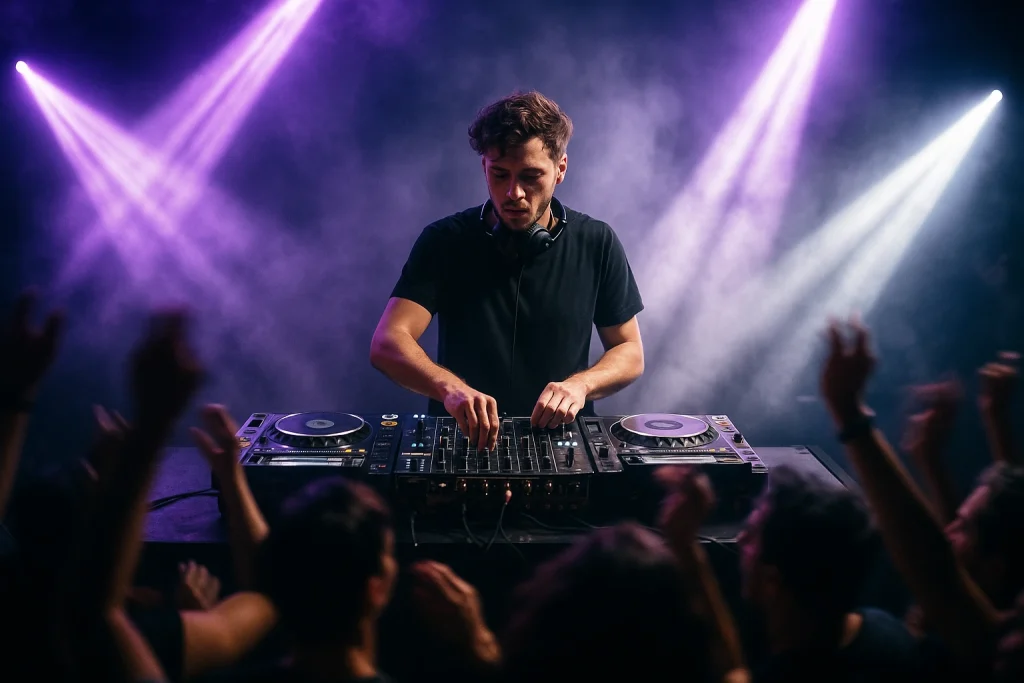
Recent data from Resident Advisor shows a significant shift in genre preferences over the past few years, with more DJs incorporating diverse styles into their sets. This trend towards eclecticism necessitates a more nuanced approach to set list construction, emphasizing the importance of adaptability and audience reading skills.
Understanding Your Audience
The first step in building an effective DJ set list is understanding your audience. Different venues and events attract different crowds, and what works for one group may not resonate with another. Consider the context: Are you playing at a festival, a nightclub, or a private event? Each setting requires a different approach.
Reading the Room
Being able to read the room is an essential skill for any DJ. This involves observing the crowd’s energy and adjusting your set list accordingly. If the energy is lagging, it might be time to drop a high-energy track to reignite the dance floor. Conversely, if the energy is too high too early, you might want to dial it back with a slower track to build anticipation for a bigger drop later.
Genre and Style Considerations
Genres like techno, house, and electronic dance music have their own unique qualities and audience expectations. Understanding these nuances is crucial. For instance, a techno set might slowly build through layering and extended mixes, while a house set could rely more on vocal hooks and rhythmic diversity.
Structuring Your Set
Structuring your set involves a balance between maintaining a steady flow and delivering unexpected surprises. A well-structured set typically follows an arc: starting with an introductory track, building momentum, reaching a peak, and then gradually bringing the energy down.
Energy Levels
Managing energy levels is crucial for maintaining audience engagement. An effective way to manage this is by categorizing your tracks based on their energy levels and arranging them to ensure a smooth progression. This approach allows you to control the crowd’s excitement and prevent burnout.
Track Selection and Transitions
Track selection directly impacts the flow of your set. Consider incorporating exclusive tracks to stand out. For those looking for unique music, Exclusive Tracks for DJs offers a selection of one-of-a-kind tracks that can elevate your set.
Incorporating Technology
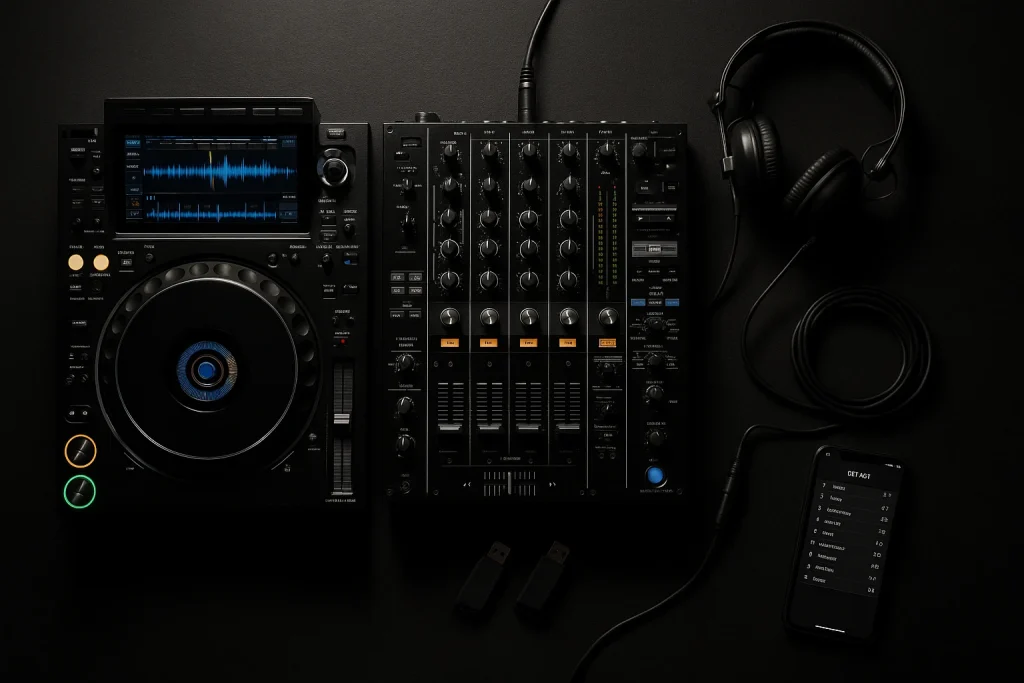
Technology plays a pivotal role in modern DJing. Tools like Beatport and Spotify for Artists provide DJs with extensive libraries and insights into trending tracks. These platforms are invaluable for discovering new music and keeping your set lists fresh.
Using DJ Software
Software like Rekordbox and Serato offer features that enhance set list creation, such as track analysis, cue point setting, and BPM syncing. Understanding how to export from Rekordbox to a USB for CDJ use is essential for seamless performance. Check out our guide on How to Export from Rekordbox for more details.
Sample and Loop Integration
Integrating samples and loops can add a dynamic layer to your performance. Platforms like Splice provide access to a vast library of samples that can be used to create custom edits and bootlegs, further personalizing your set.
Practicing Your Set
Practice is key to delivering a flawless performance. Regular practice sessions help you become familiar with your tracks, refine transitions, and perfect timing. This preparation allows you to adapt on the fly and respond to the audience’s energy.
Recording and Reviewing
Recording your practice sessions is an effective way to identify areas for improvement. Listening back allows you to critique your transitions, track selection, and overall flow.
Feedback and Adaptation
Seek feedback from peers and mentors. Constructive criticism can provide new perspectives and ideas that you might not have considered. Adaptation is crucial in an ever-evolving music landscape.
Building a Unique Identity
Standing out in the crowded DJ scene requires a unique musical identity. This can be achieved by incorporating custom tracks and exclusive music into your set. For DJs looking to define their brand, How to Stand Out as a DJ offers valuable insights.
Custom Production
Consider ordering custom tracks to tailor your set to your style. The Ghost Production offers Custom DJ Tracks, allowing DJs to order music specifically made for their sets, enhancing their uniqueness.
Branding and Promotion
Effective branding and promotion are essential for building your reputation. Utilize social media and other digital platforms to promote your sets and engage with your audience. Our DJ Social Media Tips guide offers strategies to grow your following and increase your visibility.
Statistics and Trends
| Genre | 2025 Popularity (%) | 2026 Projected Growth (%) |
|---|---|---|
| Techno | 35 | 5 |
| House | 30 | 8 |
| EDM | 20 | 3 |
| Drum & Bass | 15 | 6 |
According to DJ Mag, techno and house remain dominant genres, with a consistent increase in popularity. This data can inform your set list choices and help you stay ahead of trends.
Utilizing Ghost Production
Ghost production is an invaluable resource for DJs looking to enhance their set lists with unique tracks. The Ghost Production offers services for those needing Custom Tracks for Your Brand, ensuring you have exclusive content that sets you apart.
For those interested in purchasing exclusive tracks or hiring a ghost producer, consider our Buy Exclusive Ghost-Produced Tracks and Hire a Ghost Producer pages for more information.
Frequently Asked Questions
What is the best way to start a DJ set?
Begin with a track that sets the mood and gradually builds energy. This could be an instrumental track or something with a strong vocal hook to capture attention.
How many tracks should be in a one-hour set?
The number of tracks can vary, but typically a one-hour set contains between 12-20 tracks, depending on the length and tempo of each track.
How important are transitions in a DJ set?
Transitions are crucial for maintaining the flow and energy of a set. Smooth transitions keep the audience engaged and prevent awkward silences or mismatched beats.
Should I include my own productions in my set?
Including your own productions can help establish your unique sound and brand. It also provides exclusive content that audiences can’t hear elsewhere.
How can I keep my set list fresh?
Regularly update your music library and stay informed about new releases. Utilize platforms like SoundCloud and record pools to discover new music.
Last updated:
Stand Out From Every Other DJ
The DJs who get booked and remembered play music nobody else has. Commission exclusive ghost-produced tracks and edits made specifically for your sound.