
How to Become a Music Producer
How to Become a Music Producer
In 2026, the music production landscape is more vibrant and accessible than ever before. With advancements in digital technology and an unprecedented availability of resources, the path to becoming a music producer is open to anyone with the passion and dedication to pursue it. However, understanding the intricacies of this journey is essential. This article will provide a comprehensive guide on how to become a music producer, covering essential skills, equipment, industry insights, and actionable steps to launch your career.
Music production is not just about creating tracks; it’s about crafting sounds that resonate with audiences. From understanding the evolution of music production to mastering the technical skills and equipment needed, this guide will help you navigate the path with confidence. We’ll explore the roles of collaboration and ghost production, which have become integral components of the modern music industry.
Understanding the Role of a Music Producer
The music producer’s role has evolved significantly over the decades. Historically, producers like Quincy Jones and George Martin were pivotal in shaping the sound of iconic artists. In the 21st century, producers such as Calvin Harris and Diplo have become stars in their own right, often crossing over into performance roles. Understanding this evolution helps in appreciating the multifaceted nature of the profession today.
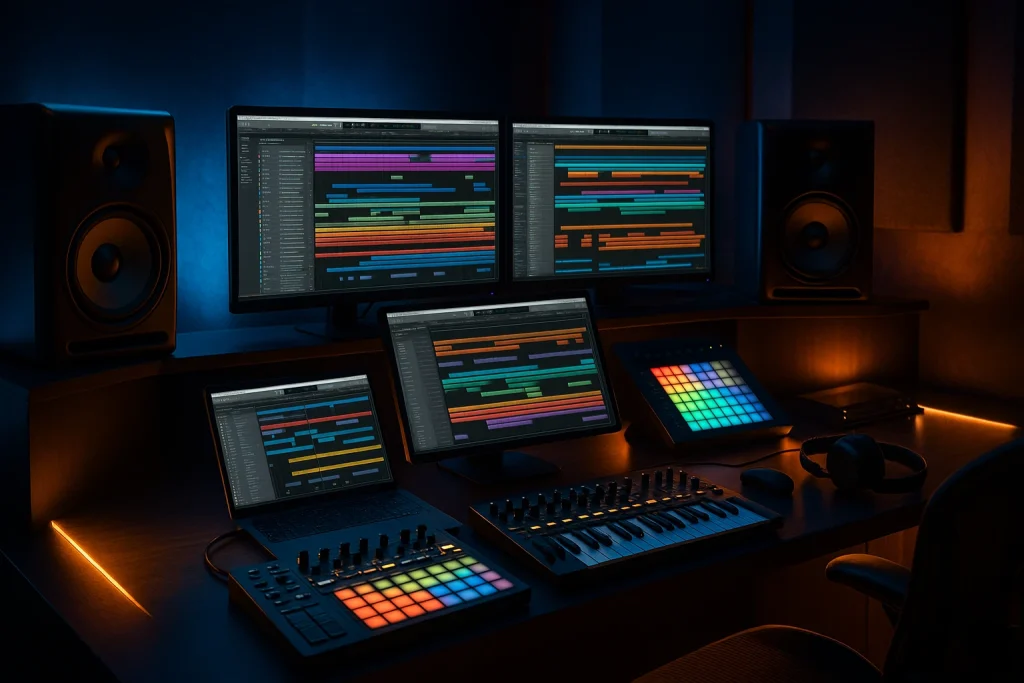
A music producer oversees the entire creative and technical process of recording and producing music. They work closely with artists, sound engineers, and other stakeholders to bring a musical vision to life. This involves everything from arranging and mixing tracks to mastering the final output. According to the electronic music scene, which continues to dominate global charts, having a nuanced understanding of music trends is crucial for producers aiming to succeed.
Essential Skills and Education
While formal education is not a prerequisite for a career in music production, acquiring the right skills is non-negotiable. Technical proficiency in digital audio workstations (DAWs) such as Ableton Live, Logic Pro, or FL Studio is essential. Each platform offers unique features, and producers often choose based on personal preference and workflow efficiency. Resources like Splice offer a variety of samples and plugins that can enhance production capabilities.
Beyond technical skills, interpersonal skills are equally important. Producers must communicate effectively with artists and collaborators to ensure that creative visions align. Critical listening, problem-solving, and the ability to adapt to different musical styles are also key attributes of a successful producer.
Essential Equipment for Music Production
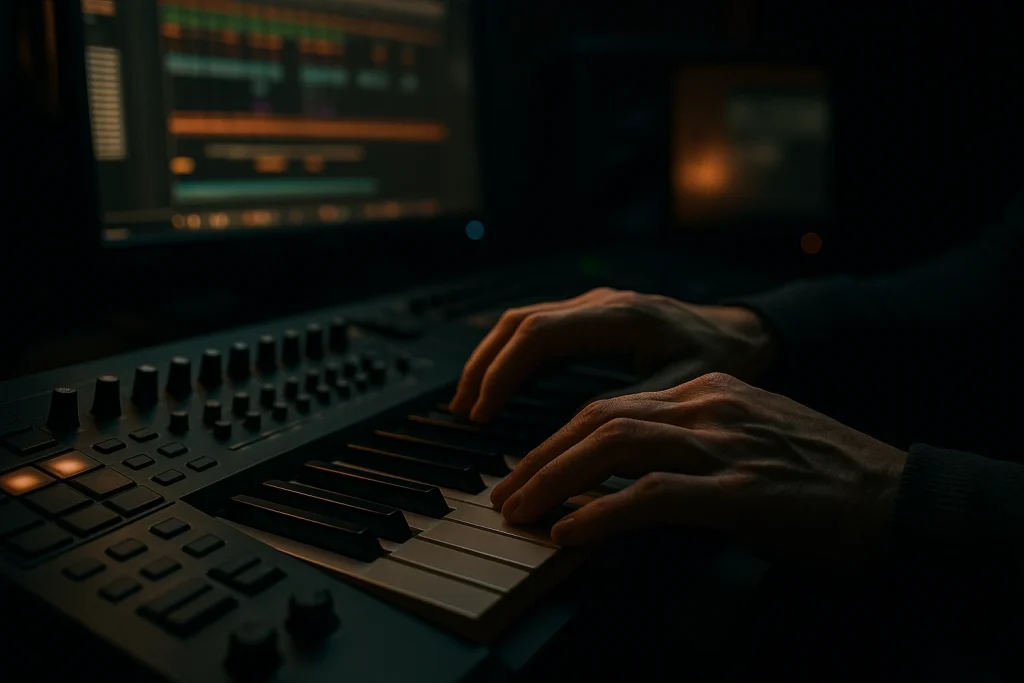
Investing in the right equipment is a foundational step in your journey as a music producer. While technology has democratized access to production tools, it’s important to have a setup that supports professional-quality output. The following table outlines essential equipment and their average costs in 2026, offering a comparative overview for beginners and professionals alike.
| Equipment | Description | Average Cost (USD) |
|---|---|---|
| Digital Audio Workstation (DAW) | Software for recording and editing audio | $200–$750 |
| Audio Interface | Hardware for input/output of audio signals | $100–$500 |
| Studio Monitors | Speakers designed for accurate sound reproduction | $300–$2,000 |
| MIDI Controller | Device to control music software | $100–$500 |
| Microphones | Used for recording vocals and instruments | $100–$1,000 |
Steps to Start Your Music Production Journey
Embarking on a music production career requires a strategic approach. Here are essential steps to guide you from a novice to a professional:
- Educate Yourself: Utilize online courses, tutorials, and resources to learn music theory and production techniques. Platforms like MusicRadar provide valuable insights and reviews.
- Build a Home Studio: Start small and gradually upgrade your equipment as your skills and budget grow. Refer to the equipment table above for guidance.
- Practice Regularly: Consistency is key. Spend time experimenting with different genres and sounds.
- Network: Engage with other producers and musicians through online communities and local meetups.
- Collaborate: Partner with other artists and producers. Collaborations can lead to creative breakthroughs and broaden your exposure.
For those interested in exploring the commercial side of music production, understanding the role of ghost producers can be crucial. Services like The Ghost Production offer insights into how ghost production can be leveraged for professional growth.
Collaboration and Ghost Production
Collaboration is a cornerstone of the music industry. As a producer, collaborating with other artists can enhance creativity and open doors to new opportunities. Ghost production, while sometimes controversial, is an integral part of the industry. Many successful tracks have been ghost-produced, allowing artists to maintain their signature sound while benefiting from the expertise of seasoned producers.
For those looking to expand their production capabilities, consider exploring options like ghost production for music producers. This approach can help manage workload and ensure a steady output of high-quality music.
Myths vs. Realities of Music Production
Entering the music production world can be daunting, especially with prevalent myths that might discourage aspiring producers. Here are some common misconceptions and the realities:
- Myth: You need expensive equipment to start.
Reality: While high-end gear can enhance production quality, many successful producers began with minimal setups. - Myth: You must be a musician.
Reality: While a background in music can be beneficial, many producers succeed through technical skills and creativity. - Myth: Success comes quickly.
Reality: Building a career in music production takes time, dedication, and perseverance. - Myth: Ghost production is unethical.
Reality: Ghost production is a legitimate and respected part of the industry, facilitating collaborations that benefit all parties involved.
By debunking these myths, producers can focus on developing their skills and exploring diverse opportunities within the industry. For those interested in learning more about ghost production, resources like How Ghost Production Works offer in-depth insights.
To further explore the business side of music production, including how to sell beats online or get signed by a label, leveraging platforms like The Ghost Production can provide valuable guidance.
Frequently Asked Questions
What is the best DAW for beginners?
Choosing the right DAW depends on personal preference and workflow needs. Popular choices for beginners include Ableton Live, FL Studio, and Logic Pro, each offering unique features suitable for different styles and genres.
How important is formal education in music production?
While formal education can provide a strong foundation, many successful producers are self-taught. Online resources, tutorials, and hands-on experience are often sufficient to build the necessary skills.
Can I become a music producer without playing an instrument?
Yes, many producers excel without traditional musical training. Technical skills, creativity, and a good ear for music are often more critical than instrumental proficiency.
How do ghost producers contribute to the music industry?
Ghost producers help artists maintain consistent output while allowing them to focus on branding and performance. This collaboration often results in high-quality music that supports both the artist and the producer’s careers.
What are some ways to scale music production output?
Outsourcing certain tasks, collaborating with other producers, and utilizing efficient workflow strategies can help scale production output. For more on this, exploring how to outsource music production offers practical solutions.
Last updated:
Ready to Scale Your Music Output?
Release more music, hit more deadlines, and build a stronger catalog — with professional ghost production that sounds exactly like you.