
How Long to Learn Music Production?
How Long to Learn Music Production?
Diving into the world of music production is an exhilarating journey that many aspiring producers and DJs are eager to embark upon. One of the most frequently asked questions in this realm is, “How long does it take to learn music production?” The answer is multifaceted, involving numerous elements such as the depth of knowledge desired, the time available for practice, and personal learning styles.
Many industry veterans assert that a basic understanding of music production concepts can be acquired in a few months, while mastering the craft to a professional level might take several years. This article will explore realistic timelines, the skills needed, and tips to accelerate your learning process, alongside industry insights and examples.
Historically, renowned producers like Deadmau5 and Skrillex spent years honing their craft before achieving mainstream success. With technology advancements, learning resources, and platforms like Splice and SoundCloud, the journey has become more accessible. However, the question remains: what is a realistic timeline for emerging producers today?
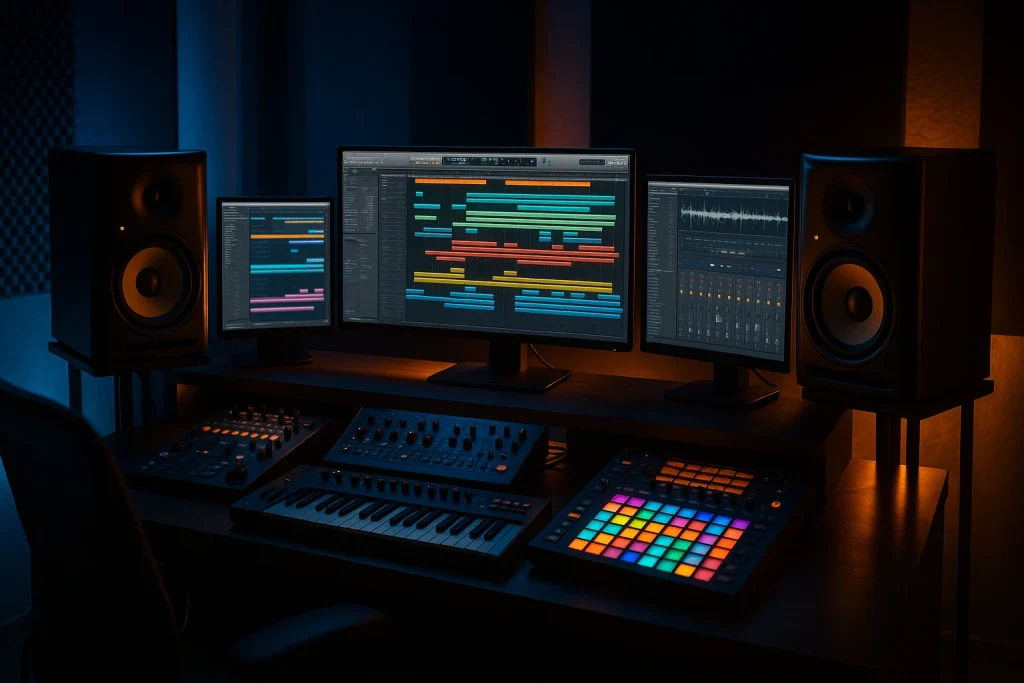
Understanding the Learning Curve
Music production involves several layers of skills, from basic concepts to advanced techniques. Here’s a breakdown of the typical learning curve:
Initial Learning (0–6 Months)
The first few months are dedicated to understanding the basics. This phase involves familiarizing oneself with a Digital Audio Workstation (DAW), learning about sound design, and grasping music theory essentials. Resources like Music Production Basics can be invaluable during this stage.
Intermediate Skills (6 Months–2 Years)
Once you’re comfortable with the basics, the next step is developing intermediate skills such as mixing, mastering, and arranging. This stage requires deliberate practice and continuous learning from platforms like MusicRadar and Mixmag.
Advanced Mastery (2–5+ Years)
Reaching a professional level often takes years of dedication. This phase involves perfecting your unique sound, understanding the intricacies of production, and possibly collaborating with other artists. Many producers seek guidance from ghost production services to refine their output during this period.
Factors Influencing Your Learning Timeline
Several factors can influence how quickly you learn music production:
- Time Commitment: The more time you dedicate to practice, the faster you’ll progress. A consistent daily practice routine is crucial.
- Learning Resources: Utilizing comprehensive resources like How to Produce Music and What Does a Music Producer Do? can speed up the learning curve significantly.
- Community and Networking: Engaging with communities on Resident Advisor or attending workshops can provide new insights and motivation.
- Technology and Tools: Access to high-quality equipment and software, such as those compared in Ableton vs FL Studio, can enhance your production skills swiftly.
Common Myths vs. Realities
When it comes to learning music production, several myths need debunking:
Myth: You Need Expensive Gear to Start
Reality: While high-end equipment can enhance quality, many successful producers started with minimal setups. Focus on mastering your DAW first.
Myth: Talent Is More Important Than Skill
Reality: While talent can be beneficial, the industry values skill and dedication. Consistent practice and learning yield results.
Myth: You Can Achieve Mastery Quickly
Reality: Professional-level expertise typically demands years of practice and learning from experiences and collaborations, such as those facilitated by Ghost Producer for Music Producers.
Historical Context and Industry Examples
The evolution of electronic music production dates back to the late 1960s with pioneers like Kraftwerk. Fast forward to the 1990s and 2000s, producers such as The Chemical Brothers and Daft Punk revolutionized the scene using emerging digital technologies.
Today, artists like Flume and Martin Garrix continue to innovate, inspiring new generations through platforms such as Beatport and Spotify for Artists. These platforms offer aspiring producers access to a plethora of tools and tracks, highlighting how technology shortens the learning curve.
Actionable Tips to Accelerate Learning
Here are some effective strategies to speed up your music production learning process:
- Set Clear Goals: Define what you want to achieve in both the short and long term. This helps maintain focus and direction.
- Engage with Online Courses: Platforms like Coursera and MasterClass offer structured music production courses led by industry experts.
- Practice Regularly: Consistency is key. Aim for daily practice sessions, even if brief, to steadily build your skills.
- Network with Other Producers: Join online forums, attend workshops, and engage with communities to gain new perspectives and feedback.
- Utilize Ghost Production Services: Consider outsourcing specific aspects of production to focus on learning and creativity, as detailed in Outsource Music Production.
How The Ghost Production Can Help
As you navigate your journey in music production, leveraging professional services like The Ghost Production can be beneficial. Whether you’re looking to hire a ghost producer or buy exclusive ghost-produced tracks, these services can help alleviate the pressure of creating high-quality music while you focus on learning and refining your skills.
Additionally, understanding how ghost production works can offer insights into industry practices and opportunities for collaboration, which are invaluable for emerging producers seeking to make their mark.
Frequently Asked Questions
How long does it typically take to learn music production?
While basic skills can be acquired in a few months, reaching a professional level may take several years, depending on dedication and resources used.
What tools are essential for a beginner in music production?
A reliable DAW such as Ableton or FL Studio, a good pair of headphones, and access to online learning resources are crucial for starting out.
Can I learn music production online?
Yes, numerous online platforms offer courses and tutorials that cover both basic and advanced music production techniques.
Is it necessary to understand music theory to produce music?
While not mandatory, a basic understanding of music theory can greatly enhance your production skills and creativity.
What role does The Ghost Production play in a producer’s growth?
The Ghost Production provides services like ghost production and track purchases, allowing producers to focus on learning and honing their craft while maintaining a steady output of high-quality music.
Last updated:
Ready to Scale Your Music Output?
Release more music, hit more deadlines, and build a stronger catalog — with professional ghost production that sounds exactly like you.