
How Long Does It Take to Learn to DJ?
How Long Does It Take to Learn to DJ?
For aspiring DJs, understanding how long it takes to learn to DJ is a crucial part of setting realistic goals and managing expectations. The timeline can vary greatly depending on several factors, including prior musical experience, the amount of time dedicated to practice, and access to resources like equipment and mentors. In this guide, we will explore a comprehensive approach to learning DJing, providing insights from seasoned professionals and industry trends in 2026.
Learning to DJ involves mastering both the technical and artistic aspects of the craft. According to data from Resident Advisor, the average beginner can expect to spend between 6 to 12 months to become proficient enough to perform live. However, this timeline can be shorter or longer based on individual circumstances. For instance, a music producer transitioning to DJing might find the process quicker due to their existing knowledge of music theory and production tools.
The Learning Curve: What to Expect
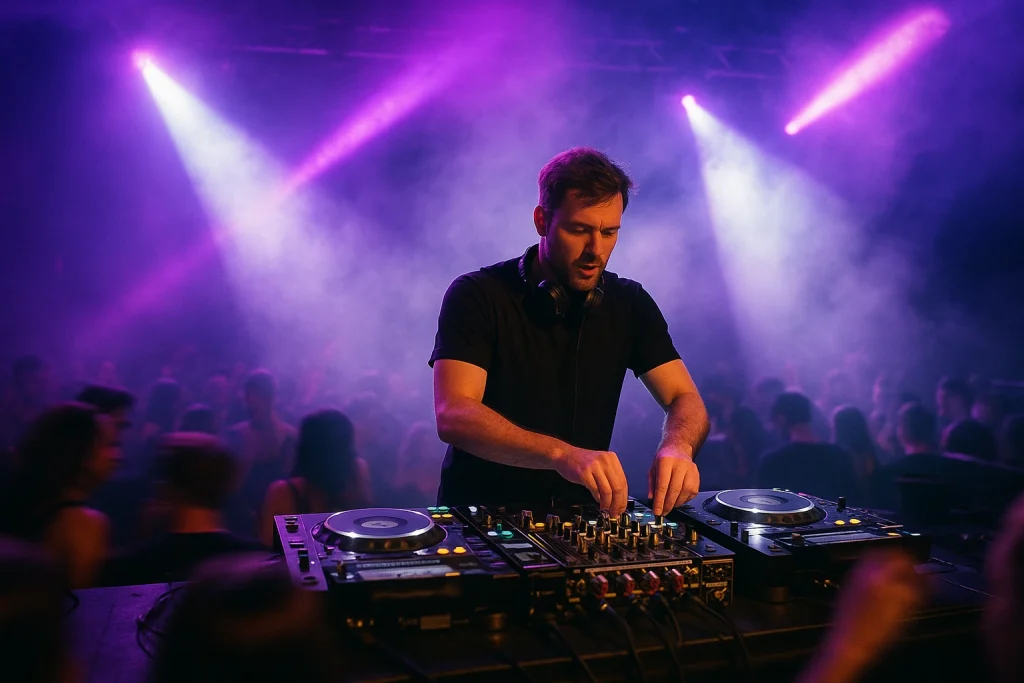
The learning curve in DJing is both steep and rewarding. Initially, beginners need to familiarize themselves with the equipment—whether it’s turntables, CDJs, or DJ controllers. This stage often involves understanding the basics of beatmatching, cueing tracks, and using EQ controls to blend sounds seamlessly.
Industry surveys suggest that most aspiring DJs spend their first three months focusing on equipment handling and basic mixing skills. As they progress, they start to explore more advanced techniques like harmonic mixing and using effects creatively. This is where resources like Mixmag and MusicRadar become invaluable, offering tutorials and tips from seasoned DJs.
For those looking to fast-track their DJ learning, enrolling in structured courses or workshops can provide a significant advantage. Platforms like DJ Mag often list reputable courses that can help learners accelerate their progress.
Practice Makes Perfect: Effective Strategies
Consistent practice is the backbone of mastering DJing. Industry veterans like Carl Cox and Nina Kraviz emphasize the importance of regular practice sessions, which should ideally be a mix of solo practice and live performance experiences. Solo practice allows DJs to experiment without pressure, while live performances offer real-world feedback that is crucial for growth.
To make practice more effective, aspiring DJs should set specific goals for each session. This could include mastering a particular transition technique or experimenting with a new genre. Moreover, recording practice sessions and listening back critically can help identify areas for improvement.
Equipment and Tools: What You Need
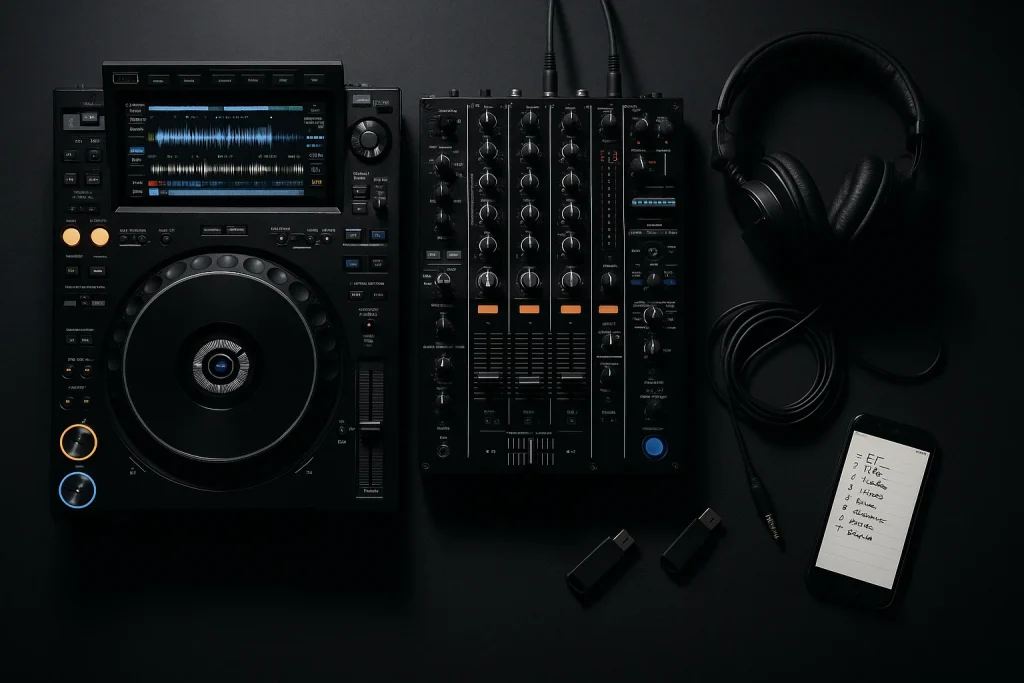
Choosing the right equipment is essential for any DJ. Beginners often start with entry-level gear like the Pioneer DDJ-400 or the Numark Mixtrack Pro FX. As skills develop, upgrading to professional setups like the Pioneer CDJ-3000 or Technics SL-1200 turntables becomes more relevant.
In addition to hardware, aspiring DJs should familiarize themselves with software tools like Serato DJ, Rekordbox, or Traktor. These platforms offer features that enhance creativity and are widely used in professional settings. MusicRadar offers a comprehensive comparison of these tools, highlighting their strengths and weaknesses.
Networking and Community Engagement
Building a network within the DJing community can significantly impact learning and career progression. Engaging with local music scenes, attending workshops, and participating in forums can provide valuable insights and mentorship opportunities.
Online platforms like SoundCloud also offer the chance to connect with a global audience. Sharing mixtapes and tracks on such platforms while actively engaging with other artists can foster collaborations and open doors to new opportunities.
Measuring Progress: Knowing When You’re Ready
Understanding when you’re ready to perform live is a common concern among beginners. The readiness to DJ live often depends on confidence, technical competency, and the ability to read and respond to a crowd. Feedback from peers and mentors can provide a reliable gauge of readiness.
For those unsure about their progress, documenting achievements and challenges can help visualize growth over time. Additionally, platforms like Spotify for Artists can offer insights into audience engagement and preferences, which is beneficial for adjusting setlists and styles.
From Learning to Professional: Making the Leap
Transitioning from learning to DJing professionally involves more than just technical skills. It’s about building a brand, marketing oneself, and understanding the business side of the music industry. Aspiring DJs can find resources on building brand identity and marketing strategies through The Ghost Production, which offers comprehensive guides on these topics.
Additionally, DJs looking to stand out might consider leveraging ghost production services to expand their musical repertoire. Services like Buy Exclusive Ghost-Produced Tracks or Hire a Ghost Producer allow DJs to incorporate unique tracks into their sets, enhancing their appeal and diversity.
Frequently Asked Questions
How long does it take to become a professional DJ?
The time it takes to become a professional DJ varies, but many reach this level within 2 to 3 years of consistent practice and networking.
What equipment do I need to start DJing?
Beginners should start with basic gear like a DJ controller and headphones. Popular models include the Pioneer DDJ-400 and Numark Mixtrack Pro FX.
Is formal training necessary to learn DJing?
While formal training isn’t necessary, it can accelerate learning. Many DJs learn through online tutorials, workshops, and community engagement.
Can I DJ without knowing music theory?
Yes, it’s possible to DJ without knowing music theory, but understanding it can enhance mixing skills and track selection.
How can I get more music for my DJ sets?
Platforms like The Ghost Production offer exclusive tracks and custom music services that can diversify your sets.
Last updated:
Stand Out From Every Other DJ
The DJs who get booked and remembered play music nobody else has. Commission exclusive ghost-produced tracks and edits made specifically for your sound.